

This post is intended as general guidance only. Individual outcomes vary. Your dentist will advise on what is right for your specific teeth and circumstances before any treatment begins.
Porcelain veneers are among the most frequently requested cosmetic treatments at our practice, and the question patients ask most consistently is how long they can expect them to last. It is a fair question, because veneer preparation involves removing a small amount of enamel, which does not regenerate. The tooth will always require a covering restoration from that point onwards, making this a decision worth approaching carefully.
The typical lifespan is 10 to 15 years. Clinical studies report 10-year survival rates above 90% for veneers bonded to enamel; outcomes beyond 15 years vary more widely. Some well-maintained veneers have been documented beyond 20 years, though the research notes that evidence at that range remains limited.
If you are still weighing up whether veneers are right for you, our guide on what dental veneers are and how they work is a good starting point. This post focuses specifically on longevity and care.
Porcelain Veneers vs Composite Veneers: Lifespan at a Glance
We offer both options at Birchgrove Dental, and we always start with a consultation to help you decide which suits your teeth, lifestyle and long-term goals.
| Porcelain Veneers | Composite Veneers | |
| Average lifespan | 10 to 15 years; up to 20 in some cases | Typically 5 to 7 years; varies with care |
| Stain resistance | Excellent | Moderate |
| Repair if chipped | Difficult (usually replaced) | Can often be repaired chair-side |
| Natural appearance | Very high | Good |
| Cost | Higher upfront | More affordable |
| Tooth preparation needed | Minimal enamel removal (irreversible) | Minimal to none |
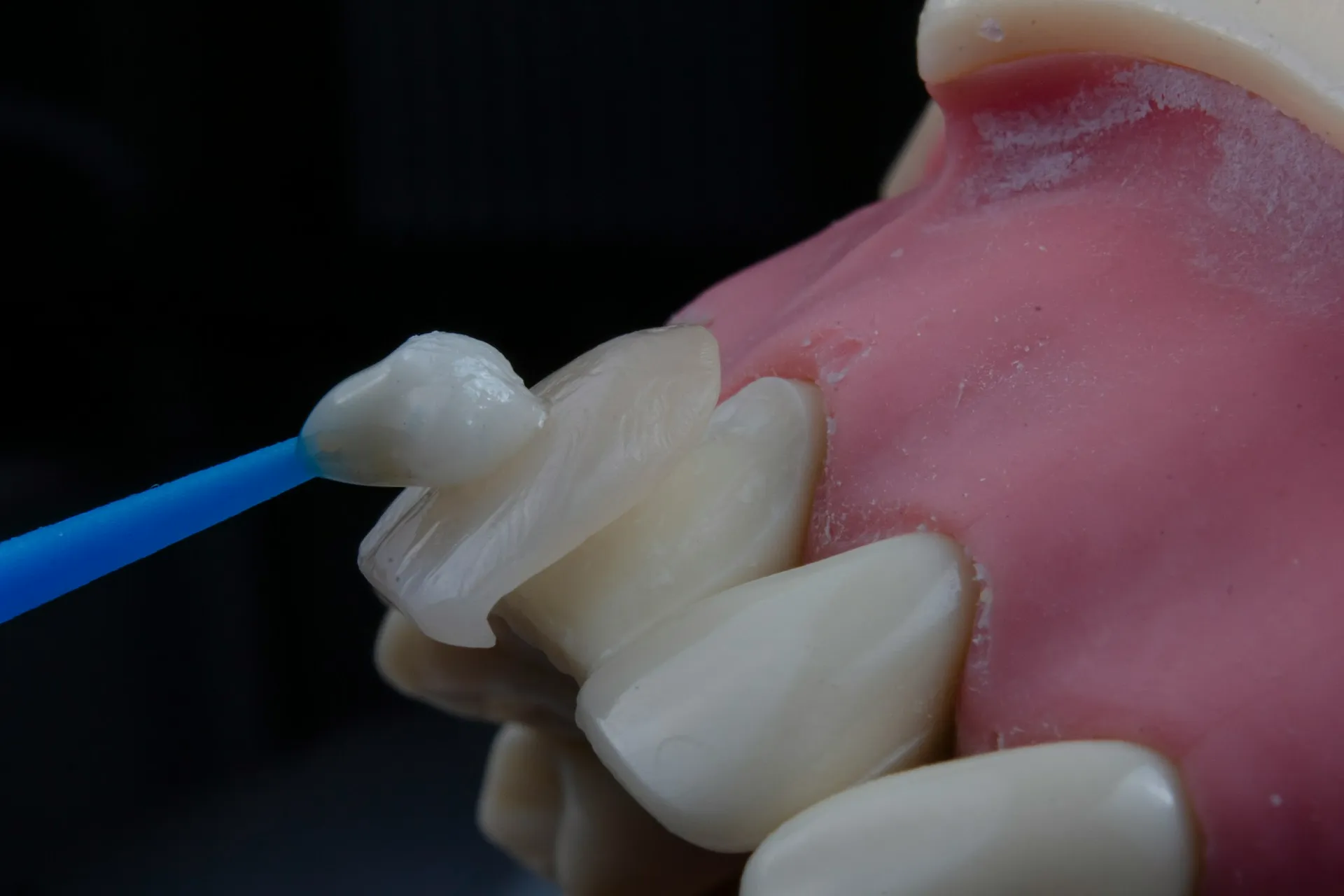
Porcelain veneers are made from dental ceramics, such as feldspathic porcelain or pressed materials like lithium disilicate, which transmit light in a way that closely mimics the translucency of natural enamel. The glazed, non-porous surface resists staining and wear far better than composite resin, which is why long-term survival rates consistently favour porcelain when bonding quality and oral hygiene are both good.
So, How Long Do Porcelain Veneers Last?
The evidence is reassuring, with important caveats about variability. A systematic review titled “Survival Rates for Porcelain Laminate Veneers”, drawing on 30 clinical studies spanning 1970 to 2020 and published on PubMed Central, found that most research reports 10-year survival rates above 90% for veneers bonded to enamel. The same review notes significant variation between studies and states that a conclusive estimate beyond 20 years is currently lacking.
What affects how long they last?
- The quality of the fit. A veneer bonded precisely to a well-prepared enamel surface is far less likely to debond or crack than one with uneven adhesive coverage.
- Your bite. Heavy or uneven biting forces, particularly from grinding (bruxism), are the most common clinical reason we see veneers fail early.
- The material and thickness. Ultra-thin veneers require an excellent bonding technique; thicker veneers tend to resist fracture better.
- Your oral hygiene routine. Porcelain itself does not decay, but secondary caries can develop at the veneer margins if hygiene is neglected, which is one of the documented clinical reasons for early failure. Gum recession can also expose the margin over time.
- Diet and lifestyle. Hard foods, nail-biting and using teeth as tools all place stresses that porcelain is not designed to handle.
The Habits That Protect Your Veneers
The habits are not complicated; what matters is that they become routine.
Daily oral hygiene
Step 1 is keeping the gums and underlying teeth healthy. Veneers cover the front surface, but the tooth and gum around it still need proper care.
- Brush twice daily with a soft-bristled toothbrush and non-abrasive fluoride toothpaste. Avoid gritty whitening pastes, which can scratch the glazed veneer surface.
- Floss once a day, paying close attention to the gumline around each veneer.
- Consider a fluoride mouthwash to protect the tooth structure behind and beneath the veneer.

The NHS guidance on looking after your teeth and gums covers the fundamentals that apply equally to veneered and natural teeth.
Watch what you bite
Porcelain resists compression well but can fracture under sudden impact. Cut hard foods into smaller pieces, avoid chewing on ice or pens, and do not use your teeth to open packaging.
Address grinding early
Bruxism is one of the biggest clinical threats to veneers. Possible signs include waking with a sore jaw, worn-down back teeth or headaches on rising, though these symptoms can have other causes. If you notice any of them, mention it at your next check-up rather than self-diagnosing; your dentist can assess whether a nightguard or other management is appropriate. We have written more about why people clench and grind their teeth, and the NHS overview of teeth grinding gives a plain-English summary of causes and management.
Be mindful of staining
Porcelain resists discolouration well, but the bonding cement at the margins can pick up staining from coffee, tea, red wine, and tobacco over the years. Rinsing with water afterwards and avoiding smoking will keep the margins looking clean for longer.
Regular Dental Visits: The Step Most People Underestimate
At check-up appointments, we examine bite force distribution, veneer margin integrity, and gum health around each veneered tooth. Small issues caught early can often be resolved without full replacement.
We recommend a professional clean with our hygiene team at least once a year. You can find out what a hygiene visit involves on our dental hygienist page.
Good placement sets the ceiling for how long your veneers last; daily care determines whether you reach it.
Signs Your Veneers May Need Attention
These signs are unlikely to require an emergency appointment, but if any symptom is accompanied by persistent pain or swelling, contact your dentist promptly rather than waiting for a routine visit:
- A veneer that feels loose or shows slight movement when you press on it
- A chip or crack in the veneer surface
- Sensitivity to hot or cold, which can signal that the margin has lifted, or the underlying tooth is exposed
- Visible darkening at the veneer edge
- Gum recession leaves the root or bonding line visible
Replacing Veneers: What to Expect
When a veneer reaches the end of its life, the old veneer is removed, the tooth is assessed, and a new one is fabricated and bonded in place. Because enamel removal at the original fitting is irreversible, the tooth will always need a covering restoration going forward. Replacement veneers tend to last just as long as the originals when the underlying tooth is in good condition.
In Summary
- How long do porcelain veneers last? Clinical studies report 10-year survival rates above 90%; average lifespan is typically 10 to 15 years, with some cases documented beyond 20 years.
- Porcelain outlasts composite in terms of stain resistance and longevity; composite veneers typically last 5 to 7 years.
- Veneer preparation is irreversible. A thorough consultation before treatment is essential, not optional.
- Secondary caries at the margins and bruxism are the two main clinical reasons for early failure.
- Soft-bristle brushing, daily flossing, and routine dental visits are the foundations of a long-lasting result.
- If persistent pain or swelling accompanies any veneer concern, seek prompt dental advice.
Thinking About Getting Veneers? Here Is What to Expect From Us
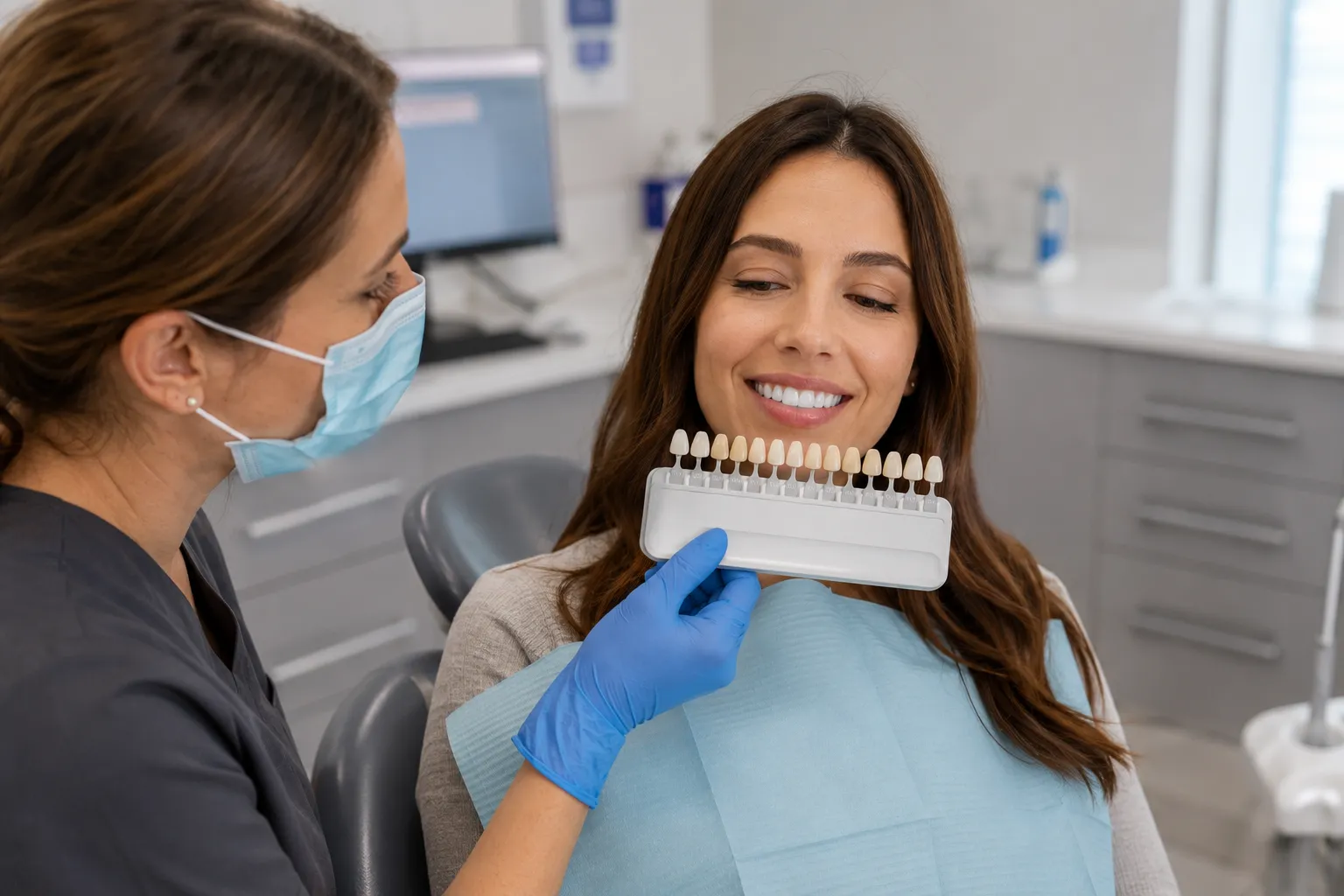
Before we prepare any tooth, we want to be certain that veneers are the right choice. You will meet with Dr Craig Lewis or Dr Marco Yang for a consultation. We examine your teeth, talk through the result you want, and go over the differences between porcelain and composite for your specific situation.
Veneers are not suitable for every case. If active gum disease, severe unmanaged grinding, or insufficient enamel makes them unsuitable, we will say so and discuss alternatives, whether that is composite bonding, orthodontics, or another route. With over 10 years of practice and 288 five-star Google reviews, our approach has always been to recommend what is right rather than what is easiest to sell.
The process takes two appointments: the first for tooth preparation and temporary veneers, the second for the fitting of your permanent veneers, custom-made to match the shape and translucency of your natural enamel.
We offer interest-free finance options to help make treatment more manageable. Terms, eligibility and full details are on our finance page. For an overview of costs, our dental prices page has full details.
Birchgrove Dental is registered with the General Dental Council (GDC). All treatment is carried out in line with GDC standards for patient consent, safety and clinical care.
Ready to find out more? Visit our dental veneers page to explore the treatment, see before-and-after results from our smile gallery, and book a consultation.