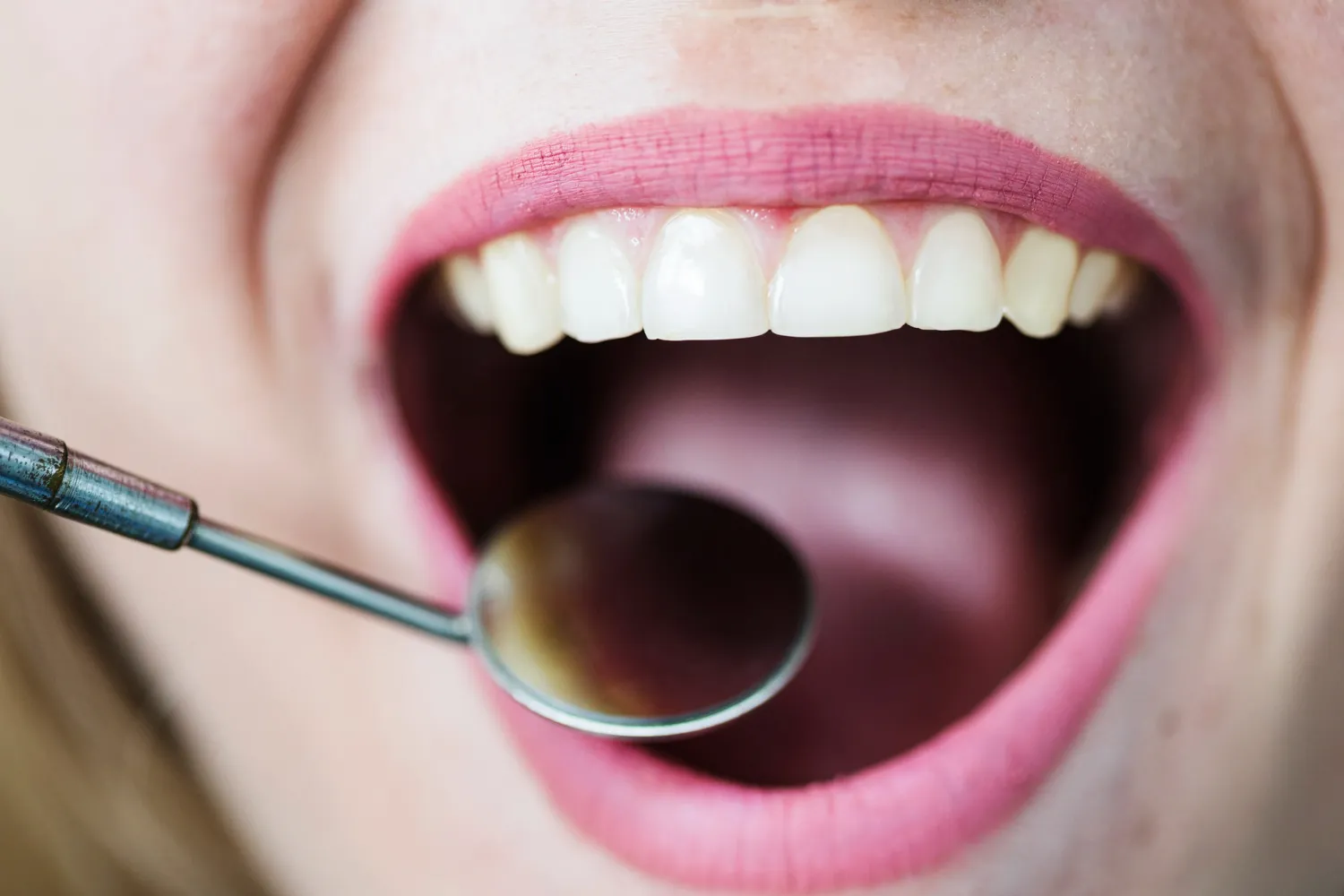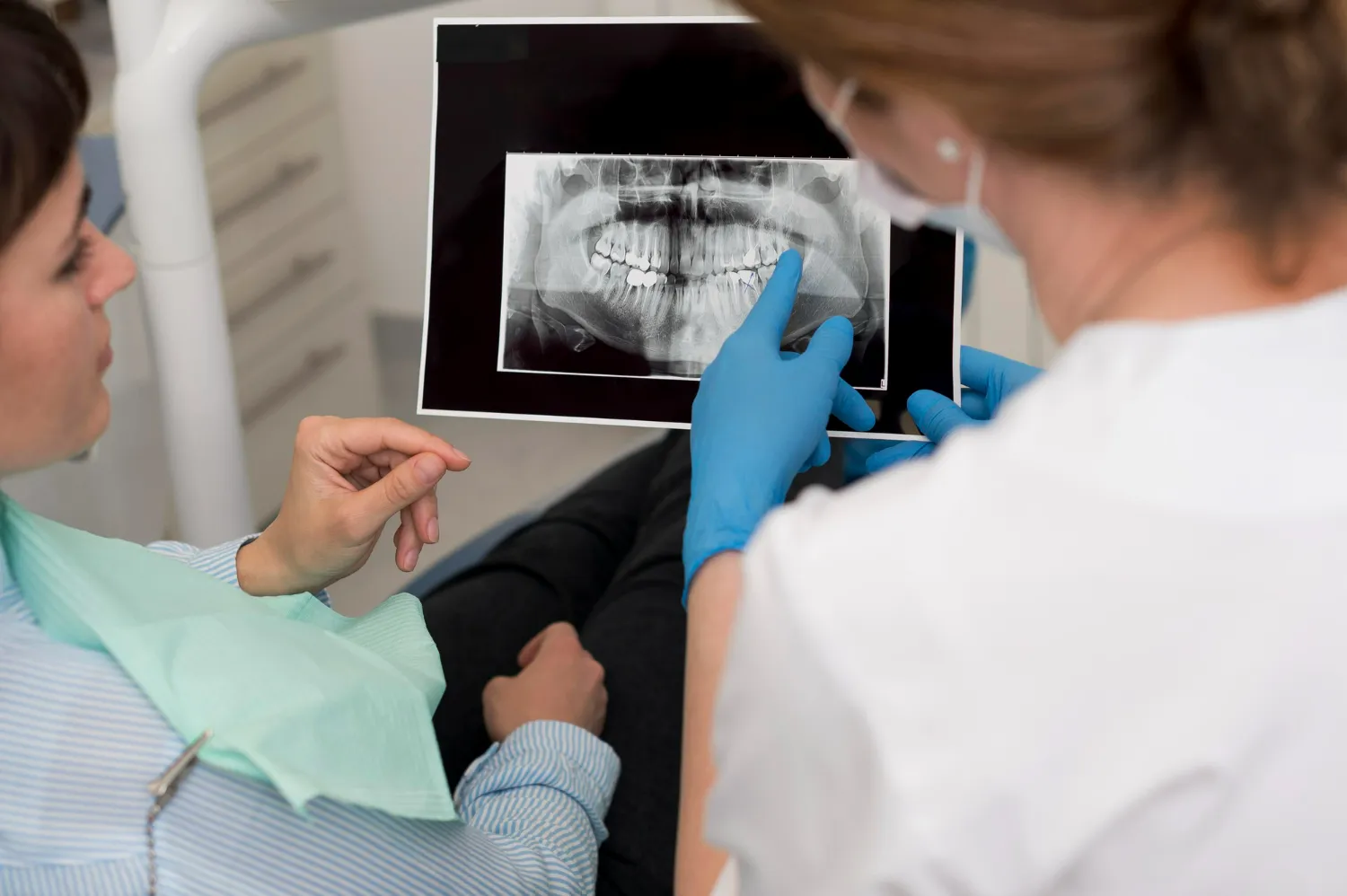


When people search for how to fix a cracked tooth naturally, they are usually hoping for a quick home remedy that will repair the damage and settle the pain. The most important thing to know is this. A cracked tooth does not usually heal naturally in the way a cut or graze might. Once the tooth structure is damaged, it should be assessed by a dentist to work out whether it can be protected, repaired, or, in more severe cases, removed.
Home care can still play a useful short-term role. There are sensible steps that may help reduce discomfort, protect the tooth from further stress, and keep the area cleaner until you can be seen. What matters is understanding the difference between symptom relief and actual repair. Home care may help you manage the symptoms for a short time, but it does not mend the crack.
Can a cracked tooth heal naturally?
In simple terms, not usually. A cracked tooth cannot knit itself back together. That is why it is risky to rely on salt water, clove oil, or online remedies as though they can repair the tooth. Some home measures may soothe the area briefly, but they do not repair the tooth structure or reliably prevent the crack from worsening.
Because the pain may come and go, cracked teeth can be easy to underestimate. A small crack may worsen over time, especially if the tooth continues to be stressed during normal biting and chewing. The NHS guide to chipped, broken or cracked teeth makes the point clearly. If you have chipped, broken, or cracked a tooth, you should arrange to see a dentist.
What you can do at home while waiting for an appointment
If you are dealing with a cracked tooth, the safest home care is about protection and short-term relief.

Rinse gently with warm salt water
A mild salt-water rinse may help keep the mouth clean and soothe irritated tissues around the tooth. It will not repair the crack, but it can be a reasonable temporary step if the area feels tender.
Stick to soft foods
It can help to choose foods that put less pressure on the teeth. Soup, yoghurt, eggs, pasta, soft vegetables, and mashed foods are usually easier to manage than crusty bread, nuts, hard sweets, or chewy foods. Try to chew on the other side if you can.
Avoid very hot, very cold, or very sweet foods
Cracked teeth can become more sensitive to temperature and sugar. Avoiding those triggers may help settle symptoms until you can be seen. If sensitivity is already something you struggle with, our guide to dealing with sensitive teeth explains some of the common causes and ways to manage them.
Keep the area clean
Try to keep the area clean with gentle brushing if that feels comfortable. Good oral hygiene will not fix the crack, but it may reduce plaque build-up and irritation around the area.
Use a cold compress if there is swelling
A cold compress held against the outside of the face may help if there is swelling or soreness.
Consider appropriate pain relief
If appropriate for you, over-the-counter pain relief may help, used according to the packet instructions or advice from a pharmacist. This may ease discomfort, but it does not deal with the crack itself.
What not to do with a cracked tooth
This part is just as important as the first-aid steps.
- Do not assume the pain will pass and the tooth will settle permanently
- Do not bite down on the cracked side to test it
- Do not chew ice, hard sweets, popcorn kernels, or crunchy foods
- Do not use DIY glues or household products in the mouth
- Do not rely on home remedies as a substitute for dental care
- Do not ignore swelling, severe pain, or a crack that seems to be worsening
Cracked teeth are not always easy to identify without closer examination. Some people report pain when biting, pain when releasing the bite, or sensitivity that comes and goes. The Oral Health Foundation’s information on cracked teeth notes that symptoms can vary, which is one reason these problems are easy to misjudge.
Signs your cracked tooth needs prompt care
Some cracks are minor, and some are not. It is worth seeking prompt advice if you have:
- pain when chewing
- sensitivity to hot or cold that lingers
- a visible crack or chipped edge
- swelling around the tooth or gum
- pain that comes and goes without a clear reason
- a tooth that feels sharp, rough, or unstable
Some people with cracked teeth report pain when biting or when releasing the bite. If the tooth is badly broken, very painful, or part of a wider injury, it may be more urgent. Our page on dental emergencies and when to see a dentist immediately explains the warning signs that should not be ignored.
How dentists usually fix a cracked tooth
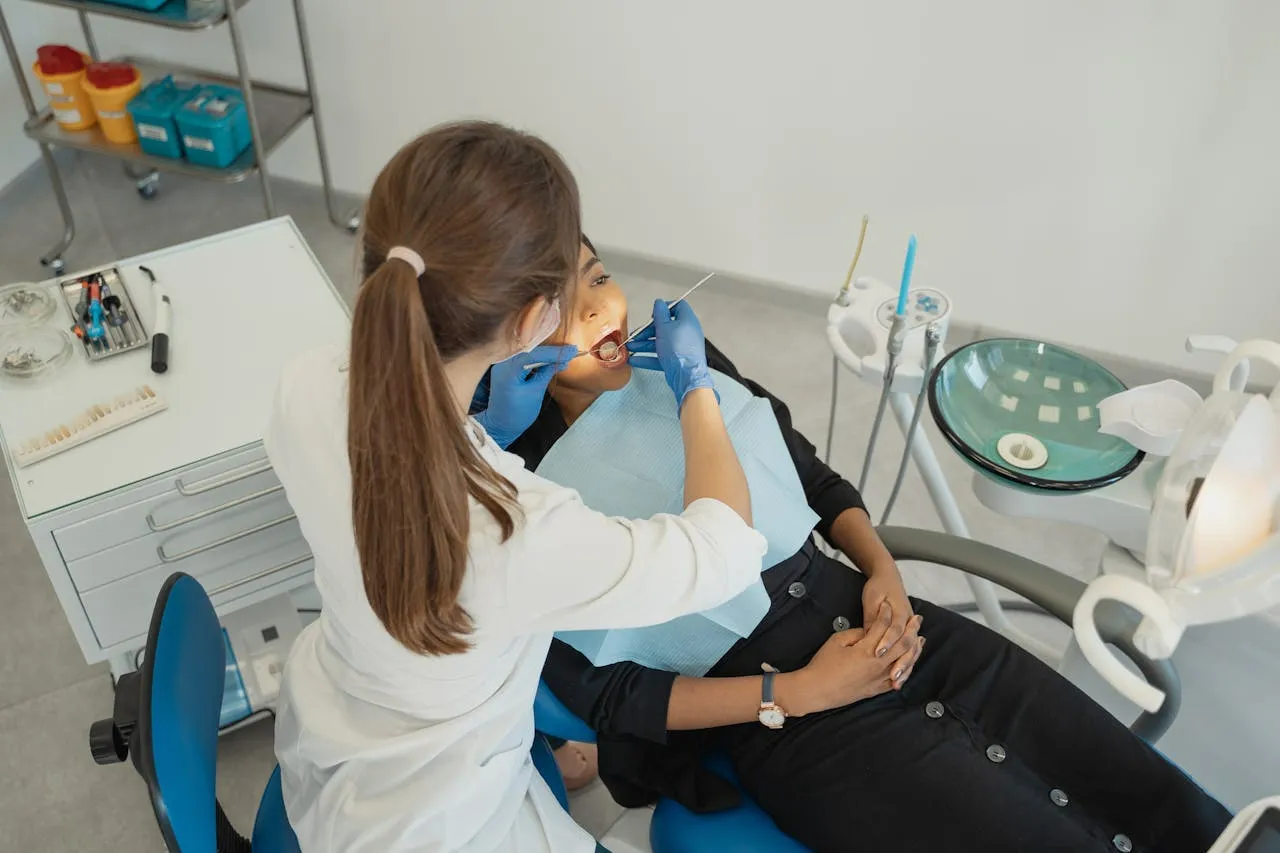
The right treatment depends on how deep the crack is, where it is located, and whether the nerve has been affected. Cracked teeth can present in different ways, which is why an assessment matters.
Smoothing or minor bonding
If the crack is very small or the edge is rough, the tooth may only need smoothing or a minor repair. In some cases, bonding can help restore the shape and protect the area.
Filling
Where the damage is more like a small fracture or localised break, a filling may be enough to restore the tooth.
Crown
If the tooth needs more support, a crown is often used to protect it and reduce the chance of the crack worsening. Guidance from the American Association of Endodontists on cracked teeth explains that crowns are commonly used where a cracked tooth needs extra protection.
Root canal treatment
If the crack has affected the nerve or led to more persistent pain, root canal treatment may be needed before the tooth can be restored.
Extraction
If the crack is too severe, or the tooth has split in a way that cannot be predictably repaired, extraction may sometimes be the most appropriate option.
At Birchgrove Dental, we explain this in practical terms in our article on how a dentist can fix a broken tooth. The key point is that treatment varies from case to case.
Can natural remedies help at all?
They can help with comfort, but not with repair.
| Home measure | What it may do | What it will not do |
| Warm salt-water rinse | Soothe tissues and help keep the area clean | Heal or seal the crack |
| Soft foods | Reduce pressure on the tooth | Restore tooth structure |
| Cold compress | Reduce swelling and discomfort | Treat the cause |
| Pain relief | Ease discomfort temporarily | Repair the damage |
| Avoiding triggers | Prevent irritation | Remove the crack |
The important distinction is this. Symptom relief and repair are not the same thing.
How to stop a cracked tooth from getting worse
While you are waiting to be seen, focus on reducing pressure and irritation.
Step 1: Avoid chewing on that side
Even light chewing can make a cracked tooth more uncomfortable and may stress the damaged area.
Step 2: Keep foods soft and simple
For now, it is best to avoid foods that are hard, crunchy, sticky, or difficult to chew.
Step 3: Keep the tooth clean
Gentle brushing matters. Plaque around a damaged tooth can make the area feel worse and increase irritation.
Step 4: Arrange a dental appointment promptly
Early assessment may make it easier to manage the problem before the damage becomes more extensive.
Step 5: Get the tooth assessed before the crack worsens
A cracked tooth often needs more than temporary pain relief. While home care may help you stay comfortable for a short time, it will not repair the damage or stop the crack from deepening.
If the crack is painful, worsening, or affecting how you bite, our emergency dentist can help you get the tooth examined promptly. We can assess the damage, explain whether the tooth may need bonding, a filling, a crown, or another form of treatment, and help you understand the most appropriate next step.
In summary
So, how to fix a cracked tooth naturally? Strictly speaking, you cannot fix it naturally. A cracked tooth will not heal on its own, and home remedies do not repair the damage. What you can do is manage discomfort sensibly, avoid making the crack worse, and seek proper treatment before the problem becomes more complicated.
Warm salt-water rinses, soft foods, avoiding temperature extremes, and gentle cleaning may help in the short term. But if you have a cracked tooth, the safest next step is a professional assessment.
This article is intended as general oral health information and does not replace personalised dental advice, diagnosis, or treatment. If you have severe pain, swelling, persistent sensitivity, difficulty biting, signs of infection, or a badly broken tooth, you should seek advice from a qualified dental professional as soon as possible.