

Flossing is often seen as something for older children, once adult teeth are fully in place. In reality, cleaning between teeth can matter much earlier, particularly when teeth start sitting close together.
A common question parents ask us is not whether flossing is important, but when it actually needs to start. What helps most is understanding the right trigger point, keeping expectations realistic, and building a routine that feels manageable rather than stressful.
Why brushing does not always clean between teeth
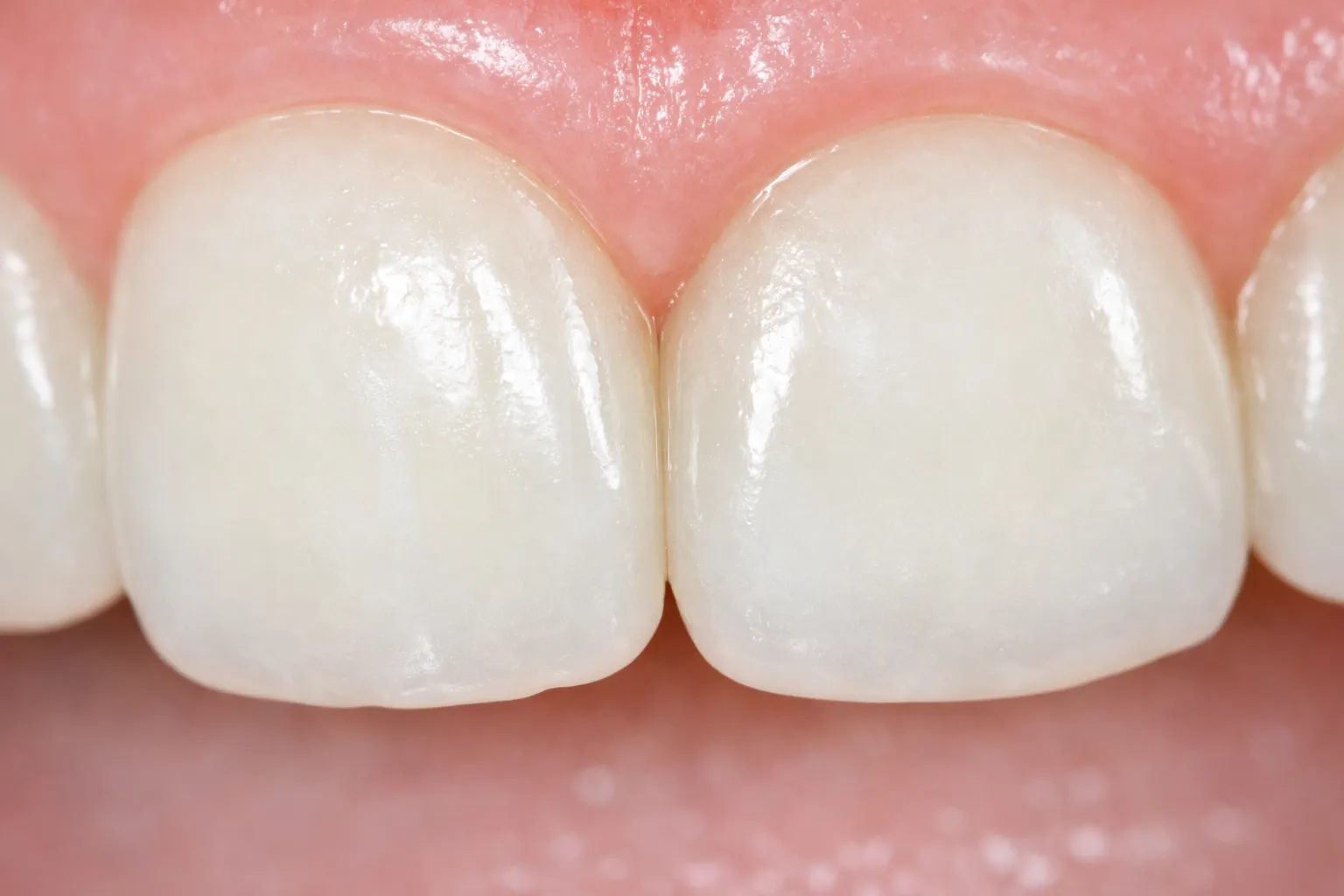
Toothbrushing is essential, but it does not reliably clean the sides of teeth once they touch. Plaque is a sticky film of bacteria that builds up on teeth, especially in areas where toothbrush bristles struggle to reach.
In children, these areas can be more vulnerable because:
- Baby teeth have thinner enamel
- Teeth can crowd as they develop
- Brushing skills are still improving
- Frequent snacking can increase plaque activity
The NHS guidance on taking care of children’s teeth emphasises early prevention. Once teeth are touching, cleaning between them becomes part of that prevention.
When should children start flossing?
A practical rule of thumb
Flossing becomes useful once two teeth touch, because a toothbrush cannot reliably clean the contact point between them. Age is less important than tooth position.
Some children develop contact points by the age of two or three. Others may not need flossing until later. If teeth are spaced apart, brushing may be enough for a while. Once they touch, plaque can sit undisturbed unless it is cleaned away.
A simple stage guide
- Before teeth touch: Brush twice daily and focus on diet habits
- Once teeth touch: Clean between those contact points once a day
- As more contacts form: Expand to other tight areas
- From around age 7 to 8: Children can practise with close supervision
This guidance is general. The best routine depends on tooth spacing, decay risk, and your child’s confidence with cleaning.
For a wider routine covering brushing, toothpaste choices, and age-based care, see our guide on how to look after your child’s teeth.
Who should do the flossing?
Most young children do not yet have the coordination to floss effectively. They may manage the movement, but miss plaque at the back of the mouth, where problems are more likely to start.
Parent-led flossing
For many children, an adult will need to do most of the flossing until around age seven or eight, depending on coordination and tooth spacing. This is similar to learning to tie shoelaces. Practice helps, but supervision matters.
Shared responsibility
A realistic transition often looks like this:
- Your child practises on the front teeth
- You clean the back contact points
- The routine stays gentle and brief
- Effort is praised, not perfection
We often see children manage front teeth first, while parents take over the tighter back contacts.
Independent flossing
Many children can floss more independently between 8 and 10, although some need longer support, particularly if teeth are crowded or braces are present. The aim is consistent, effective cleaning rather than hitting a specific age.
What should children use to floss?
There is no single best option. The right choice is the one that works consistently and comfortably.
| Option | Best suited to | Why it helps |
| Floss picks | Younger children | Easier grip and quicker routine |
| String floss | Older children | Better control with practice |
| Floss tape | Tight contacts | Often gentler on gums |
| Interdental brushes | Older teens | Useful where space allows |
For many families, floss picks are the easiest place to start. For very tight contacts, floss tape used gently may feel more comfortable than a thin string.
How often should children floss?
If flossing is appropriate for your child, once a day is a common goal. Evening is often easiest, as it removes plaque and trapped debris before sleep, when saliva flow naturally reduces.
If daily feels difficult at first, start with the tightest contact points and build up gradually. Consistency matters more than doing every tooth perfectly.
How to floss a child’s teeth safely

Technique matters, but it does not need to be complicated.
Step-by-step approach
- Use a clean floss pick or a fresh section of floss
- Slide gently between the teeth, avoid snapping
- Curve the floss against one tooth
- Move up and down to wipe plaque away
- Repeat on the neighbouring tooth
- Move to the next contact
What about bleeding gums?
Mild bleeding can occur when gums are inflamed and not used to interdental cleaning. With gentle daily cleaning, this can improve. If bleeding lasts more than a week, becomes painful, or is accompanied by swelling or discharge, book a dental review. Seek urgent advice if there is facial swelling, fever, or significant pain.
Does flossing actually help?
Interdental cleaning works best when it is done properly and consistently. Results vary because technique and frequency vary.
A Cochrane review on the home use of devices for cleaning between the teeth suggests that cleaning between teeth alongside brushing can reduce gum inflammation for some people, while noting that benefits depend on the method used.
UK prevention guidance in Delivering Better Oral Health, Chapter 8: oral hygiene, also highlights that different interdental aids suit different mouths.
In practical terms, interdental cleaning can support gum health, but the best method is one that fits your child’s mouth and your routine.
What happens if children do not floss?
Problems do not usually appear overnight. Instead, plaque builds gradually in areas that brushing misses.
Over time, this may lead to:
- Decay between teeth that is harder to detect early
- Bleeding or tender gums
- Persistent bad breath
- Earlier need for fillings
Baby teeth matter. Decay can affect comfort, eating, and sleep, and may be associated with a higher risk of future dental problems. Flossing is not a guarantee against cavities, but it helps reduce plaque where brushes cannot reach.
Flossing with braces
Braces and fixed appliances make cleaning more challenging. Food and plaque can collect easily around wires and brackets.
Helpful tools may include floss threaders or orthodontic floss. The most suitable option depends on the appliance and spacing, so professional advice is helpful.
When to ask for professional advice
Consider seeking support if:
- Gums bleed regularly despite gentle cleaning
- Teeth are very tightly packed
- Your child finds flossing painful
- There is a history of decay between teeth
Our dental hygienist can demonstrate practical techniques and recommend suitable tools, helping reduce the risk of between-tooth decay and support gum health.
If you are unsure what support your child needs, you can contact us, and we will guide you.
The key takeaway
The key takeaway is that children should start cleaning between teeth when their teeth touch, not at a specific age.
At first, flossing is usually a parent’s role. Over time, children can practise with supervision until they can clean effectively on their own. A calm, consistent routine is far more effective than chasing perfection.
This article provides general information only and does not replace personalised dental advice. Your child’s dentist can assess spacing, decay risk, and gum health to recommend the most appropriate routine.