

Tooth wear is one of those issues we often spot before patients feel anything is wrong. Teeth can look “fine” day to day, then you notice they seem shorter, rougher at the edges, or suddenly sensitive to cold. That slow change is exactly why tooth wear deserves attention early.
The key takeaway is this: tooth wear is common, but ongoing tooth wear is not something to ignore. When we identify what is driving it, we can usually stabilise the condition and protect your teeth, often with very conservative treatment.
What we mean by tooth wear
Tooth wear is the gradual loss of tooth structure through non-decay processes. It typically starts in the enamel and, if it progresses, can expose dentine underneath. Dentine is softer and more sensitive, which is why tooth wear can lead to discomfort, chipping, and changes in how your teeth look.
Tooth wear is usually not caused by one thing. In most cases, we see it is a combination of acids, habits, and bite forces acting over time.
The three main causes of tooth wear
Dental erosion (acid-related wear)
Erosion happens when acids soften enamel, making it more vulnerable to everyday forces such as chewing and brushing. Acids can come from the diet or from internal sources such as reflux.
The UK government’s evidence-based guidance in the Delivering Better Oral Health prevention toolkit highlights that frequency matters, especially when acidic drinks are sipped slowly across the day rather than taken with meals.
Common contributors include:
- Fizzy drinks, sports drinks, citrus, and vinegar-based foods
- “Healthy” habits that still deliver frequent acid exposure, like constant lemon water
- Reflux symptoms such as heartburn, sour taste, or waking with a dry mouth
Attrition (grinding or clenching)
Attrition is wear caused by teeth rubbing against each other, often due to grinding or clenching. Many people are unaware they do it, particularly during sleep.
In practice, we often see:
- Flattened biting edges
- Small chips along the front teeth
- Jaw tightness or headaches on waking
- Teeth that look shorter over time
Abrasion (mechanical wear)
Abrasion is wear caused by external mechanical forces. Most commonly, it is linked to brushing technique, toothbrush choice, and abrasive toothpaste.
We are not trying to take brushing away from you; we are simply trying to keep it effective without being harsh. A clean mouth does not require aggressive scrubbing.
How to spot the early signs
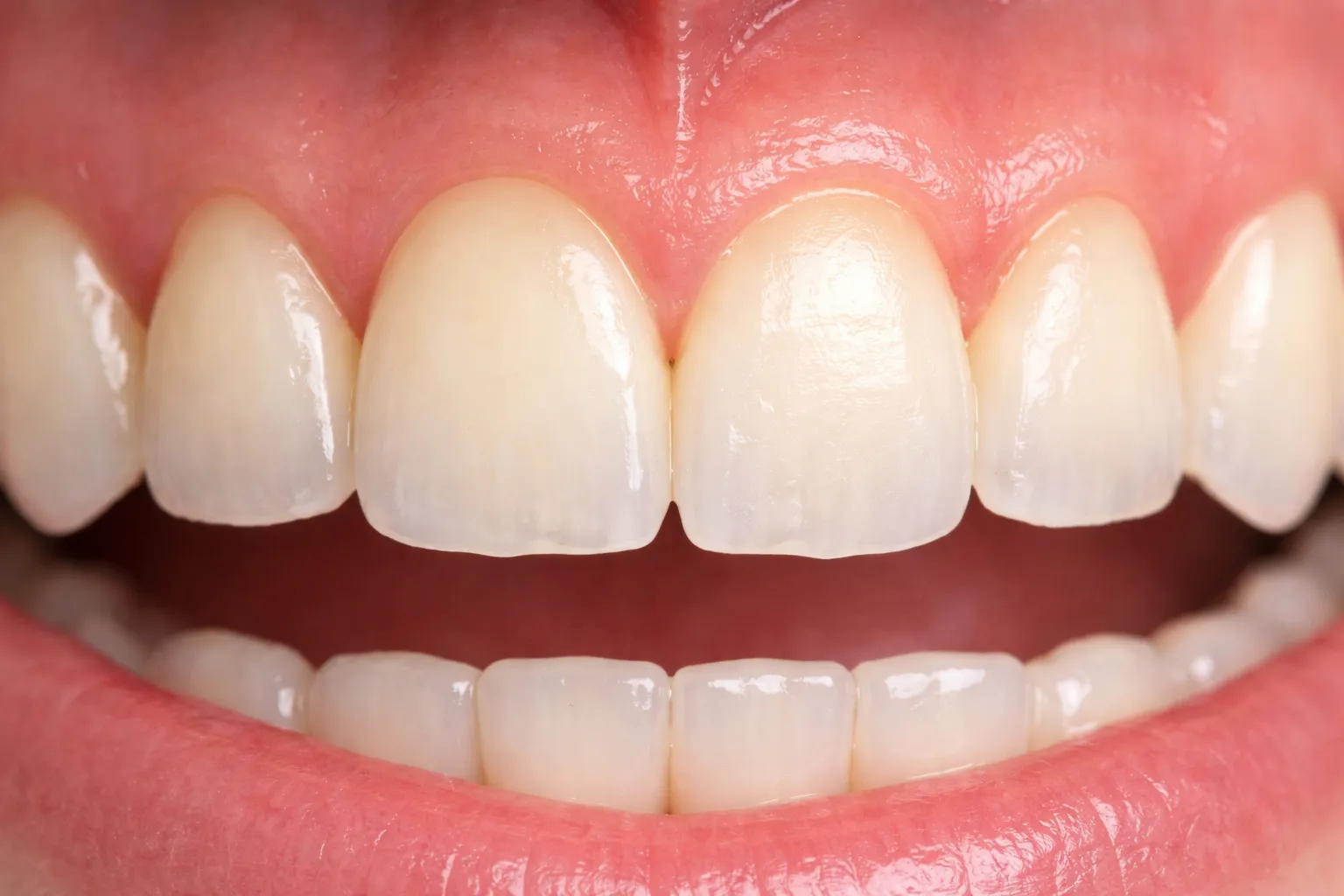
Tooth wear does not always cause pain early on. The signs are often visual or “feel” related.
Here are common early signs we see during examinations and in patient concerns:
- New or worsening sensitivity to cold, sweet, or touch
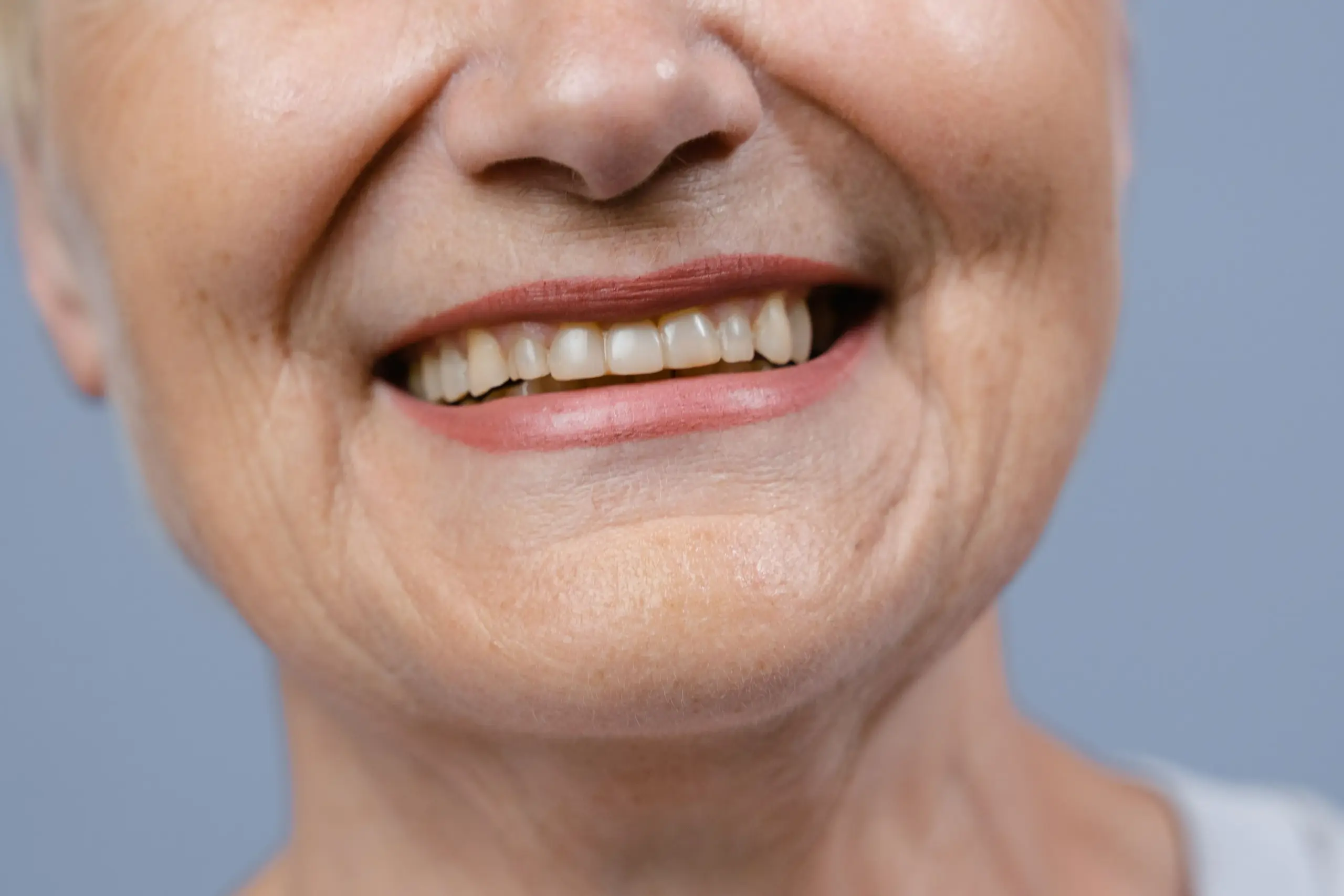
- Teeth appearing flatter or shorter
- Edges looking thinner or slightly translucent
- Roughness that catches on the tongue
- Yellowing that seems to come from within
- Bite changes, jaw fatigue, or frequent tension headaches
If sensitivity is part of what you are experiencing, our guide on dealing with sensitive teeth explains how enamel loss can contribute, and what else may be involved.
Why tooth wear matters over the long term
Enamel does not regenerate. If tooth wear progresses, teeth can become weaker, more sensitive, and more likely to chip or fracture. In some cases, bite changes can lead to a cycle where teeth continue to wear unevenly.
A clinical review on erosive tooth wear and its diagnosis and management highlights that erosion can accelerate wear when combined with mechanical forces such as brushing or grinding. This matches what we see clinically, tooth wear is often a “combined factors” problem.
How we assess tooth wear
A proper assessment is not just a quick look at the tooth surfaces. We take into account:
- The pattern of wear (front edges, back teeth, gumline)
- Your diet and drink habits, including how often acids appear
- Signs of clenching or grinding
- Medical factors such as reflux symptoms
- Whether wear appears stable or active over time
Regular monitoring helps us spot progression early and keep treatment conservative. That’s one reason we emphasise consistent reviews, which we explain further in our article on why regular dental check-ups matter.
Prevention that works in real life
Tooth wear prevention does not need to be extreme. Small changes, done consistently, are usually what make the biggest difference.
A practical daily checklist
- Keep acidic drinks to mealtimes where possible
- Avoid sipping acidic drinks for long periods
- Rinse with water after acidic foods or drinks
- Wait before brushing after acids
- Use a soft toothbrush and gentle pressure
- If you grind, consider professional advice about protection
Guidance from the FDI World Dental Federation on managing tooth wear supports giving enamel time to reharden before brushing, because brushing softened enamel can increase wear.
Tooth wear types at a glance
| Type | Main driver | What it often looks like | What helps most |
| Erosion | Dietary acids or reflux | Smooth, shiny surfaces, thinning edges | Reduce frequency of acids, timing changes |
| Attrition | Grinding, clenching | Flat edges, chips, bite changes | Night guard where appropriate, bite review |
| Abrasion | Brushing, abrasives | Notches near the gumline | Softer technique, suitable products |
Treatment options, from minimal to restorative
Not everyone needs treatment beyond prevention and monitoring. Where treatment is needed, our goal is to protect natural tooth structure and keep changes as conservative as possible.
Monitoring and protective support
If tooth wear is mild and stable, we often focus on:
- Tracking wear patterns over time
- Preventive advice tailored to your habits
- Fluoride support where appropriate
Composite bonding
When tooth wear affects shape, comfort, or appearance, composite bonding can often rebuild worn edges conservatively. It is commonly used where we want to protect the tooth without removing more structure.
Crowns or onlays for more advanced wear
If tooth structure has been significantly reduced, restorations such as onlays or crowns may be needed to protect teeth and restore bite stability. These decisions are made carefully, based on the activity of the wear and your overall risk factors.
When tooth wear needs professional treatment
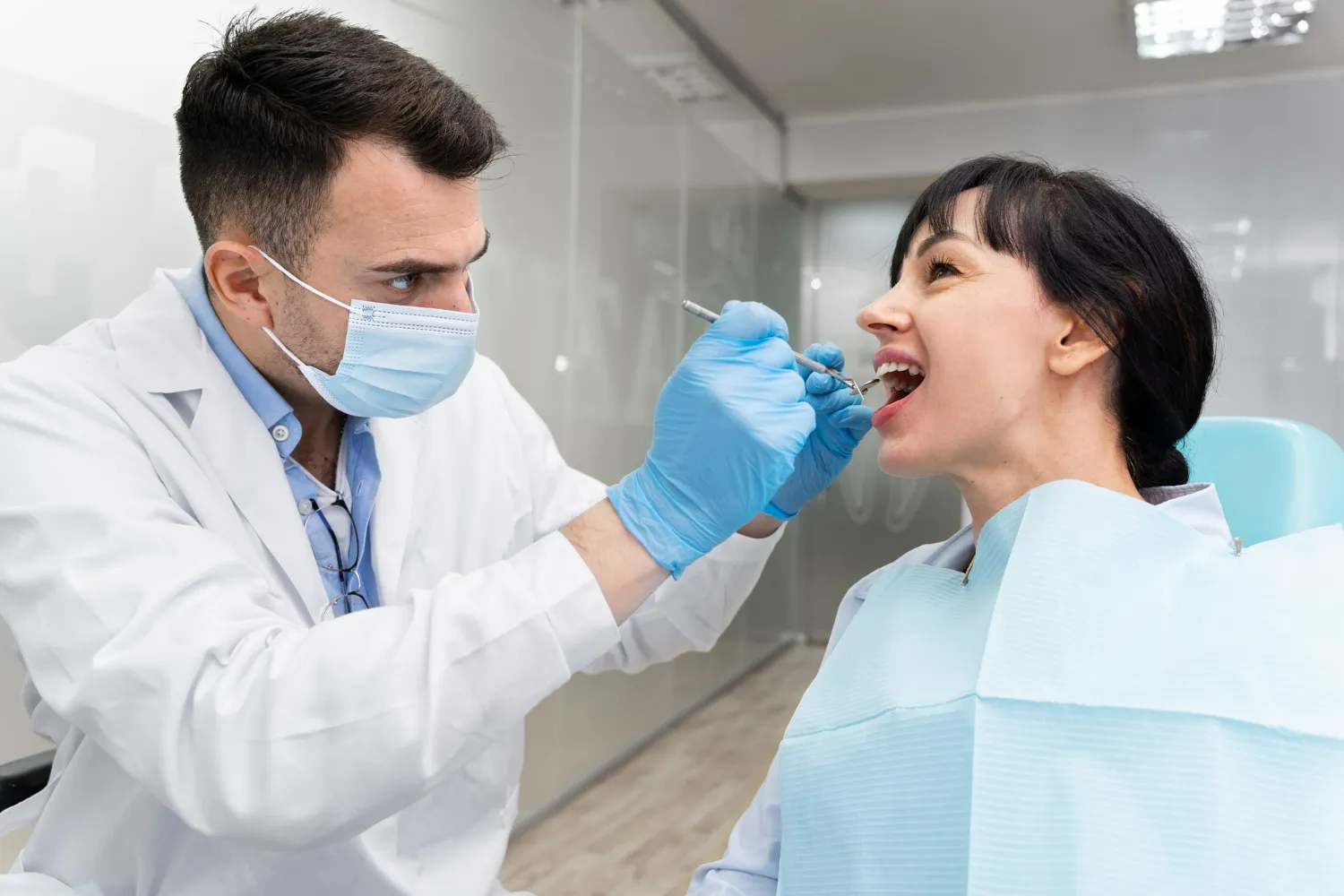
When tooth wear starts to affect comfort, appearance, or how your teeth meet, a professional assessment is important. At Birchgrove Dental, we focus on identifying what is driving the wear so that treatment supports long-term stability, not just short-term repair.
In many cases, worn or thinned edges can be protected using composite bonding, a conservative option that helps restore shape and strength while preserving natural tooth structure. If you have noticed flattening, sensitivity, or chipping, you can book an appointment to discuss whether this approach is suitable for you.
Important patient information
This content is provided for general information only and is not a substitute for a clinical examination or personalised dental advice. Tooth wear varies between individuals, and any diagnosis or treatment recommendations should be based on an assessment by a qualified dental professional.
Key takeaway
Tooth wear is common, but progression is not inevitable. When we understand what is driving the wear and address it early, we can often stabilise the situation and protect your teeth with conservative care.
If you are noticing sensitivity, flattening, chipping, or changes in how your teeth meet, it is worth having this checked sooner rather than later. Early assessment is usually what keeps treatment straightforward, protective, and predictable.