

Composite bonding can improve the shape, shade and balance of your smile, but it does need care over time. If the resin starts to look stained, yellow or flat, you may wonder: can you whiten composite bonding, or does it need replacing?
The short answer is no, composite bonding cannot be whitened like natural teeth. Whitening gels work on enamel, not on tooth-coloured resin. However, dull bonding does not always mean you need to start again. Depending on the cause, professional cleaning, polishing, repair, or replacement may improve the appearance.
Can you whiten composite bonding?
No, standard whitening treatment will not whiten composite bonding.
Composite bonding is made from tooth-coloured resin. When it is placed, it is matched to your tooth shade at that time. Once the resin has been set and polished, its colour cannot be lifted in the same way as enamel.
Professional whitening usually uses peroxide-based gels to lighten natural teeth. The NHS guidance on teeth whitening explains that whitening should be carried out by a dental professional because the products need to be used safely. Even when whitening is done correctly, it will not bleach composite resin, crowns, veneers or fillings.
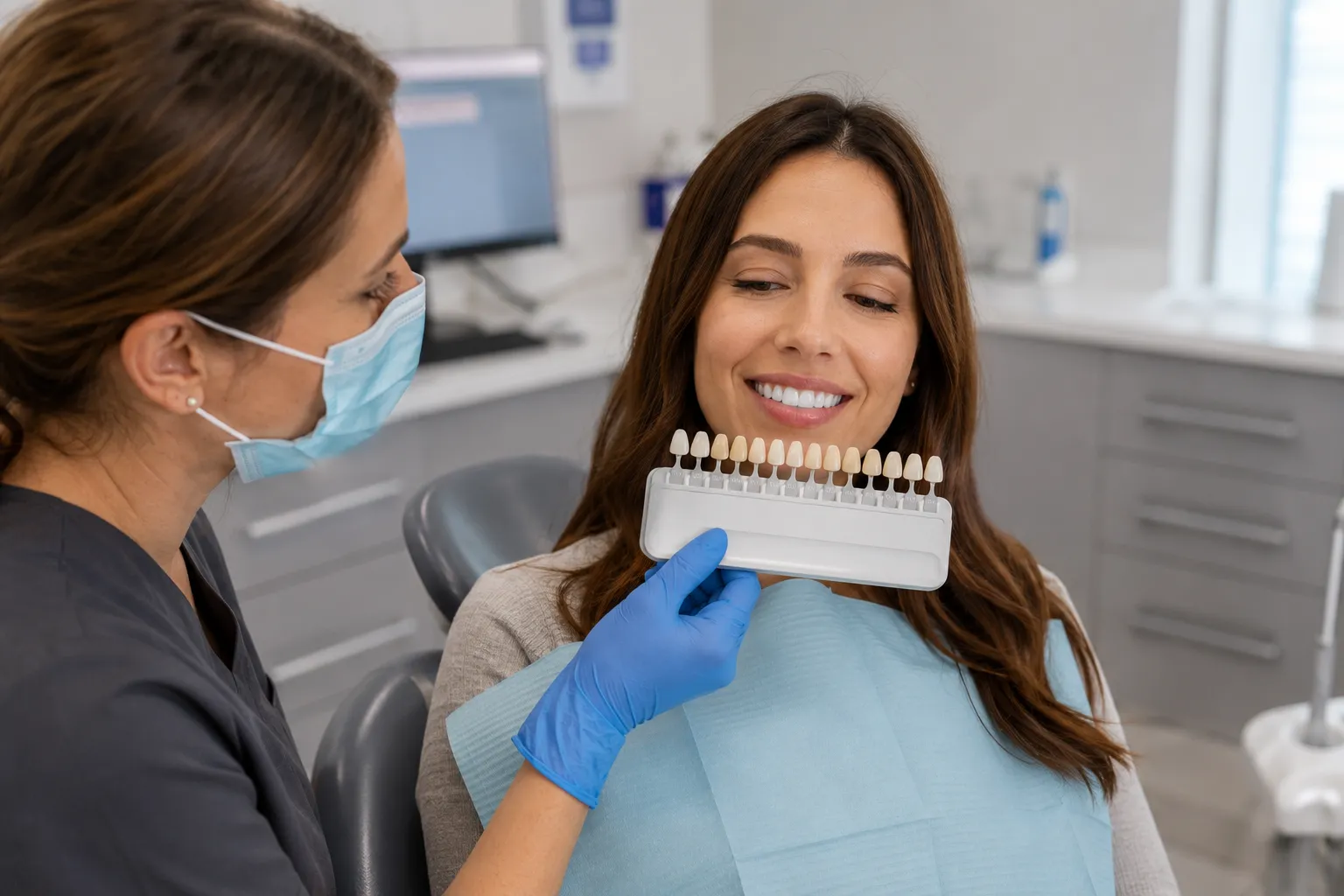
The order of treatment makes a real difference here. If you want brighter teeth and composite bonding, we would usually discuss whitening first, then match the bonding to your new tooth shade once it has settled.
Why does composite bonding start to look dull?
Composite bonding is a conservative and useful cosmetic option, but it is not completely stain-proof. Over time, the surface can lose shine, especially if it becomes scratched or exposed to staining habits.
Common causes include:
- Tea, coffee, red wine, curry and dark sauces
- Smoking or vaping residue
- Plaque and tartar around the bonding edges
- Abrasive whitening toothpastes
- Hard brushing
- Tooth grinding or clenching
- Small chips or rough areas
- Natural ageing of the resin
A smooth, freshly polished surface reflects light well. Once that surface becomes rougher, it can hold stains more easily and look darker, flatter or patchier.
Surface stains and deeper discolouration are different
Before deciding what to do, we need to know whether the issue is on the surface or within the resin itself. In an appointment, we would usually check the surface texture, bonding margins, shade match and bite before advising whether polishing, repair or replacement is the most sensible option.
| What you notice | Possible cause | What may help |
| Brown or yellow marks | Surface stains | Cleaning and polishing |
| Flat or matte bonding | Loss of shine | Composite polishing |
| Dark edges | Marginal staining or small gaps | Repair or replacement |
| Bonding looks darker after whitening | Natural teeth have lightened | Replacement to match |
| Chipped or uneven resin | Wear or bite pressure | Repair or replacement |
Surface staining is often easier to improve. Deeper discolouration, older resin or a poor shade match may need repair or replacement.
What actually works when composite bonding looks stained?
Professional cleaning and stain removal
If your bonding has picked up surface stains, a professional clean may make a noticeable difference. This can remove plaque, tartar and external staining around the teeth and bonding margins.
This is especially useful if the bonding looks darker near the gumline or between the teeth. Our guide to what a dental hygienist does explains how hygiene care supports both oral health and the appearance of your smile.
A clean will not change the original shade of the composite. But if the dullness is caused by deposits or surface marks, it can help the bonding look cleaner and smoother.
Composite polishing
Polishing may be a suitable first option after assessment, especially when the resin is still in good condition, and the issue is mainly surface dullness.
During polishing, we smooth the composite surface using fine dental instruments and polishing systems. This can help restore shine, reduce roughness and make the bonding less likely to pick up surface stains quickly, depending on the condition of the resin.
Laboratory research on polishing procedures and colour stability in composite resins supports the point that surface finishing can affect how composite materials retain colour, although results in the mouth vary from person to person. In everyday terms, a well-polished surface is less likely to look dull or hold a stain.
Polishing may be suitable if:
- The bonding still has a good shape
- The edges are sound
- There are no significant chips
- The main issue is dullness or surface stain
- The resin still broadly matches your teeth
Small repairs or replacement
Sometimes, only one part of the bonding is affected. There may be a small chip, rough edge or stained margin. In suitable cases, we may be able to repair that area without replacing the whole restoration.
If the composite itself has discoloured, or if your natural teeth have been whitened and the bonding no longer matches, replacement may give a more predictable shade match. This involves carefully removing the old resin and placing new composite in a shade that suits your current smile.
Our guide on how long composite bonding lasts explains why maintenance, bite, oral hygiene and lifestyle all affect how well bonding holds up over time.
Replacement may be considered if the bonding is heavily stained, chipped, lifting at the edges, uneven in shape or no longer close to your tooth’s shade.
How cosmetic bonding can help when old resin needs refreshing
If your bonding has become dull, stained or uneven, we can assess whether it needs polishing, repair or replacement. The right option depends on the resin, your natural tooth shade and whether the edges are still smooth and well-sealed.
Our cosmetic bonding treatment uses tooth-coloured composite resin to help improve the shape, colour and balance of suitable teeth. It may be helpful when older bonding no longer blends well or when chips, worn edges or staining affect the appearance of your smile.
The aim is not to over-treat the tooth, but to choose the most conservative option that gives a clean, natural-looking result. If you are unsure whether your bonding can be polished, repaired or replaced, our cosmetic bonding page explains how the treatment works and what to expect before making a decision.
Should you whiten your teeth before composite bonding?
If you want your natural teeth to look brighter, whitening is usually best done before new bonding is placed.
Whitening can lighten enamel, but it will not lighten composite resin. If bonding is placed first and you whiten later, your natural teeth may become brighter while the bonding stays the same shade. The result can look uneven.
A typical sequence may be:
- We assess your teeth, gums and existing bonding
- We check whether whitening is suitable
- You complete whitening under dental guidance
- The tooth shade is allowed to settle
- Bonding is polished, repaired or replaced to match
If you are unsure whether staining is on your teeth or your bonding, our article on whether teeth whitening removes stains explains the difference between surface stains and deeper tooth discolouration.

What does not work on composite bonding?
Quick fixes can be tempting, but abrasive or acidic home methods may roughen resin and make staining more noticeable.
Avoid using:
- Charcoal powders
- Baking soda scrubs
- Lemon juice or acidic DIY mixtures
- Abrasive whitening toothpastes are used aggressively
- Over-the-counter whitening products are expected to bleach resin
- Hard brushing to scrub away stains
The General Dental Council guidance on illegal tooth whitening explains that whitening should only be provided by a registered dentist, or by certain registered dental professionals working to a dentist’s prescription. This matters because unsuitable products or poor technique can irritate the gums, increase sensitivity or damage the mouth.
For bonding, it is usually safer to have the resin checked before trying to scrub or bleach it at home.
How to keep composite bonding brighter for longer
Composite bonding needs maintenance, but small habits can help it stay smoother and cleaner.
A simple care checklist
- Brush twice a day with a soft toothbrush
- Use fluoride toothpaste that is not overly abrasive
- Clean between your teeth daily
- Rinse with water after coffee, tea, red wine or dark sauces
- Avoid smoking
- Do not bite pens, nails, ice or packaging
- Wear a nightguard if we advise one for grinding or clenching
- Keep up with routine dental and hygiene visits
- Ask us to check the bonding if it starts to feel rough
Good care will not make the composite last forever, but it can help it look better for longer. The old advice still holds: brush gently, clean between the teeth and avoid using your teeth as tools.

When should you have dull bonding checked?
You should book an assessment if you notice staining that does not improve with normal brushing, roughness around the bonding, chips, dark edges, sensitivity, gum redness or bonding that looks darker than nearby teeth.
These signs do not always mean the bonding needs replacing. Often, a polish or small repair is enough. But the earlier we check it, the more conservative the solution is likely to be.
The key takeaway
So, can you whiten composite bonding? Not with whitening gel. Composite resin does not bleach like natural tooth enamel.
What can work is professional cleaning, stain removal, polishing, small repairs or replacement when the material is too stained, worn or mismatched. If you are planning to whiten your teeth as well, it is usually best to do that before refreshing or replacing bonding.
If your bonding has started to look dull, it does not automatically mean anything has gone wrong. It may simply need maintenance. We can assess the resin, explain what is realistic and help you choose the most sensible way to improve the appearance of the bonding in a way that suits your teeth.
This article is for general information only and should not replace personalised advice from a dentist. If your bonding is stained, chipped, rough or sensitive, we would need to assess your teeth before recommending whitening, polishing, repair or replacement.