

When nothing hurts, it is tempting to push dental appointments down the list. Teeth feel fine, life is busy, and the diary is full. Yet regular check-ups are one of the simplest ways to help keep your mouth comfortable, your smile confident, and your treatment costs under control.
At Birchgrove Dental, we are often asked how often someone really needs to see the dentist, especially by patients who have not had any problems for a while. We have been looking after families in the local area for many years, so recall advice is based on what we see in day-to-day practice as well as national guidance.
Why Do Dental Check-Ups Matter?
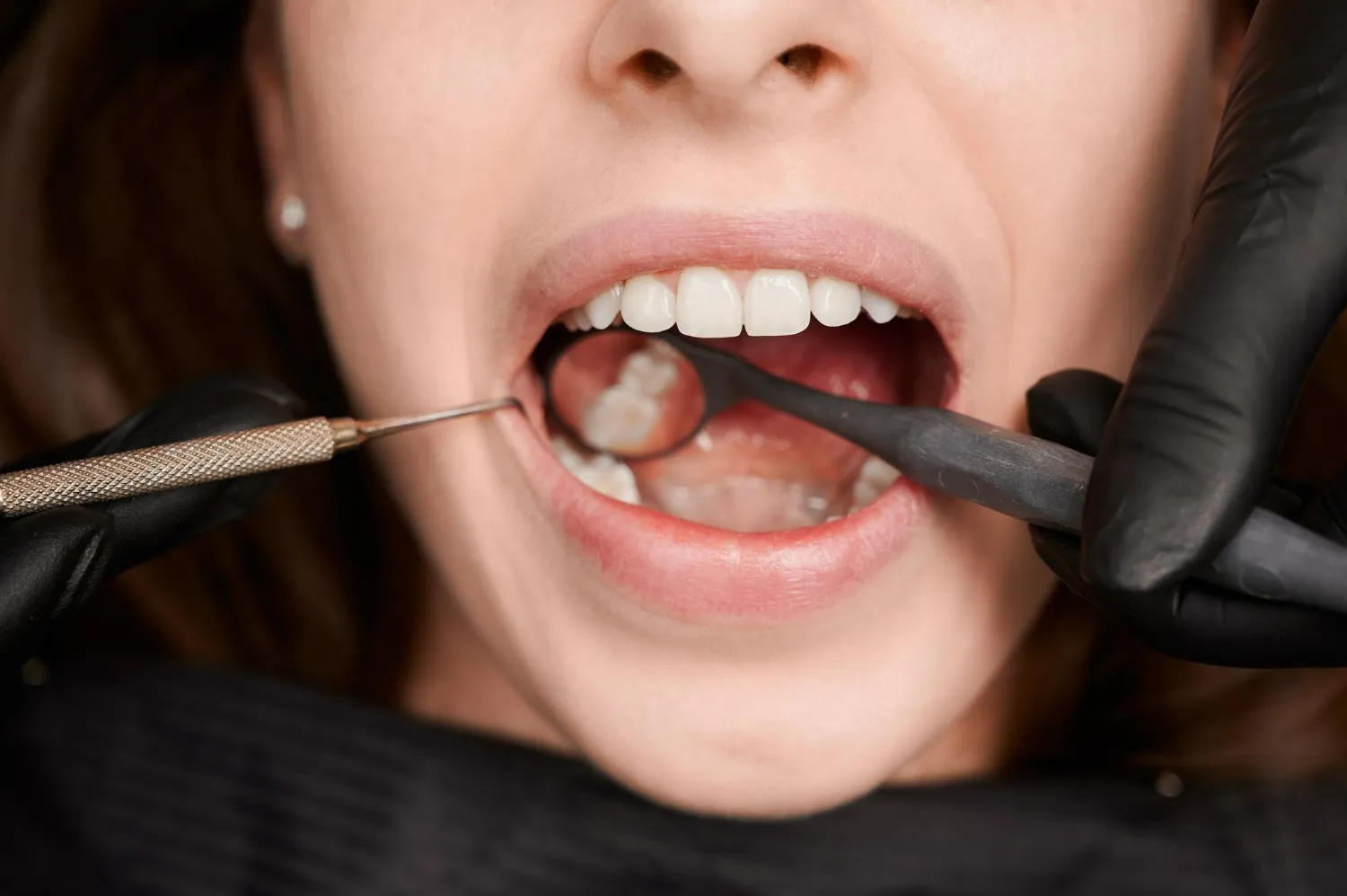
A dental check-up is more than a quick look at your teeth. It is a chance to spot early changes that you may not notice at home, such as:
- Small areas of enamel softening before a cavity forms
- Red or bleeding gums that suggest early gum disease
- Wear from grinding or clenching
- Cracks around old fillings that could later break
The NHS explains in its guidance on dental check-ups and oral health that regular reviews can help prevent problems by catching them early and reinforcing good home care habits. When you combine routine visits with consistent brushing and cleaning between your teeth, you can help reduce the risk of painful emergencies and more complex treatment.
If you would like to explore the benefits in more depth, our article on routine dental care and why regular check-ups matter looks at the long-term difference that preventive visits can make.
What Do Official Guidelines Say About Check-Up Frequency?
You may have grown up hearing that everyone needs to see a dentist every six months. Recent clinical guidance takes a more flexible approach and focuses on risk.
Risk-based recall, not one rigid rule
Guidance from the National Institute for Health and Care Excellence, set out in the NICE guideline on dental recall intervals, suggests that recall can range from 3 months to 24 months, depending on the patient’s risk of dental disease and the findings at their last visit. Put simply, the healthier and more stable your mouth is, the longer you may safely be able to wait between examinations.
A large study funded by the National Institute for Health and Care Research compared adults seen every six months, every 24 months and on a risk-based schedule, and did not find worse outcomes in the longer or risk-based groups for adults who were assessed as low risk. These findings relate to groups of adults in research settings. Your own recall interval should always be based on a personal assessment by a dentist.
Typical recall intervals
Although your own situation may be different, many people fall into one of the patterns below.
| Risk level | Typical recall interval | Who this might suit |
| Higher risk | Every 3 to 6 months | History of gum disease, frequent decay, smokers, and some medical conditions |
| Moderate risk | Every 6 to 12 months | Occasional issues, some fillings, generally good but not perfect oral health |
| Lower risk | Every 12 to 24 months | Very good oral hygiene, stable gums, little or no history of decay |
Your dentist will discuss which category fits you now and whether that needs to change over time.
How Your Dentist Decides How Often To See You
At Birchgrove Dental, we do not simply pick a recall interval from a chart. We look at you as a whole person and review your recall regularly, because your risk can improve or worsen over time.
We look at how often you have needed fillings or other treatment, whether you have had gum disease in the past, any history of tooth loss from decay or gum problems, and how stable your mouth has been over recent years. Someone who has not needed restorative work for a long period and shows consistently healthy gums may, on their dentist’s advice, wait longer between check-ups than someone with frequent new cavities.
We also consider your general health and daily habits. Certain conditions, such as diabetes or reduced immune function, can increase the risk of gum disease and infections. Some medicines affect saliva flow, which raises the risk of decay. Smoking or vaping, a high sugar diet, frequent snacking and alcohol use can all add to your risk. High sugar exposure and tobacco use are strong reasons to shorten recall intervals and to involve our hygiene team more frequently.
The state of your mouth at the end of the appointment is just as important as your history. We look for early signs of gum inflammation, note whether plaque build-up is heavy or light, check if existing fillings are sound or beginning to leak, and identify any areas we want to monitor more closely. Your recall interval is always set by a dentist after a full clinical examination and discussion with you.
What Happens At A Dental Check-Up?
Many people feel more relaxed about booking regular visits once they know what actually happens at a check-up. While every appointment is personalised, the structure is usually similar.
Step 1: Conversation and update
We start by asking how your mouth has felt since we last saw you, whether you have had any discomfort, and whether your general health or medicines have changed. This helps us understand the bigger picture before we examine your teeth.
Step 2: Examination of teeth and gums
Your dentist will then check each tooth for signs of decay, cracks or wear, assess existing fillings, crowns or bridges, and examine your gums for bleeding, pockets or recession. We also look at your cheeks, tongue and palate for any unusual patches or lumps. If you are a new patient, our guide to what to expect from a new patient dental exam gives a deeper overview of that first visit.
Step 3: Additional checks and tests
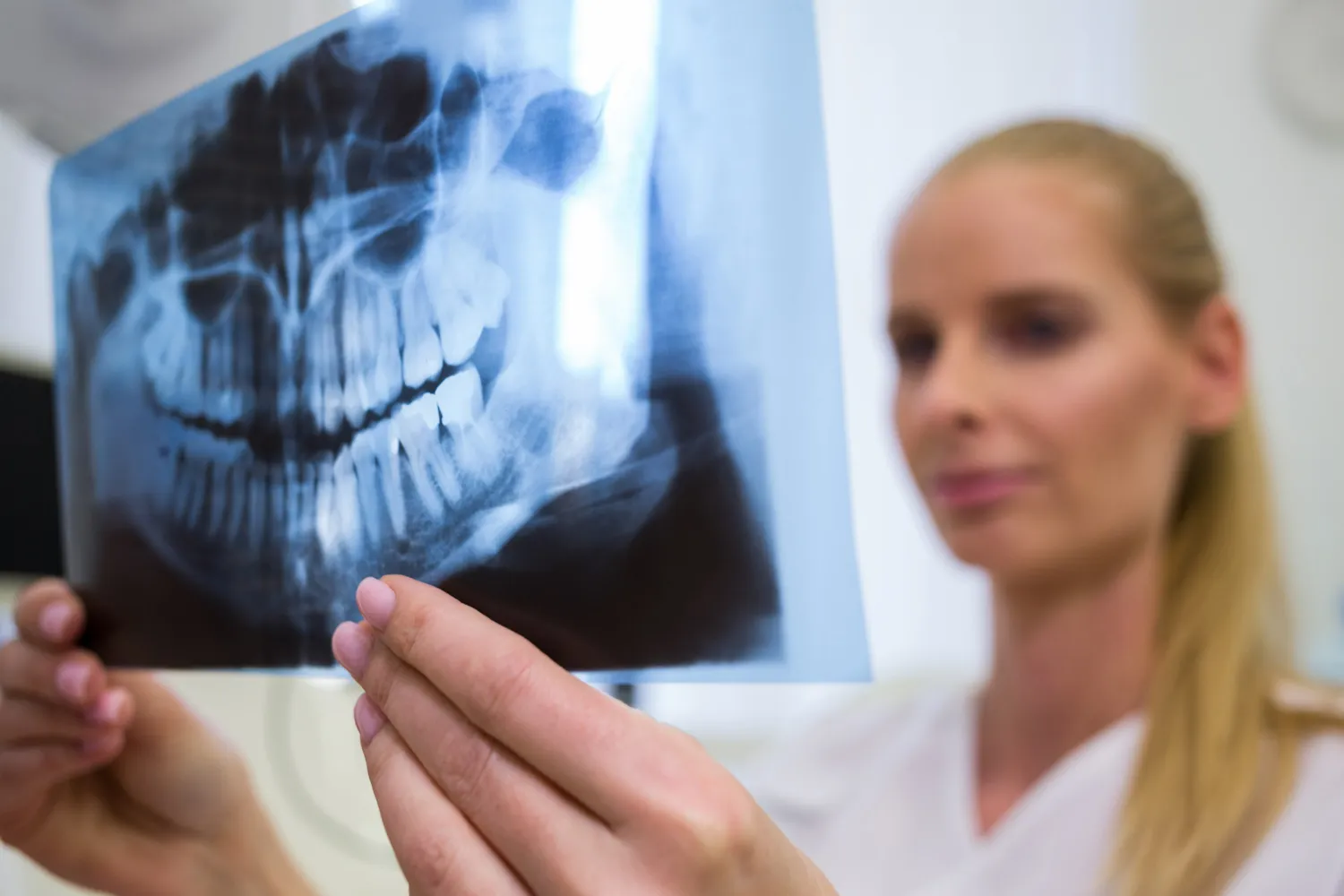
Depending on your needs, we may take small X-rays to look between teeth or underneath old fillings, take photographs to monitor wear, cracks or gum changes, or review your bite if you clench or grind.
Step 4: Advice, planning and recall
To finish, we explain what we have found, answer your questions and talk about any treatment needed now or in the near future, how to improve your home care in specific areas, and when we would like to see you again for your next check-up. This is also the moment when we agree on your recall interval together. Your recommended interval can shorten or lengthen over time if your risk changes, and we will review this with you at each check-up.
The Key Takeaway About Check-Up Frequency
The key takeaway is that how often you should have a dental check-up is not fixed for life. It is a shared decision between you and your dentist, based on your current oral health, your risk of future problems and the latest evidence.
This article provides general information only. It does not replace a full examination or tailored advice. We will always assess your teeth, gums and medical history before suggesting how frequently you should return.
Thinking About Your Next Check-Up?
If it has been a while since your last visit, or you are unsure how often you really need to be seen, we can help you find a recall pattern that suits both your mouth and your lifestyle. Our team provides routine dental care with a focus on prevention, comfort and clear communication.
Booking a check-up is a small step now that can help you avoid more involved treatment later and help you feel more confident eating, speaking and smiling every day.