

Important: This article provides general first-aid guidance and does not replace an individual dental or medical assessment. A knocked-out tooth can be a dental emergency. If there are signs of head injury, heavy bleeding, or breathing difficulties, seek urgent medical help.
A knocked-out tooth can feel chaotic, especially when there is bleeding, pain, and panic in the moment. The first few minutes matter, and knowing the basic first-aid steps can help you respond quickly and safely.
This guide explains how to handle a knocked-out tooth before you reach a dentist, what to avoid, and when urgent care is needed.
Why a knocked-out tooth needs urgent action
A knocked-out tooth, also called an avulsed tooth, is not the same as a chipped or cracked tooth. It has come completely out of the socket and usually needs urgent dental assessment.
Guidance from NHS Inform on broken or knocked-out teeth explains that a knocked-out adult (permanent) tooth needs urgent dental attention, and that baby teeth should not be put back in.
What we often discuss with patients after dental trauma
A common problem after dental trauma is delay. People understandably spend time trying to clean the tooth, searching online, or waiting to see if the pain settles. In many cases, acting promptly is one of the most important first steps.
What to do immediately after a tooth is knocked out
Step 1: Stay calm and check for more serious injuries first
Before focusing on the tooth, quickly check for signs of more serious trauma, such as:
- Heavy bleeding
- Loss of consciousness
- Head injury symptoms
- Difficulty breathing
- Severe facial injury
If there is significant trauma beyond the tooth, seek urgent medical help first. A dental injury can happen alongside head or facial injuries.
Step 2: Find the tooth and hold it the right way
If you can find the tooth, pick it up by the crown only, which is the white part you normally see in the mouth.
Do not hold the root. Try not to touch it more than necessary, and do not scrub it. The root surface is delicate, and rough handling may reduce the chance of a successful outcome if reimplantation is attempted.
Step 3: Work out whether it is a baby tooth or an adult tooth
This step is very important because the advice is different.
- Adult (permanent) tooth: urgent dental action is needed, and reimplantation may be considered
- Baby (primary) tooth: do not put it back in
If you are not sure whether it is a baby tooth or an adult tooth, keep the tooth safe and contact a dentist urgently for advice.
A common point of confusion for families
We often speak to parents who are unsure whether the tooth is a baby tooth or a newly erupted adult tooth. That uncertainty is another reason to seek urgent advice rather than guessing.
Step 4: If it is an adult tooth, gently deal with visible dirt
If the tooth is dirty, use only a very brief, gentle rinse if needed. The aim is to remove obvious dirt without damaging the surface.
Important point
- Do not scrub the tooth
- Do not use soap or disinfectant
- Do not wrap it in tissue
- Do not leave it dry while deciding what to do
Step 5: If it is an adult tooth, try to place it back in the socket if possible
For some knocked-out adult teeth, immediate reimplantation may be advised as part of first aid when it can be done safely and promptly. This approach is reflected in professional trauma guidance, including the International Association of Dental Traumatology guidelines and resources.
If you can do this:
- Hold the tooth by the crown
- Check that the tooth is the right way round
- Gently place it back into the socket
- Ask the person to bite gently on a clean cloth or handkerchief to help keep it in place
If it does not go in easily, do not force it.
Step 6: If you cannot reinsert it, store it properly and get urgent help
If the adult tooth cannot be placed back in the socket, keep it moist while you arrange urgent dental care. The best temporary storage option can depend on the situation, so seek urgent advice while keeping the tooth moist.
Temporary storage options (adult tooth)
- Milk
- Saliva (for example, in a clean container), if appropriate and safe to do so
- Saline, if available
Do not let the tooth dry out.
A common mistake we see after accidents
One of the most common issues is that the tooth is wrapped in tissue or left on a surface while people decide what to do next. Allowing the tooth to dry out may reduce the likelihood of a favourable outcome.
What not to do with a knocked-out tooth
When people panic, they often try to “clean it properly” or improvise storage. Some common mistakes may reduce the chance of saving the tooth.
Avoid:
- Touching or scrubbing the root
- Wrapping the tooth in dry tissue or cloth
- Leaving it on a surface while deciding what to do
- Forcing the tooth back into the socket
- Re-inserting a baby tooth
How to handle a knocked-out baby tooth
This is one of the most important parts of how to handle a knocked-out tooth correctly when children are involved.
If a baby tooth is knocked out:
- Do not put it back in
- Control bleeding with gentle pressure using clean gauze or cloth
- Contact a dentist promptly for advice and assessment
- Check for cuts, lip injury, or other signs of trauma
Baby teeth are managed differently because of the adult tooth developing underneath.
What to expect at the dental appointment
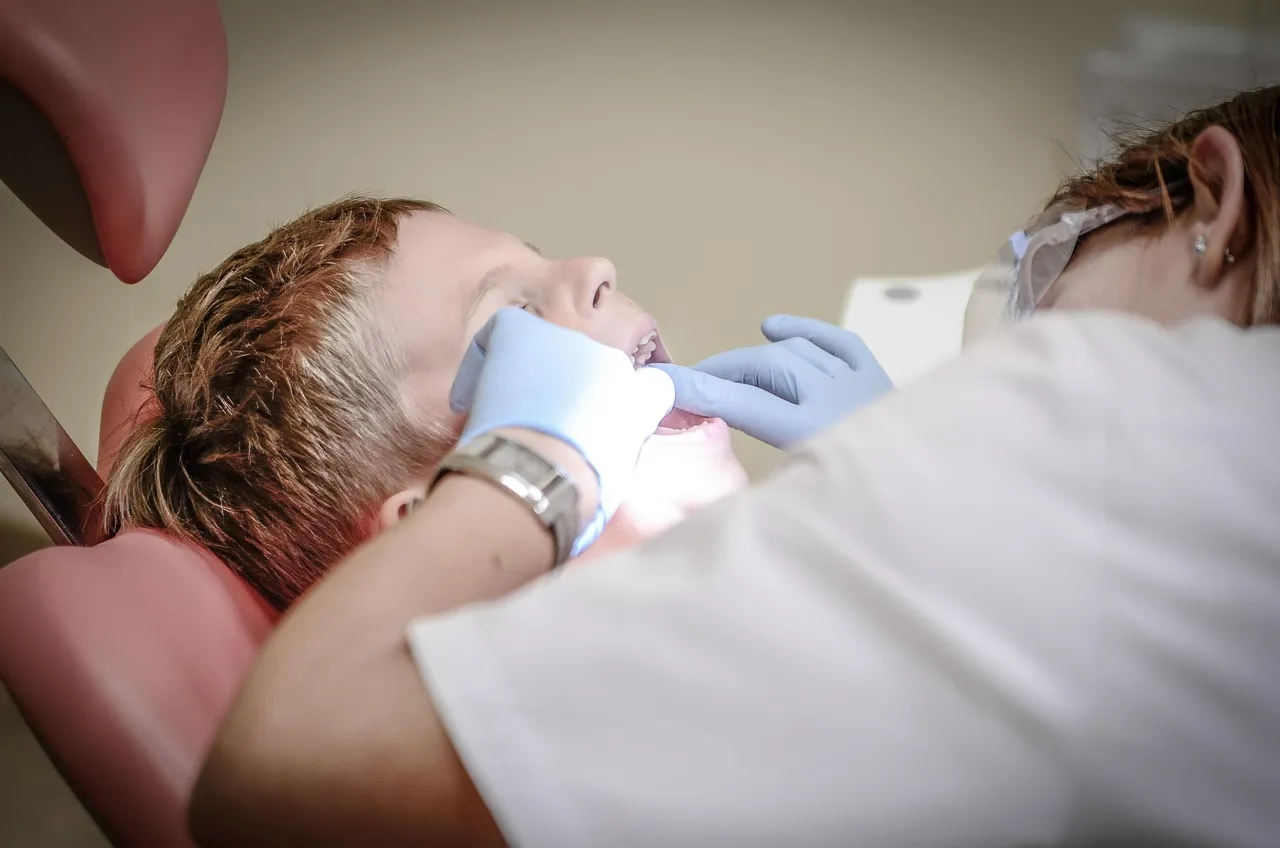
Treatment depends on several factors, including:
- Whether the tooth is a baby or adult tooth
- How long was it out of the mouth
- How it was stored
- Whether there are fractures to the tooth, socket, or surrounding bone
- The age of the patient and the stage of tooth development
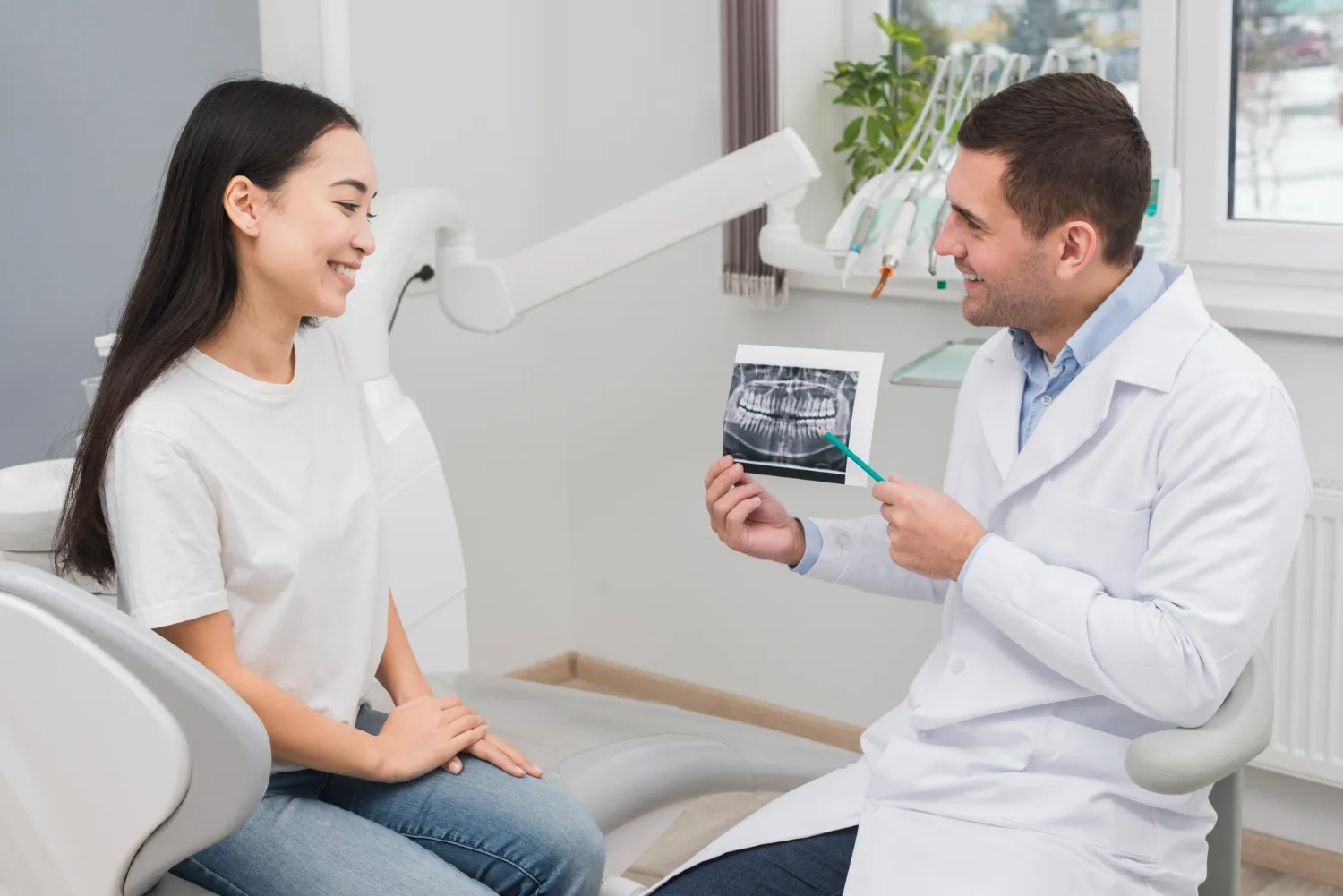
Guidance from Cambridge University Hospitals on care after a dental injury notes that assessment may include an examination and X-rays, and treatment may involve stabilising the tooth and follow-up monitoring where appropriate.
The first-aid steps at home are important, but treatment decisions are still individual and depend on the tooth, the injury, and the wider clinical situation.
What we often explain to families
Even when the right first-aid steps are taken quickly, a knocked-out tooth still needs follow-up. Trauma care is not always a one-visit situation, and monitoring is an important part of long-term management.
Pain relief and comfort at home while waiting to be seen
While arranging urgent care:
- Use a clean cloth or gauze to apply gentle pressure if there is bleeding
- Keep the person calm and seated upright where possible
- Use age-appropriate pain relief only if needed, and follow the product instructions or advice from a pharmacist or clinician
- Avoid very hot food and drinks until they have been assessed
If there is severe pain, heavy bleeding, facial swelling, or concern about a head injury, urgent medical assessment may also be needed.
A practical prevention note for families and sports
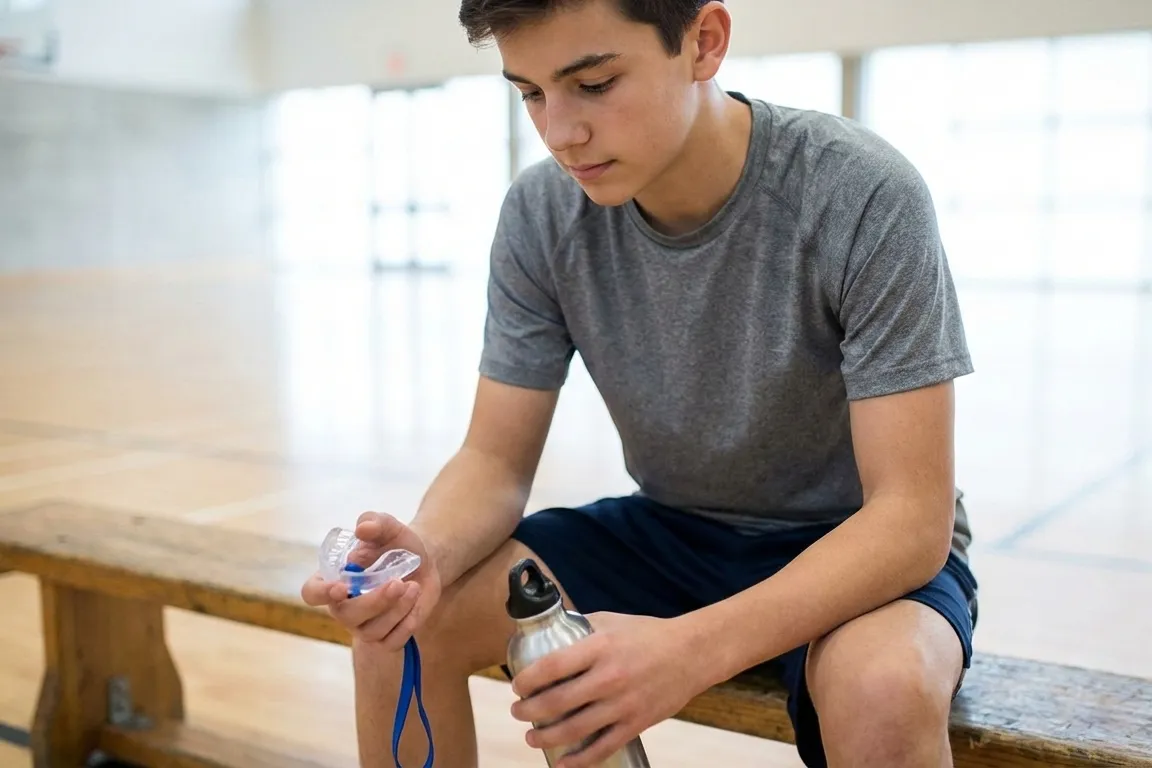
Not every accident is preventable, but some dental injuries may be reduced with:
- Well-fitted mouthguards for contact sports
- Home safety measures for younger children
- Prompt dental advice after a tooth injury, even when the tooth looks mostly fine
A tooth that is not fully knocked out can still be displaced or damaged, so it is sensible to have it checked.
Getting urgent support after a knocked-out tooth
A knocked-out tooth needs urgent assessment, even if you have managed to place it back in the socket. Fast assessment may improve the chances of protecting the tooth and identifying damage to the surrounding tissues.
Need urgent dental help?
If the tooth has been fully knocked out, there is ongoing bleeding, or the person is in significant pain, visit our Emergency Dentist service page for urgent support and next-step guidance.
If you are unsure whether the injury counts as an emergency, our guide to dental emergencies and when to see a dentist immediately explains the warning signs and when urgent care is needed.
If you need to speak to the practice about the next step, you can also use our contact page to get in touch.
After the urgent stage, follow-up checks are still important. Our Routine Dental Care service supports ongoing monitoring after dental trauma, including checks on healing and surrounding teeth.
What to do first after a knocked-out tooth
- Treat a knocked-out adult tooth as urgent
- Hold the tooth by the crown, not the root
- Do not scrub or dry the tooth
- If appropriate, try to place it back in the socket gently (adult tooth only)
- If not, keep it moist, for example, in milk, and seek urgent dental help
- Do not reinsert a baby tooth
A knocked-out tooth can feel overwhelming in the moment, but knowing the first steps can help you act quickly and reduce delays. In a dental trauma situation, handling the tooth correctly and seeking urgent advice are two of the most important early steps. Once the immediate emergency has been managed, follow-up checks help us monitor healing and make sure the surrounding teeth and tissues are recovering well.