

Whitening can give your smile a fresher, brighter look, but what you do afterwards matters too. The first few days and your daily routine both influence how long your teeth continue to look bright.
If you are wondering how to maintain teeth after whitening, the answer is not about avoiding every cup of tea forever. It is about knowing what can stain teeth, protecting your enamel and keeping up with sensible oral hygiene.
This article is for general guidance only and should not replace advice from your dentist. If you have sensitivity, gum problems, crowns, veneers, fillings, composite bonding or ongoing dental concerns, ask a dental professional before starting or repeating whitening treatment.
Why Teeth Can Lose Brightness After Whitening
Teeth whitening lightens the existing colour of natural teeth. It does not make teeth permanently stain-proof, and it does not change the colour of crowns, veneers, fillings or composite bonding.
The NHS explains that whitening should only be carried out by a dentist or another regulated dental professional, such as a dental hygienist or therapist, on the prescription of a dentist. Its guidance on safe teeth whitening treatment is a useful reminder that whitening is still a dental procedure, not just a cosmetic purchase.
New surface stains can gradually build up from tea, coffee, red wine, curry, dark berries, fizzy drinks, acidic drinks, smoking, vaping and plaque. This does not mean your whitening has failed. It simply means your teeth still need everyday care.
The First 24 to 48 Hours After Whitening Often Need Extra Care
The first couple of days after whitening are usually when we advise patients to be more careful with strongly coloured foods and drinks. Teeth may also feel more sensitive than usual for a short time.
Always follow the aftercare advice given for your specific whitening system. As a simple guide, strongly coloured foods and drinks are worth limiting shortly after whitening.
| Avoid or Reduce for Now | Better Short-Term Options |
| Coffee and strong tea | Water, milk or pale herbal tea |
| Red wine | Water or clear drinks |
| Curry or turmeric-rich dishes | Plain chicken, fish, rice or pasta |
| Tomato-based sauces | Cream-based or lighter sauces |
| Dark berries | Banana, peeled apple or pear |
| Cola and dark fizzy drinks | Still water or sparkling water |
| Soy sauce or balsamic vinegar | Light dressings or mild seasoning |
One slip will not undo your result, but it is sensible to rinse with water and return to your aftercare routine.
The Oral Health Foundation advises reducing foods and drinks that can stain teeth after whitening, and also highlights smoking as a common cause of discolouration. Its guidance on looking after whitened teeth reinforces why aftercare is mostly about everyday choices.
Professional Whitening Support for Longer-Lasting Results
A brighter smile is easier to maintain when whitening has been planned around your teeth, gums, sensitivity levels and existing dental work. A dental professional can check whether your teeth and gums are suitable before whitening and advise whether treatment is appropriate for you.
Our teeth whitening service allows you to discuss whitening with our team, including how to use your whitening system correctly and how to care for your teeth afterwards. Where appropriate, we can also discuss whether sensitivity, restorations or enamel wear may affect your whitening result.
If you are considering whitening, or your previous results have started to fade, visit our teeth-whitening service page to learn more about how we approach whitening, suitability and aftercare.
How to Maintain Teeth After Whitening Day to Day
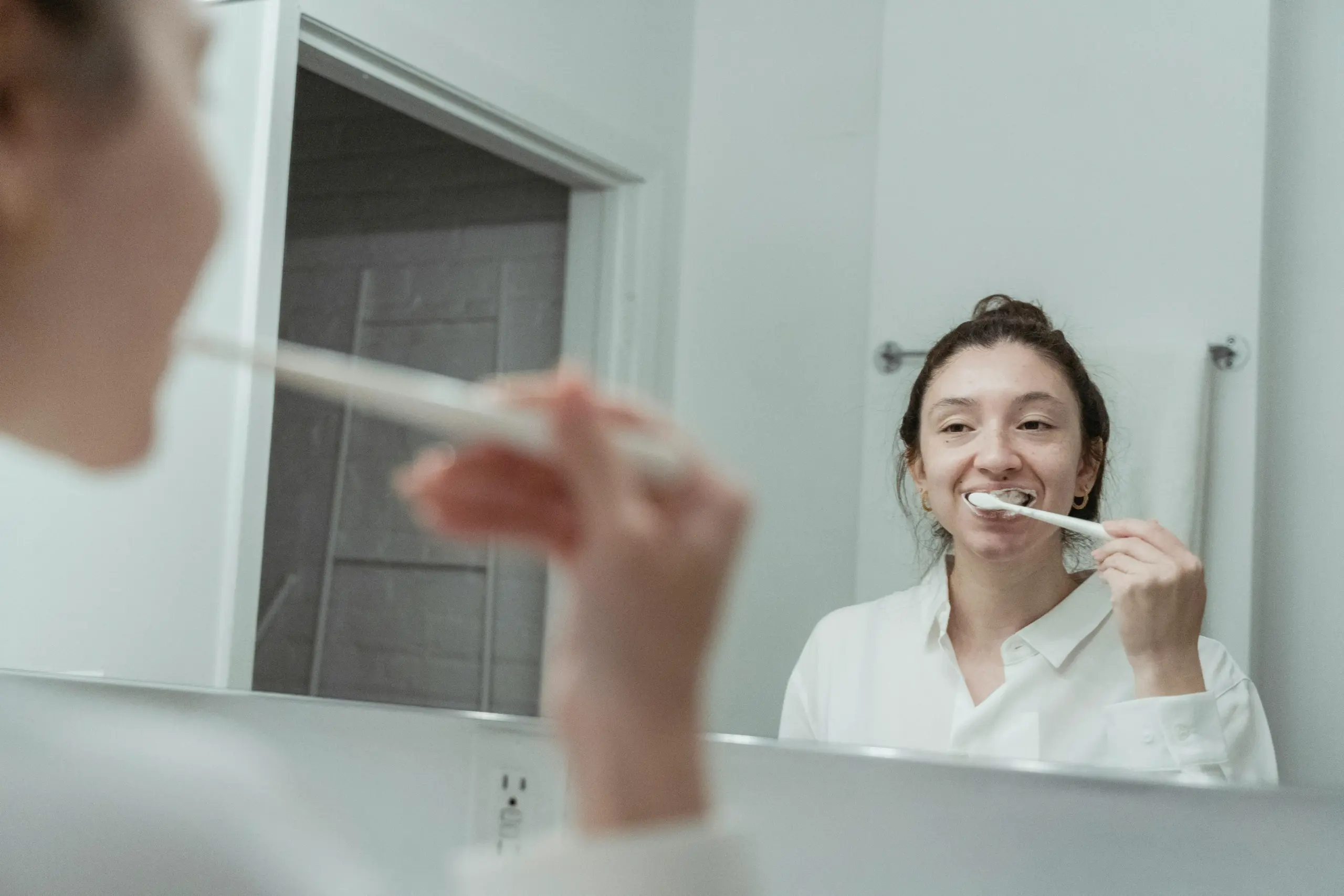
Long-lasting whitening results are built through simple habits done consistently. Brushing well, cleaning between your teeth and making sensible food and drink choices usually matter more than occasional intensive efforts.
Brush Twice Daily With Fluoride Toothpaste
Brush your teeth twice a day using fluoride toothpaste. NHS guidance on keeping your teeth clean recommends brushing for around two minutes with fluoride toothpaste to help maintain healthy teeth and gums.
Use a soft-bristled toothbrush and brush gently. Scrubbing harder will not make your teeth brighter. It can irritate your gums and may contribute to tooth surface wear over time.
Clean Between Your Teeth Every Day
Whitening can make teeth look brighter, but plaque between the teeth can quickly dull the overall appearance of your smile.
Daily interdental cleaning helps remove plaque and food particles from areas your toothbrush cannot reach. Depending on your mouth, this may involve floss, interdental brushes, a water flosser or a combination of methods.
Rinse With Water After Staining Foods and Drinks
You do not need to give up every starchy food forever. The more realistic approach is to reduce contact time.
After coffee, tea, red wine or a richly coloured meal, rinsing with water may help reduce how long pigments sit on the tooth surface. It will not prevent staining completely, but it can support your wider aftercare routine.
For some cold drinks that may stain, using a straw may reduce contact with the front teeth, although it will not prevent staining completely.
Wait Before Brushing After Acidic Foods
If you have had something acidic, such as citrus fruit, fizzy drinks or vinegar-based dressings, it may be better to rinse with water first and wait before brushing. Acid can temporarily soften the enamel surface, and brushing too soon may be unhelpful.
Mayo Clinic advises waiting before brushing after acidic foods or drinks, as brushing too soon can affect softened enamel. Its advice on brushing after acidic food and drink is especially relevant if you often drink citrus juices, fizzy drinks or sports drinks.
What to Eat After Whitening Treatment
For the first day or two, pale and low-staining foods are usually the safer choice. It is worth keeping things simple while your teeth settle.
You may find these easier after treatment:
- Plain yoghurt
- Scrambled eggs
- White fish or chicken
- Rice, pasta or potatoes
- Cauliflower
- Porridge
- Bananas, peeled apple or pear
- White cheese
- Water or milk
Try to avoid very hot or very cold foods if your teeth feel sensitive. Sensitivity after whitening is usually temporary, but it is still worth being kind to your teeth during the first few days.
Habits That Help Whitening Results Last
Keep Up With Hygiene Appointments
Professional hygiene appointments may help remove plaque and some surface staining that brushing alone may not fully shift. They are not the same as whitening, but they can help your smile feel cleaner and support gum health.
Our guide on how often you should see a dental hygienist explains why regular hygiene care can be an important part of maintaining your smile.
Be Sensible With Whitening Toothpaste
Whitening toothpaste may help remove surface stains, but it will not usually change the internal colour of your teeth in the way professional whitening can.
Some whitening toothpastes can also be abrasive if overused. We would rather you choose a safe, fluoride-containing toothpaste that suits your teeth than scrub at your enamel, hoping for instant brightness.
Ask Before Using Top-Up Whitening
Whitening results fade gradually, and some patients choose occasional top-ups to maintain their shade. The right timing depends on your diet, habits, starting tooth colour and the whitening system used.
Follow the advice given by your dentist or whitening provider before using top-up products. More gel or longer wear time does not mean a better result. It can increase sensitivity and irritate your gums.
Speak to us before whitening again if you notice new or worsening sensitivity, gum irritation, uneven colour, tooth pain, a leaking filling, a broken restoration or discolouration around bonding, crowns or veneers.
Why Some Teeth Stain Faster Than Others
Two people can have the same whitening treatment and maintain their results differently. Tooth colour is affected by diet, oral hygiene, enamel thickness, dental restorations and lifestyle habits.
Frequent sipping matters. One coffee finished in ten minutes is different from coffee being sipped over three hours. The longer staining drinks stay in contact with your teeth, the more opportunity they have to leave marks.
Crowns, veneers, fillings and composite bonding do not whiten like natural enamel. If you whiten your natural teeth, older restorations may look darker by comparison. Our guide on whether composite bonding can be whitened explains why shade planning matters before and after cosmetic treatment.
A Simple Whitening Maintenance Routine
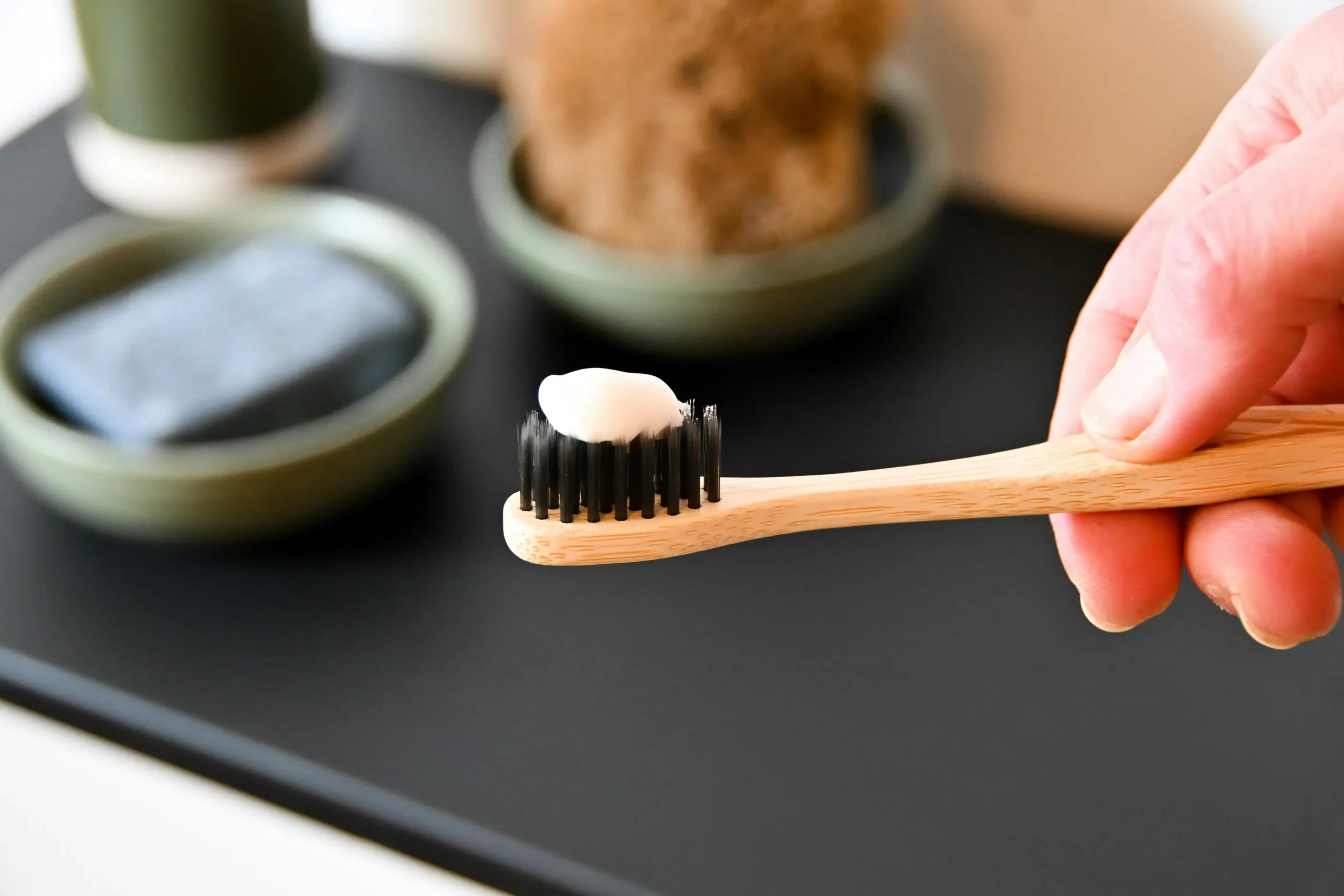
Here is a practical routine you can follow after treatment:
- Follow your dentist’s aftercare instructions for your specific whitening system.
- Avoid or reduce dark-coloured foods and drinks for the first 24 to 48 hours, unless advised otherwise.
- Brush twice daily with fluoride toothpaste.
- Clean between your teeth every day.
- Rinse with water after tea, coffee, wine or strongly coloured meals.
- Wait before brushing after acidic foods or drinks.
- Keep up with routine dental and hygiene appointments.
- Ask us before using the top-up whitening gel or new whitening products.
Small daily habits tend to protect whitening results better than occasional bursts of effort.
Common Mistakes to Avoid After Teeth Whitening
Even with good intentions, it is easy to overdo things. Whitening should never come at the expense of healthy teeth.
Avoid these common mistakes:
- Brushing aggressively to “keep teeth white”
- Using whitening gel more often than advised
- Buying unsafe whitening products online
- Trying DIY whitening hacks with lemon juice, charcoal or baking soda
- Ignoring sensitivity
- Whitening over untreated decay or gum problems
- Expecting crowns, veneers or fillings to change colour
- Skipping hygiene appointments
DIY whitening trends may look tempting, but many involve abrasive or acidic ingredients that may be unsafe for teeth and gums. Enamel needs careful protection, so harsh at-home methods are best avoided.
How to Keep Whitening Results Bright for Longer
The key takeaway is simple: whitening gives you the brighter shade, but maintenance helps you keep it.
If you want to know how to maintain teeth after whitening, focus on the basics. Brush well, clean between your teeth, limit heavy staining habits, rinse after darker drinks and keep up with professional dental care.
A bright smile should not require an unrealistic routine. With sensible aftercare and guidance from our team, you may be able to maintain a fresher-looking result for longer.