

Porcelain veneers may improve the appearance of teeth that are chipped, uneven, worn, discoloured or slightly misshapen. Before deciding whether they are right for you, it helps to understand what usually happens at each stage.
The porcelain veneers process usually takes more than one appointment. Depending on your case, it may involve assessment, smile planning, tooth preparation, temporary veneers, final bonding and aftercare. Each stage is intended to help identify issues that could affect comfort, appearance or long-term maintenance.
This article is for general guidance only and should not replace advice from your dentist. If you have sensitivity, gum problems, heavily restored teeth, bite concerns or ongoing dental issues, ask a dental professional before deciding whether veneers are suitable. Veneers may involve removing a small amount of enamel, so it is important to understand the risks, benefits and alternatives before treatment.
What Are Porcelain Veneers?
Porcelain veneers are thin, custom-made shells that are bonded to the front surface of teeth. They are commonly used to improve the appearance of tooth colour, shape, size and minor alignment concerns.
The NHS describes veneers as new facings for teeth that can disguise a discoloured or chipped tooth, with a thin layer of porcelain fitted over the front of the tooth. Its guide to dental veneers and other treatments also explains that the tooth surface may be prepared before a veneer is placed.
The Oral Health Foundation explains that veneers can be made from porcelain or tooth-coloured composite and are fixed to the front of the tooth. Its guide to what dental veneers are is useful if you are comparing cosmetic options.
The Porcelain Veneers Process at a Glance
Every case is different, but the process often follows this general order:
| Stage | What Usually Happens |
| 1. Consultation | Your teeth, gums, bite and smile goals are discussed |
| 2. Suitability checks | The dentist checks for issues such as decay, gum disease, grinding or enamel loss |
| 3. Smile planning | Shade, shape, size and tooth proportions are considered |
| 4. Tooth preparation | A thin layer of enamel may be adjusted to make room for the veneers |
| 5. Impressions or scans | Details are taken so the veneers can be made to fit your teeth |
| 6. Temporary veneers | Temporaries may be fitted while the final veneers are made |
| 7. Trial fit and bonding | The porcelain veneers are checked, adjusted if needed and bonded |
| 8. Aftercare | You receive advice on caring for the veneers and protecting your smile |
Step 1: Consultation and Smile Assessment
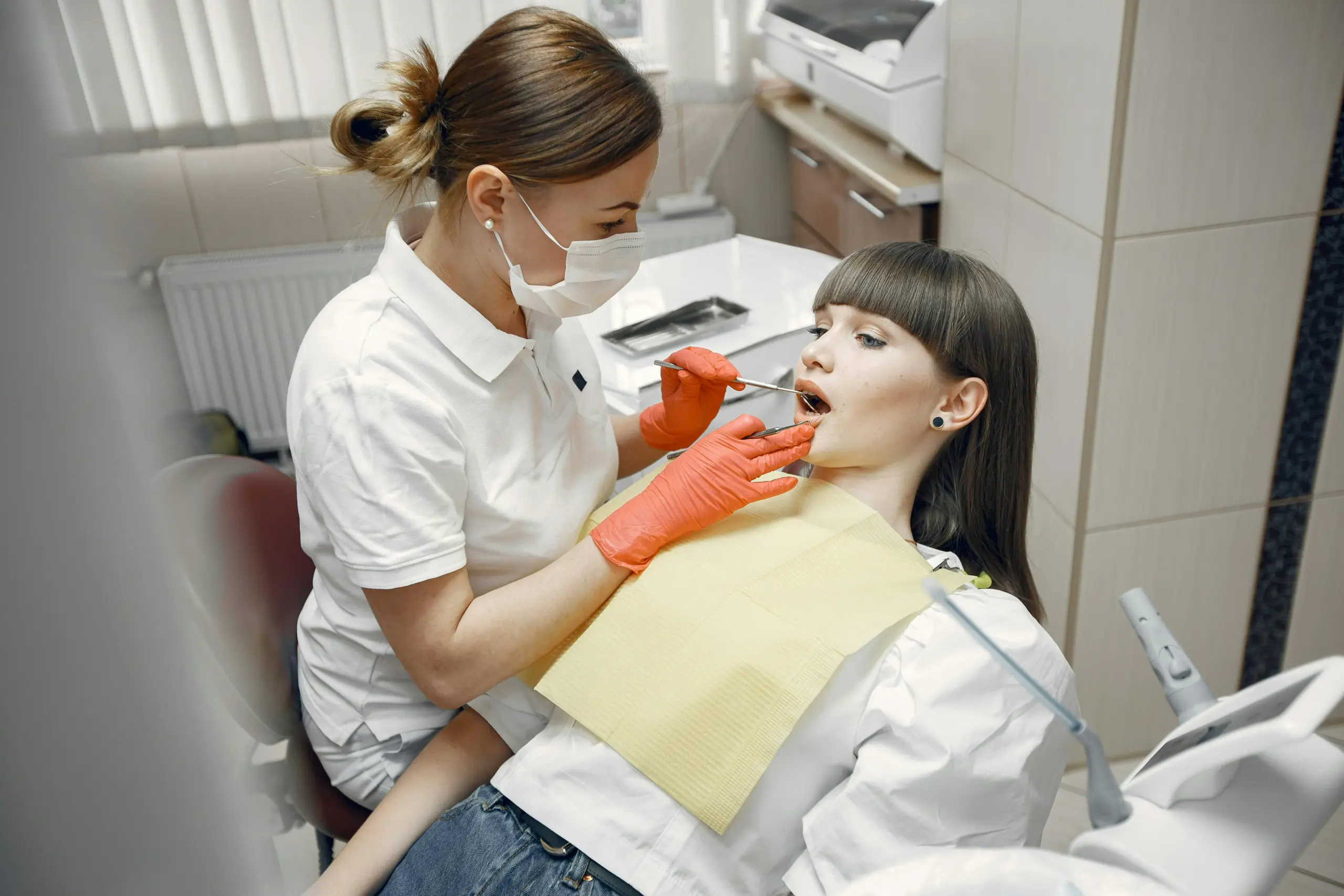
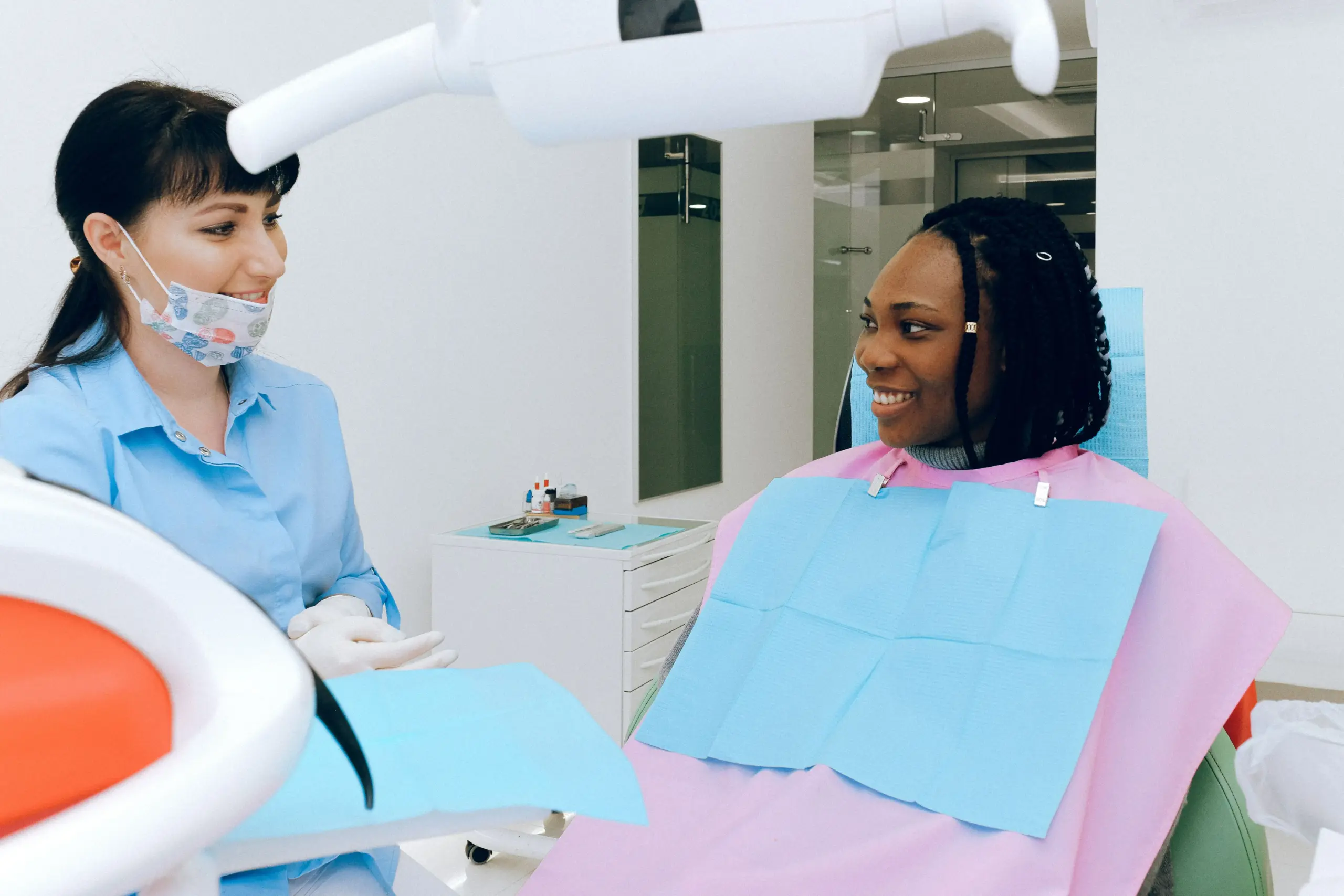
The first step is a consultation. This is where your concerns, goals and dental health can be reviewed before any decision is made about treatment.
During this kind of appointment, we may discuss:
- The teeth you would like to improve
- Your current tooth colour, size and shape
- Gum health
- Tooth sensitivity
- Existing fillings, crowns or bonding
- How your upper and lower teeth meet
- Whether you clench or grind your teeth
- Your expectations for the planned result
This stage is important because veneers should be planned around your oral health, not just the appearance of individual teeth.
If you are still learning about the treatment, our guide to what dental veneers are and how they work explains the basics in more detail.
Step 2: Checking Whether Veneers Are Suitable
Porcelain veneers can be a suitable option for some patients after assessment, but they are not right for every smile. A dental assessment may include checking your teeth, gums, enamel, bite and any existing restorations.
Veneers may be considered for:
- Chipped front teeth
- Worn tooth edges
- Stubborn discolouration
- Uneven tooth shape
- Small gaps between teeth
- Minor cosmetic alignment concerns
If you have untreated decay, active gum disease, significant enamel loss, heavy grinding or bite problems, these may need to be treated or assessed before veneers are considered. In some cases, another treatment may be more suitable first.
For example, if teeth are significantly crooked, alignment may need to be discussed before veneers. Our article on whether you need straight teeth for veneers explains why this depends on your starting point.
Step 3: Planning the Shade, Shape and Smile Design
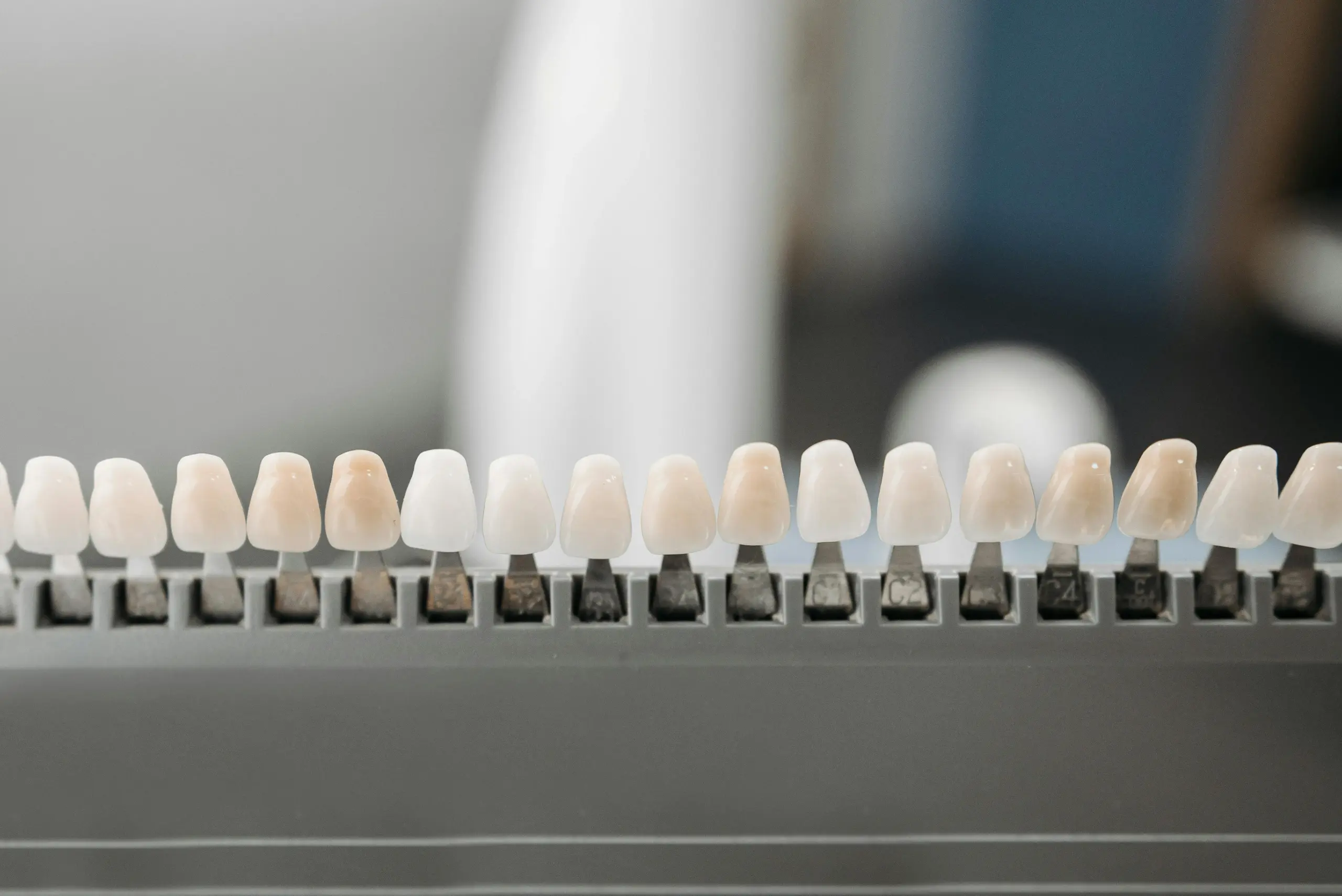
Once suitability has been checked, the next part of the porcelain veneers process is planning the expected appearance.
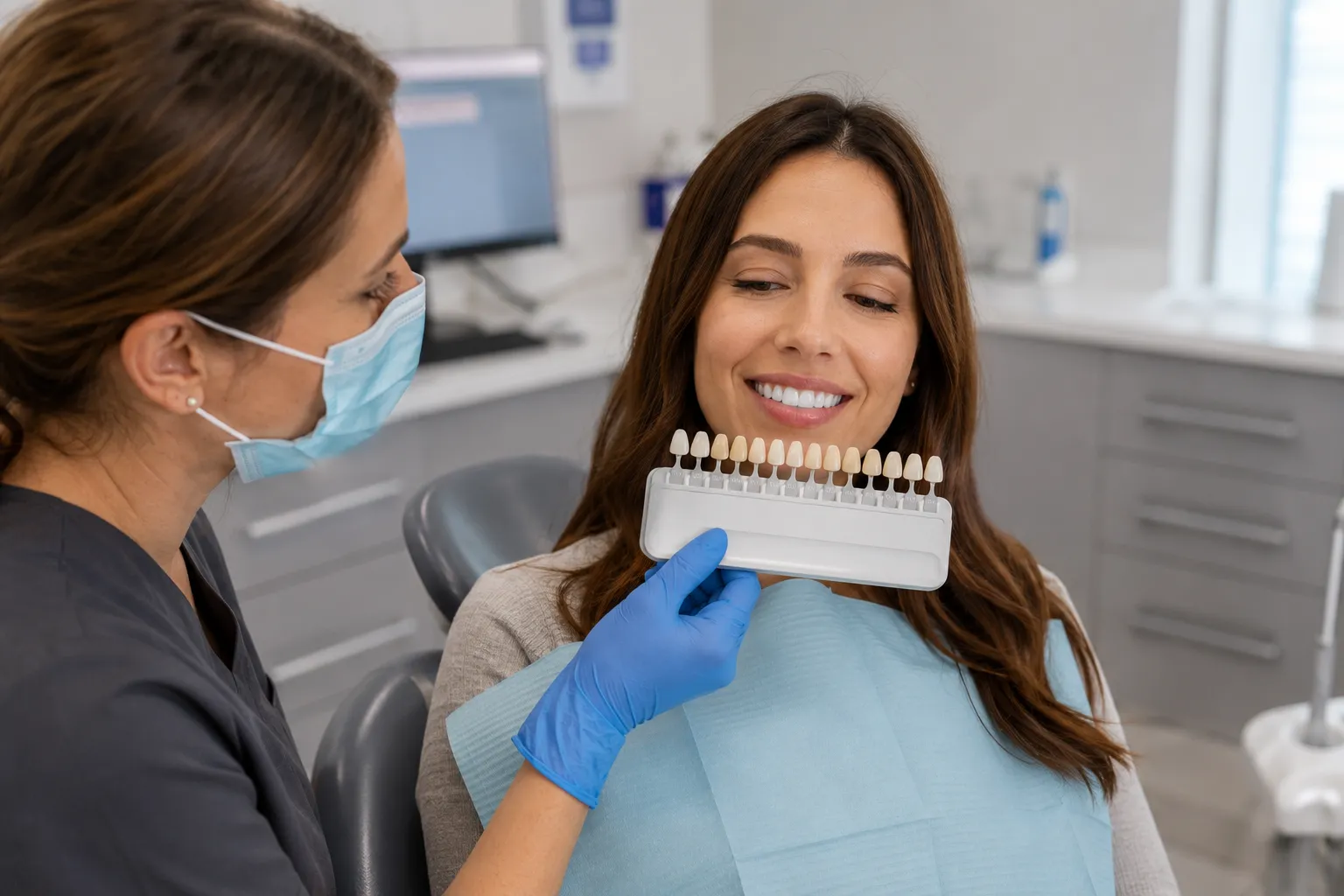
This is not about choosing the brightest shade possible. A well-planned result should work with your face, lips, gums and existing teeth. Shade, shape and tooth length all affect how the final smile looks.
Planning may include:
- Photographs of your teeth and smile
- Shade matching
- Impressions or digital scans
- Discussion of tooth shape and proportions
- Review of how many teeth may need veneers
- Consideration of whitening before veneers, if appropriate
This stage helps reduce the risk of veneers looking too bulky, too bright or out of balance with the rest of your smile.
Step 4: Tooth Preparation
For many porcelain veneers, a very thin layer of enamel is carefully removed from the front surface of the tooth. This helps create space for the veneer so it does not look or feel bulky.
The amount of preparation varies. Some cases need minimal preparation, while others need more adjustment because of tooth position, tooth shape or existing dental work.
Your dentist should explain what preparation is likely to involve before treatment begins. This matters because enamel does not grow back, and porcelain veneers may not be fully reversible once the teeth have been prepared.
Step 5: Impressions, Scans and Temporary Veneers
After tooth preparation, impressions or digital scans are taken. These are used to create veneers that fit your teeth closely.
Your veneers are usually made in a dental laboratory. While you wait for the final porcelain veneers, temporary veneers may be fitted. Temporaries help protect the prepared teeth and give you an early idea of the planned shape.
Temporary veneers are not as strong or refined as the final porcelain version. While wearing them, you may need to avoid very hard, sticky or crunchy foods. If a temporary veneer feels loose or your bite feels uncomfortable, contact the practice for advice.
Step 6: Trial Fit and Final Bonding
When your porcelain veneers are ready, they are checked before being bonded.
At this stage, the dentist may assess:
| What Is Checked | Why It Matters |
| Fit | Helps the veneer sit securely and comfortably |
| Shade | Checks the colour works with your smile |
| Shape | Affects the overall balance of the teeth |
| Length | Can influence speech, bite and appearance |
| Bite | Helps reduce pressure on the veneers |
| Gumline | Helps the result look more natural |
Once the fit and appearance are suitable, the veneers are bonded to the teeth using dental adhesive. The bite is checked again, and small refinements may be made if needed.
Step 7: Review and Aftercare
After your veneers are fitted, your teeth may feel slightly different at first. This usually settles as you get used to the new shape and surface.
Good aftercare helps protect both the veneers and the natural teeth underneath. A systematic review published on PubMed Central looked at long-term survival rates for porcelain laminate veneers and highlights why planning, material choice and maintenance all matter. You can read more about survival rates for porcelain laminate veneers.
Aftercare advice may include:
- Brushing twice daily with fluoride toothpaste
- Cleaning between your teeth every day
- Avoiding hard objects such as pens, fingernails or ice
- Wearing a night guard if advised, especially if you clench or grind
- Attending routine dental and hygiene appointments
- Seeking advice if a veneer feels loose, rough or uncomfortable
Porcelain is generally more stain-resistant than natural enamel, but veneers and the surrounding teeth still need care. Coffee, tea, red wine and smoking may still affect the appearance of your overall smile.
How Long Does the Porcelain Veneers Process Take?
The full porcelain veneers process usually takes a series of appointments, especially where preparation, temporaries and laboratory-made veneers are involved. The exact timing depends on your oral health, the number of veneers, whether preparation is needed and how the laboratory work is arranged.
A typical journey may include:
- Consultation and assessment
- Smile planning
- Tooth preparation
- Impressions or digital scans
- Temporary veneers
- Final fitting and bonding
- Review and aftercare advice
Some people need additional steps first, such as hygiene treatment, whitening, orthodontic assessment or replacement of older restorations. It is better to plan carefully than rush a treatment that affects your smile long-term.
Professional Support for Porcelain Veneers
Porcelain veneers work best when they are planned around oral health as well as cosmetic goals. This includes checking your gums, bite, enamel, existing dental work and long-term maintenance needs.
Our porcelain veneers treatment page explains more about the treatment and gives you a starting point for discussing suitability with our team. Where appropriate, we can talk you through the likely stages, possible alternatives and how veneers may be cared for after treatment.
If you are considering veneers, visit our porcelain veneers page to learn more about the treatment and what may be involved before deciding whether to book a consultation.
What to Remember About the Porcelain Veneers Process
The porcelain veneer process involves much more than choosing a new shade. It includes suitability checks, smile planning, careful tooth preparation, laboratory work, bonding and long-term care.
The decision should be based on your oral health, treatment goals and the advice given after assessment. With careful planning and realistic expectations, porcelain veneers may help improve the appearance of chipped, discoloured, uneven or worn teeth while staying in keeping with your existing teeth, face shape and smile line.
If you are thinking about veneers, start with a proper consultation so you can understand what may be involved before making a long-term decision about your teeth.