

This article is for general information only and should not replace personalised advice from a dentist or orthodontic clinician. If your aligners do not fit properly, it is best to seek advice before changing trays, forcing an aligner into place or trying to adjust it yourself.
If your Invisalign aligners are not tracking, it means your teeth are not fitting into the aligner as closely as expected at that point in your treatment. You might notice a small gap between the tray and the tooth, or one area of the aligner may not sit properly.
This can be frustrating, especially if you have been trying to follow your treatment plan carefully. The important thing is not to panic, but not to ignore it either. Clear aligners depend on close fit, consistent wear and regular monitoring to guide teeth through planned movements.
First, What Does Poor Invisalign Tracking Look Like?
Tracking describes how well your teeth are following the planned movement in your aligners. When your aligners are tracking well, they should feel snug and sit closely over your teeth.
When tracking is off, the tray may still go in, but it does not fully match where your teeth are.
Common signs include:
- A visible gap between the aligner and the edge of a tooth
- One tooth is not sitting fully inside the tray
- An aligner feels loose in one area but tight elsewhere
- Attachments not lining up with the spaces in the aligner
- A tray that keeps lifting away from the teeth
- Increasing difficulty when moving to the next aligner
A small gap at the start of a new tray may not always mean there is a serious problem, but it should improve as the aligner seats. The concern is when the fit does not improve, becomes worse, or affects the way later aligners sit.
Why Tracking Matters During Invisalign Treatment
Invisalign treatment works by using a series of clear aligners to apply planned pressure to the teeth. Invisalign’s guidance on clear aligner wear time explains that Invisalign clear aligners generally need to be worn for around 22 hours a day.
That wear time matters because removable aligners only work while they are in your mouth. If they are not worn as advised, or if they do not fit closely enough, some teeth may not move as planned.
Poor tracking does not always mean treatment has failed. Often, it simply means something needs checking before the mismatch becomes harder to correct.
Why Invisalign Aligners May Stop Tracking
There is not always one single cause. Sometimes it is a wear-time issue. Sometimes a tooth is responding more slowly than expected. Sometimes the aligner itself is the problem.
Wear Time Has Dropped
Because Invisalign aligners are removable, it is easy for daily wear time to slip without you realising. Longer meals, frequent snacking, forgotten overnight wear or leaving trays out for drinks can all reduce the pressure needed to move teeth.
The NHS guide to orthodontic treatments explains that removable braces and aligners need to be worn as instructed. If wear time drops, the next aligner may not fit as closely as expected.
The Next Tray Was Started Too Soon
Changing aligners early can cause tracking problems because the teeth may not be ready for the next stage. Even if the tray goes in, it may not sit correctly.
If you feel tempted to move ahead because the current aligner feels comfortable, it is still best to follow the change schedule you were given.
A Tooth Is Moving More Slowly Than Planned
Some teeth take longer to move, particularly if they are rotated, small, crowded or need more complex movement. This does not always mean there is a serious problem.
Teeth do not always move at exactly the pace predicted in the plan. It may mean the tooth needs more time, closer monitoring or a refinement later in treatment.
An Attachment Has Changed
Attachments are small tooth-coloured shapes placed on certain teeth to help aligners grip and guide movement. If one comes off, becomes worn or no longer lines up properly, the aligner may not apply pressure in the intended way.
If you notice a change to an attachment, it is better to contact us rather than waiting until your next planned appointment.
The Aligner Has Been Damaged or Warped
Aligners can change shape if exposed to heat or handled roughly. Hot water, a warm car, a radiator, or carrying aligners loose in a pocket or bag can affect the fit.
A damaged aligner may not track properly, even if your teeth are moving as expected.
When Is It a Minor Fit Issue, and When Should You Ask for Advice?
Some tightness or small spaces can happen when you first change to a new tray. What matters is whether the aligner begins to seat better as you wear it.
| What may be normal | What needs advice |
| Mild pressure after changing trays | A gap that does not improve |
| Slight tightness for the first few days | One tooth is clearly not fitting the tray |
| Aligner seats fully with careful placement | Tray will not sit down properly |
| Fit improves during the wear period | Fit gets worse over time |
| Temporary speech change | Attachments no longer line up |
If you are unsure, it is safer to ask. A quick check can help identify whether a small fit issue needs attention before it becomes harder to manage.
What Should You Do If Invisalign Aligners Are Not Tracking?
A sensible next step is to contact the clinician supervising your treatment, especially if the gap does not improve. It is best not to force the aligner into place, trim it yourself or skip ahead to another tray unless your clinician has advised this.
A sensible approach may include:
- Look closely at the fit
Check whether the gap is around one tooth, several teeth or an attachment. - Review your wear time honestly
If your aligners have been out longer than planned, say so. This helps us understand what may have affected the fit. - Do not move ahead without advice
Moving ahead too soon may make the fit harder to assess or manage. - Keep the affected aligners
Bring your current, previous and next aligner if you are asked to attend a review. - Contact us if the gap remains
If the aligner still does not fit well after consistent wear, it is worth getting it checked.
Our guide on tips to optimise your Invisalign treatment covers practical habits that can help support consistent aligner wear.
Should You Wear the Previous Aligner Again?
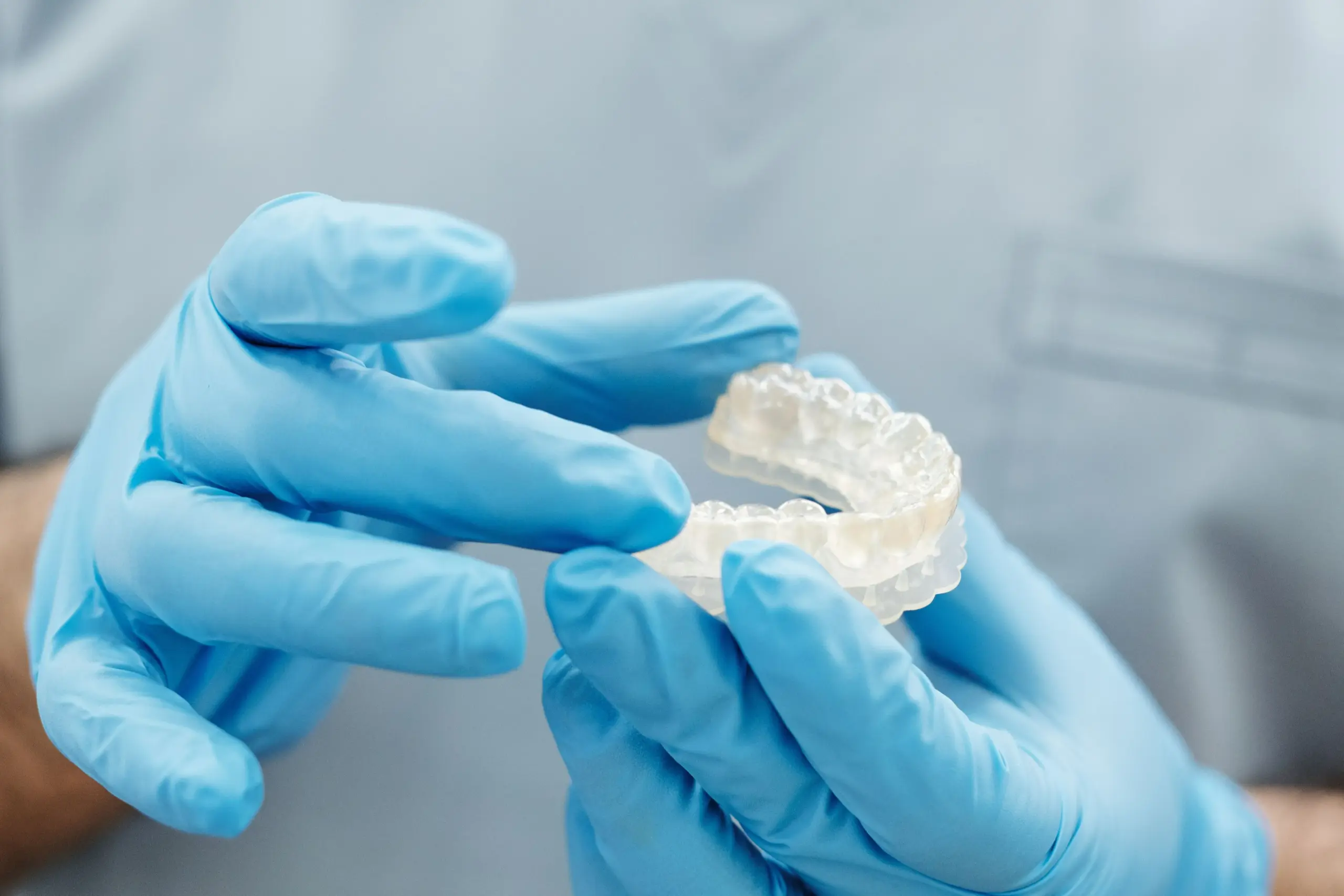
Sometimes, a clinician may advise going back to a previous aligner for a short period. However, this should not be a DIY decision.
Going back without advice may not solve the reason tracking has gone off. For example, the issue could be a missing attachment, aligner damage or a tooth that needs a different approach.
If your current tray does not fit properly, contact us first so we can advise based on your treatment plan.
Will Poor Tracking Mean You Need Refinements?
Possibly, but not always. Refinement aligners may be recommended in some clear aligner cases when teeth need further movement or fine-tuning.
Refinements do not necessarily mean anything has gone wrong. They are one way of adjusting the plan to match how your teeth have responded in real life.
Whether refinements are needed depends on your teeth, bite, aligner fit and treatment goals. This can only be confirmed after an assessment.
How We Check Invisalign Tracking Problems
If you contact us about Invisalign aligners not tracking, we may look at several things before advising on the next step.
This can include:
- How your current aligner fits
- Whether attachments are still in place
- Whether the tray is damaged or warped
- How many hours you are wearing the aligners
- Whether the previous aligner fits better
- Whether a tooth has stopped following the planned movement
- Whether your bite has changed during treatment
At a review, it can help to bring your current aligner, previous aligner and next aligner so we can compare how each tray is fitting.
If you are already having treatment with us, our Invisalign treatment page explains more about how clear aligner care fits into the wider treatment process.
We can explain whether your current tray should be continued, whether the fit needs reviewing, or whether another step may be more appropriate. Treatment advice should always be based on your own teeth and plan.
How to Reduce the Risk of Tracking Issues
You cannot control every part of tooth movement, but you can reduce avoidable tracking problems with good habits.
Try to:
- Wear your aligners for the time advised
- Remove them only when needed for eating, drinking and cleaning
- Store them in their case when they are out
- Avoid cleaning them with hot water
- Follow your change schedule
- Attend review appointments
- Report broken attachments early
- Keep your teeth and aligners clean
The NHS advice on braces and orthodontics notes that braces can trap food and make cleaning more important. With aligners, keeping both the trays and teeth clean helps support comfort and oral health during treatment.
For simple day-to-day care, our guide on how to clean Invisalign braces explains how to look after your aligners properly.
When Should You Contact Us?
You should contact us if your aligner does not fit properly, if a gap is not improving, if an attachment has come off, or if you are unsure whether to move to the next tray.
It is also worth getting advice if you have lost an aligner, damaged a tray, missed wear time or noticed that several teeth no longer seem to match the aligner.
Small tracking changes can become more difficult to correct if left too long. Getting advice early is usually the most sensible approach.
When Poor Tracking Needs a Professional Check
If your Invisalign aligners are not tracking, it usually means your teeth are not following the planned movement as closely as expected. Sometimes this can be a small fit issue. Other times, it may point to missed wear time, a damaged aligner, an attachment problem or a tooth that is moving more slowly than planned.
The safest approach is to avoid guessing. Keep wearing your aligners as advised, do not force trays into place, and contact us if the fit does not look or feel right.
Many tracking concerns can be reviewed early, so the next step can be planned before the issue affects later aligners. An early review can help us decide whether you should continue with the current tray, adjust your routine or review the next step in your plan.