

The best teeth whitening option is not necessarily the strongest product or the treatment promising the quickest transformation. It should suit your oral health, the type of staining you have, your sensitivity levels and the result you would realistically like to achieve.
For some people, a professional clean may be enough to improve surface staining. Others may benefit from dentist-supervised whitening at home or treatment carried out in a dental practice.
There is no single option that is right for every smile. A dental assessment should come before choosing a whitening treatment.
Why Do Teeth Become Stained?
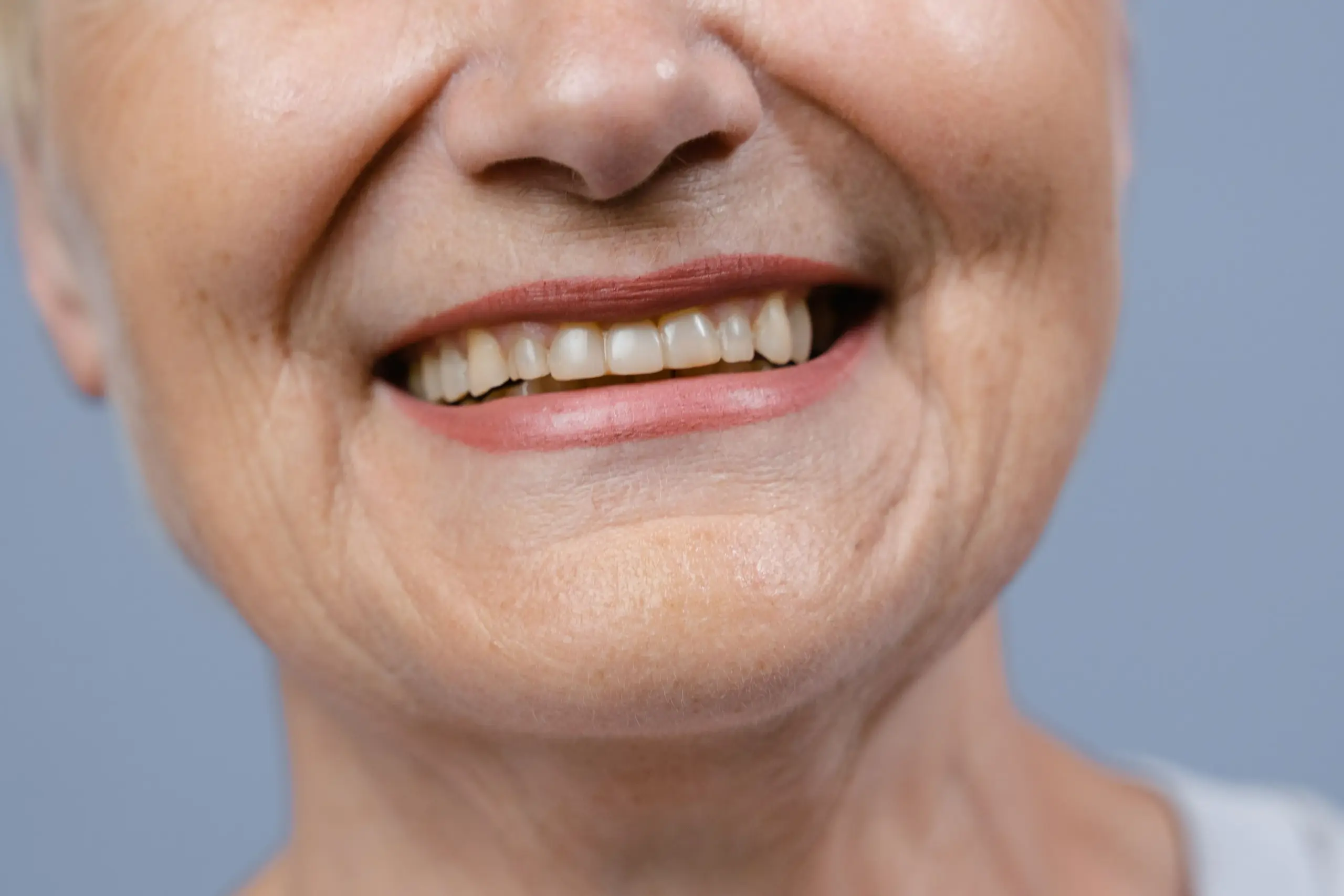
Natural tooth colour varies considerably from person to person. Teeth may also appear darker over time because of ageing, plaque or frequent exposure to substances such as tea, coffee, red wine and tobacco.
Dental discolouration is generally divided into two types:
- Extrinsic staining develops on the outer surface of the teeth and is often associated with food, drinks, tobacco and plaque.
- Intrinsic discolouration occurs within the tooth and may be linked to ageing, dental trauma, tooth development or certain medicines.
This distinction matters because not every product can address every type of discolouration. Our guide to whether teeth whitening removes stains explains why some marks respond more readily than others.
Teeth Whitening Options Compared
| Whitening option | Often suitable for | Possible result | Main limitation |
| Professional cleaning | Plaque, tartar and external stains | A cleaner, fresher appearance | Does not bleach the natural tooth shade |
| Whitening toothpaste | Mild surface staining and maintenance | Usually a subtle improvement | Cannot provide the same effect as dentist-prescribed bleaching |
| Shop-bought strips, pens or kits | People looking for a lower-cost home product | Results vary | Fit, ingredients and product quality differ |
| Dentist-provided whitening trays | Gradual whitening at home | A controlled and adjustable colour change | Requires consistent use |
| In-practice whitening | People who prefer treatment in a dental setting | An initial colour change may be visible sooner | Sensitivity can occur |
| Internal whitening | Certain darkened, root-filled teeth | A targeted improvement | Only appropriate in selected cases |
| Veneers or composite treatment | Discolouration that bleaching cannot correct | Masks colour and may alter tooth shape | These are not whitening treatments |
Which Teeth Whitening Option Could Suit You?
Professional Cleaning for Surface Deposits
A professional clean can remove plaque, tartar and some external staining that ordinary brushing cannot shift.
This may make the teeth look cleaner and brighter, but it does not change the natural colour of the enamel. If the underlying tooth shade is the main concern, whitening treatment may still be needed.
Whitening Toothpaste for Mild Staining
Whitening toothpastes mainly work by removing surface stains rather than bleaching the teeth. They may help maintain a clean appearance, but the result is usually more limited than professional whitening.
Some whitening toothpastes rely on abrasive ingredients to polish the tooth surface. Formulations vary, so follow the product instructions and ask your dental team for advice if you have sensitivity, gum recession or worn enamel.
Shop-Bought Whitening Products
High-street and online whitening products include strips, pens, powders, gels and LED mouthpieces. Their ingredients, fit and contact with the teeth can vary considerably.
An LED light alone is not evidence that a product will be more effective. The whitening ingredient still performs the main bleaching action.
A systematic review comparing whitening strips with supervised home bleaching found that supervised home treatment produced a greater instrument-measured colour change. However, the difference was not detectable by the unaided eye. This does not establish one treatment as universally better, but it highlights the value of choosing a suitable product and following professional instructions.
Dentist-Provided Home Whitening Trays
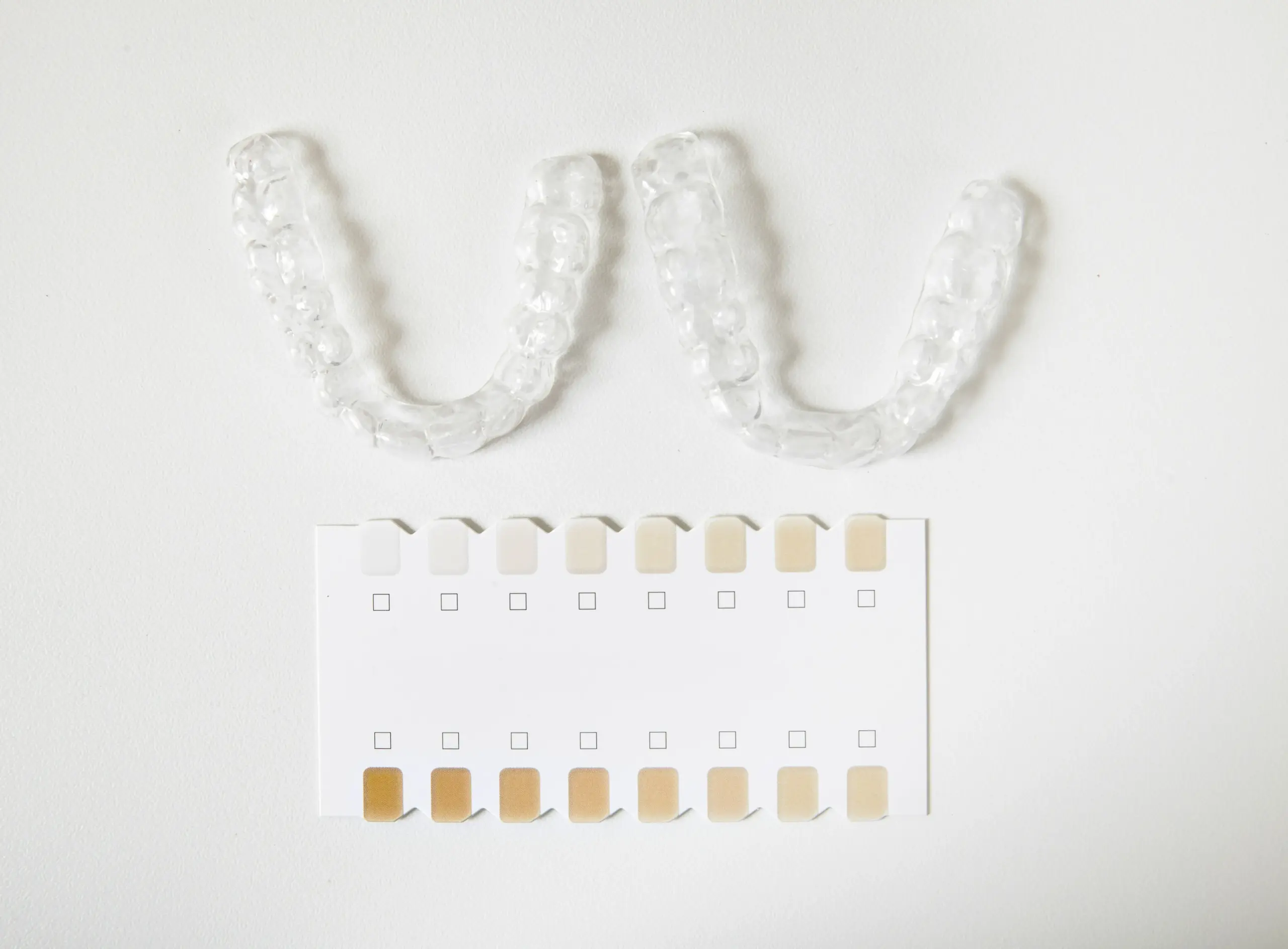
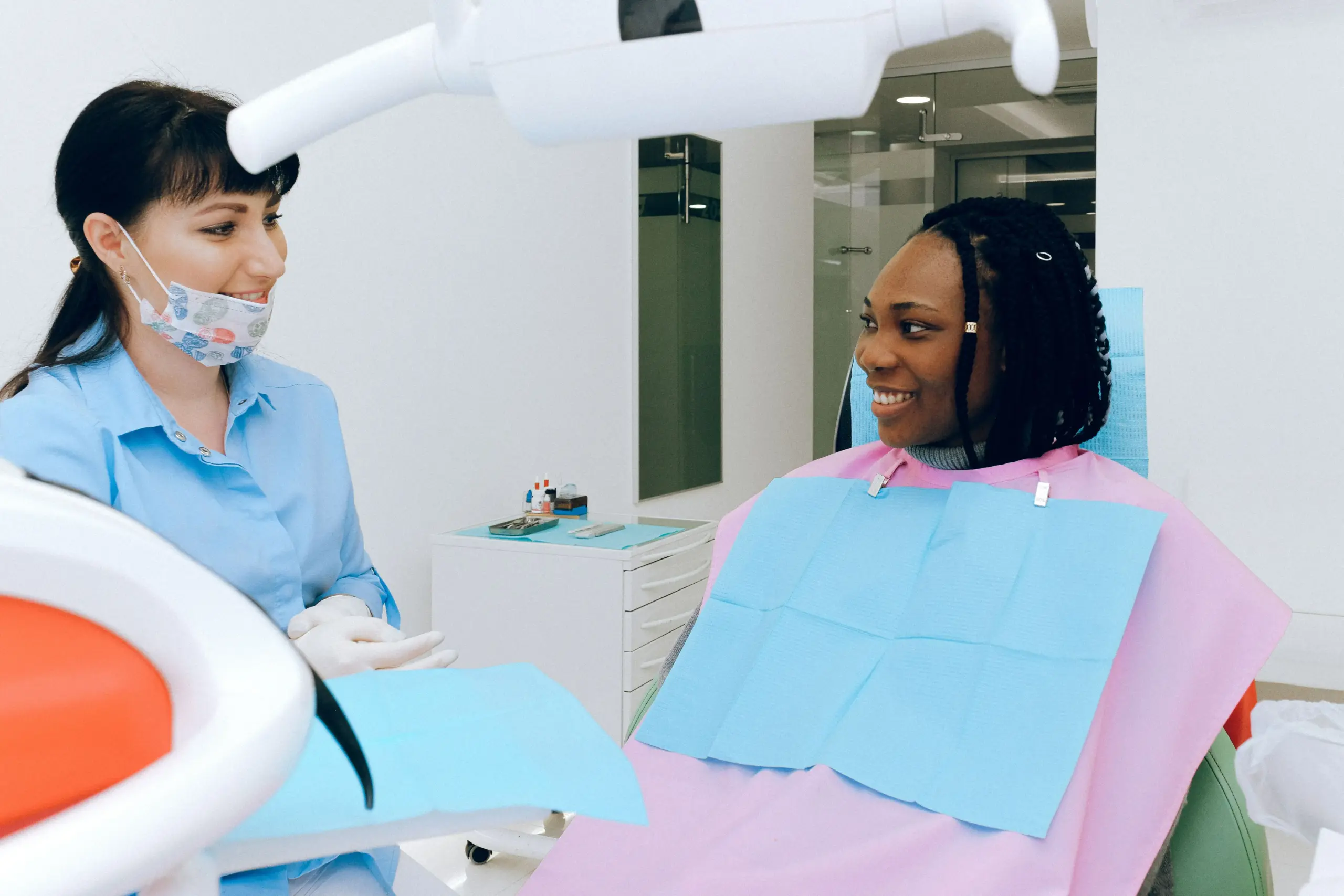
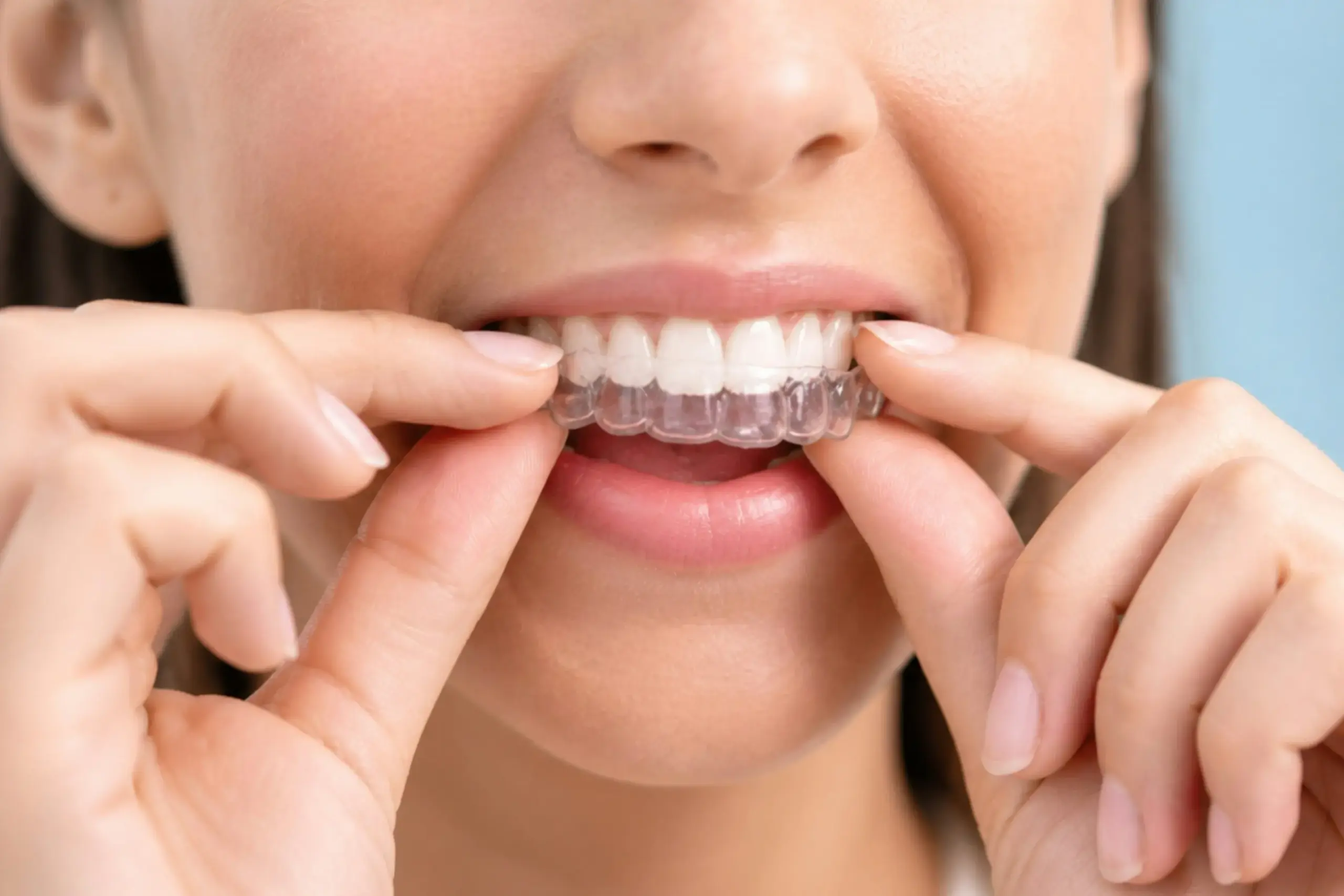
Dentist-provided whitening normally begins with an examination of your teeth, gums and existing dental work. Custom trays can then be made to fit closely around your teeth, and you will be shown how much gel to use and how long to wear them.
For suitable adults who prefer to whiten gradually at home, custom trays may offer a useful balance of professional supervision, convenience and control over the final shade.
Treatment still requires patience and consistent use. Wearing the trays for longer or adding more gel than instructed will not necessarily improve the result.
In-Practice Whitening
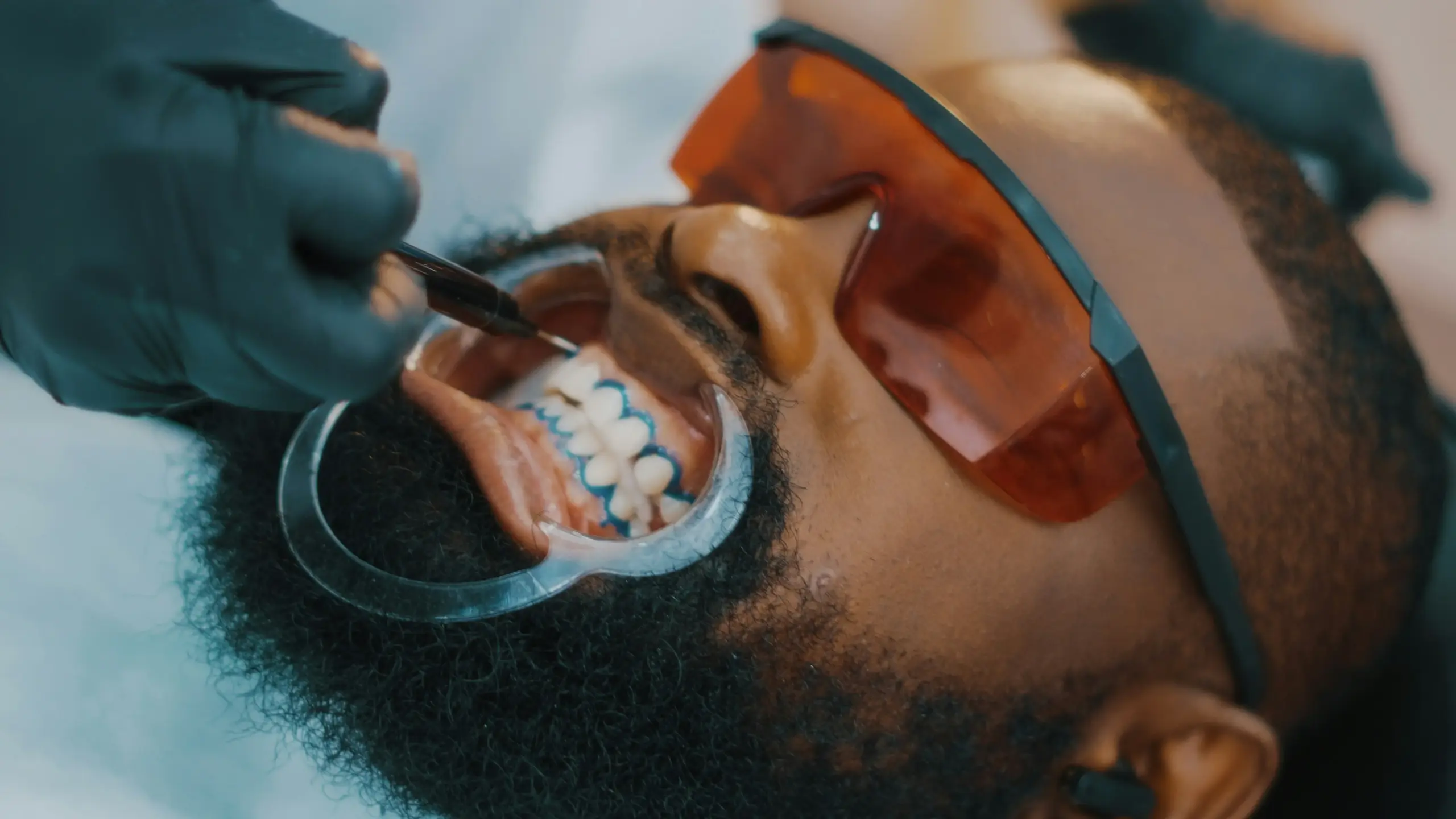
Some professionally applied treatments are designed to produce an initial colour change during a dental appointment. Whitening gel is applied while the gums and surrounding tissues are protected.
Results and treatment plans vary according to the system used, your starting shade and the cause of the discolouration. Temporary sensitivity can also occur.
Internal Whitening for One Dark Tooth
A tooth may become darker following an injury or root canal treatment. Ordinary whitening may not improve this type of discolouration evenly.
After the tooth has been examined, internal whitening may be considered for certain root-filled teeth. Suitability, alternatives and potential risks must be discussed individually.
Four Checks Before Choosing Teeth Whitening
Step 1: Identify What You Want to Change
Consider whether you are concerned about general yellowing, surface staining or one tooth that looks darker than the rest.
External deposits may respond to professional cleaning. Generalised discolouration or a single dark tooth may require another approach.
Step 2: Check Your Teeth and Gums
Before whitening, a dentist should check for decay, gum disease, damaged teeth and restorations that may need attention.
The NHS guidance on teeth whitening advises that a dentist should confirm whether your teeth and gums are healthy and whether whitening is suitable before treatment begins.
Step 3: Consider Existing Sensitivity
Temporary sensitivity to cold or sweet food and drinks is a recognised side effect of whitening. Gum discomfort may also occur if the gel reaches the soft tissues.
Tell your dental team if you already experience sensitivity, gum recession, worn enamel or cracked teeth. Our guide to the causes and management of sensitive teeth provides further information about why dental sensitivity may develop.
Step 4: Review Existing Dental Work
Whitening gel changes the shade of natural tooth tissue. It does not lighten crowns, veneers, dentures, implants or tooth-coloured fillings.
This can leave existing restorations looking different from the surrounding teeth. If you are considering other cosmetic dental treatment, whitening may need to be planned first so that new restorations can be matched to the final shade.
When Teeth Whitening May Not Be Appropriate
Whitening may need to be delayed or avoided if you have:
- Untreated tooth decay
- Active gum disease
- Cracked or damaged teeth
- Leaking fillings
- Significant gum recession
- Severe or unexplained sensitivity
- Extensive enamel wear
- Restorations that will not match the intended shade
- Expectations that bleaching cannot realistically meet
NHS guidance advises against teeth whitening during pregnancy or while breastfeeding.
Cosmetic tooth-whitening products containing or releasing more than 0.1% hydrogen peroxide must not be used for people under 18. A narrow legal exception may apply where treatment is wholly intended to treat or prevent disease, but this requires professional clinical judgement.
The General Dental Council’s guidance on tooth whitening also explains that whitening must be provided by a registered dental professional. Treatment offered by an unregistered provider is illegal and may put your teeth and gums at risk.
How Long Can Whitening Results Last?
Teeth whitening is not permanent. How long the result lasts will depend on factors such as your original tooth shade, oral hygiene, diet, smoking habits and the treatment used.
To help maintain the result:
- Brush twice daily with fluoride toothpaste.
- Clean between your teeth each day.
- Attend routine dental and hygiene appointments.
- Reduce frequent exposure to strongly coloured food and drinks where practical.
- Avoid smoking.
- Follow your dentist’s personalised aftercare and top-up instructions.
Do not use more gel or extend the wearing time beyond your dentist’s instructions. Doing so may increase sensitivity or gum irritation without improving the result.
What Is the Best Teeth Whitening Option?
For mild external staining, professional cleaning and a suitable toothpaste may be sufficient.
For suitable adults who want to whiten gradually at home, dentist-provided trays may offer a convenient, supervised option. Some people may prefer professionally applied treatment in a dental setting, while a single darkened tooth may require a more targeted approach.
The right choice depends on the cause of the discolouration, the health of your teeth and gums, your existing dental work and the type of result you hope to achieve.
Through our professional teeth whitening service, we can assess your teeth and gums, discuss what you would like to change and explain which options may be appropriate. Visit our page to arrange a consultation and find out whether whitening is suitable for your teeth.
This article provides general information about cosmetic tooth whitening. It is not a substitute for a dental examination, diagnosis or personalised treatment advice. Whitening suitability and results vary according to oral health, existing dental work and the cause of discolouration.