

Invisalign and fixed braces can both move teeth into healthier, more balanced positions, but they approach treatment differently.
Invisalign uses a sequence of removable clear aligners. Traditional fixed braces use brackets and wires that remain attached to the teeth throughout treatment. The visible difference is easy to understand, but appearance is only one part of the decision.
The most appropriate option depends on the movements your teeth require, the position of your bite, your oral health and how reliably you can follow the treatment plan. A full dental and orthodontic assessment is therefore more useful than choosing an appliance based on photographs or advertising alone.
The Main Differences Between Invisalign and Braces
| Factor | Invisalign clear aligners | Fixed metal braces |
| Appliance | Removable transparent trays | Brackets and wires fixed to the teeth |
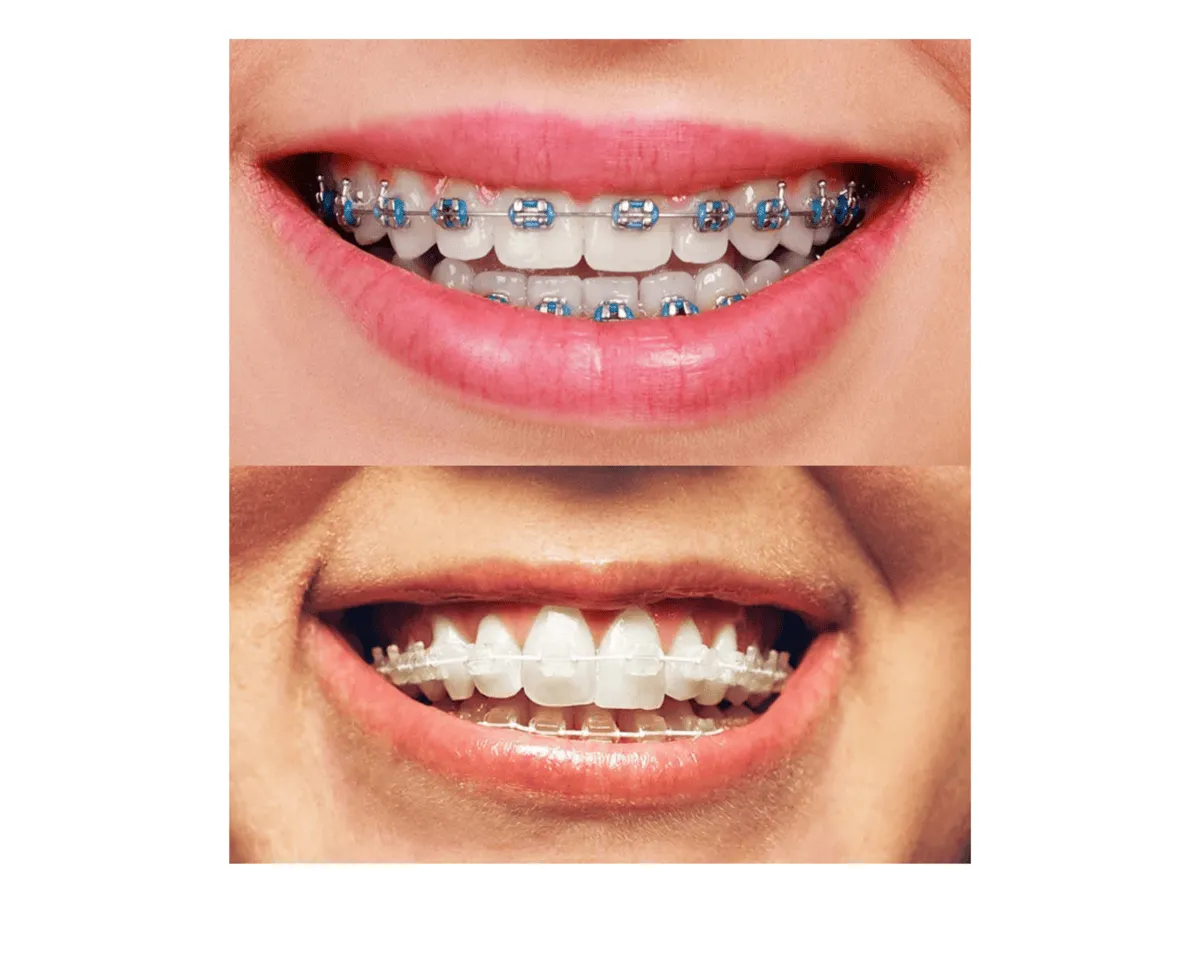
| Visibility | Discreet, but not completely invisible | Clearly visible |
| Eating | Removed for meals and most drinks | Remain in place while eating |
| Cleaning | Removed for brushing and interdental cleaning | Extra care is needed around brackets and wires |
| Daily responsibility | Must be worn for the prescribed time | Work continuously because they cannot be removed |
| Adjustments | New aligners are used throughout treatment | Wires and other components are adjusted |
| Suitability | Can treat many cases after assessment | May offer greater control for some movements |
| Retainers | Required after active treatment | Required after active treatment |
The table highlights the practical differences, but it cannot show which appliance your teeth and bite require.
How Does Each Treatment Work?
How Invisalign Moves Teeth
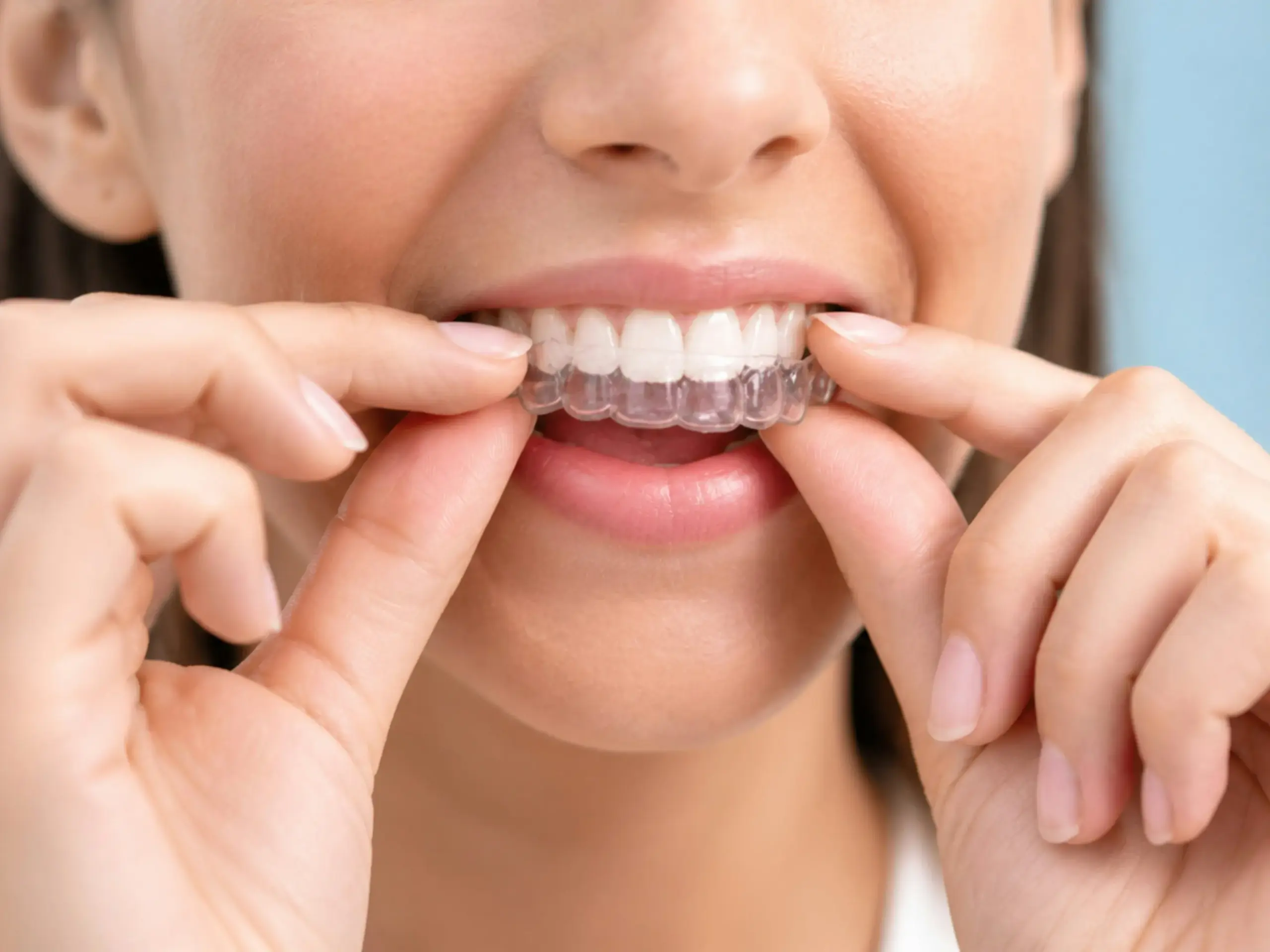
Invisalign is a brand of clear-aligner treatment. It uses a planned series of close-fitting trays, with each aligner applying controlled pressure to selected teeth.
The aligners are changed according to the schedule provided by your clinician. Tooth-coloured attachments may also be placed on some teeth to help the aligners grip and create particular movements. Certain treatment plans may require elastics or other supporting techniques.
Our guide to how clear aligners work provides a closer look at the planning and aligner process.
How Fixed Braces Move Teeth
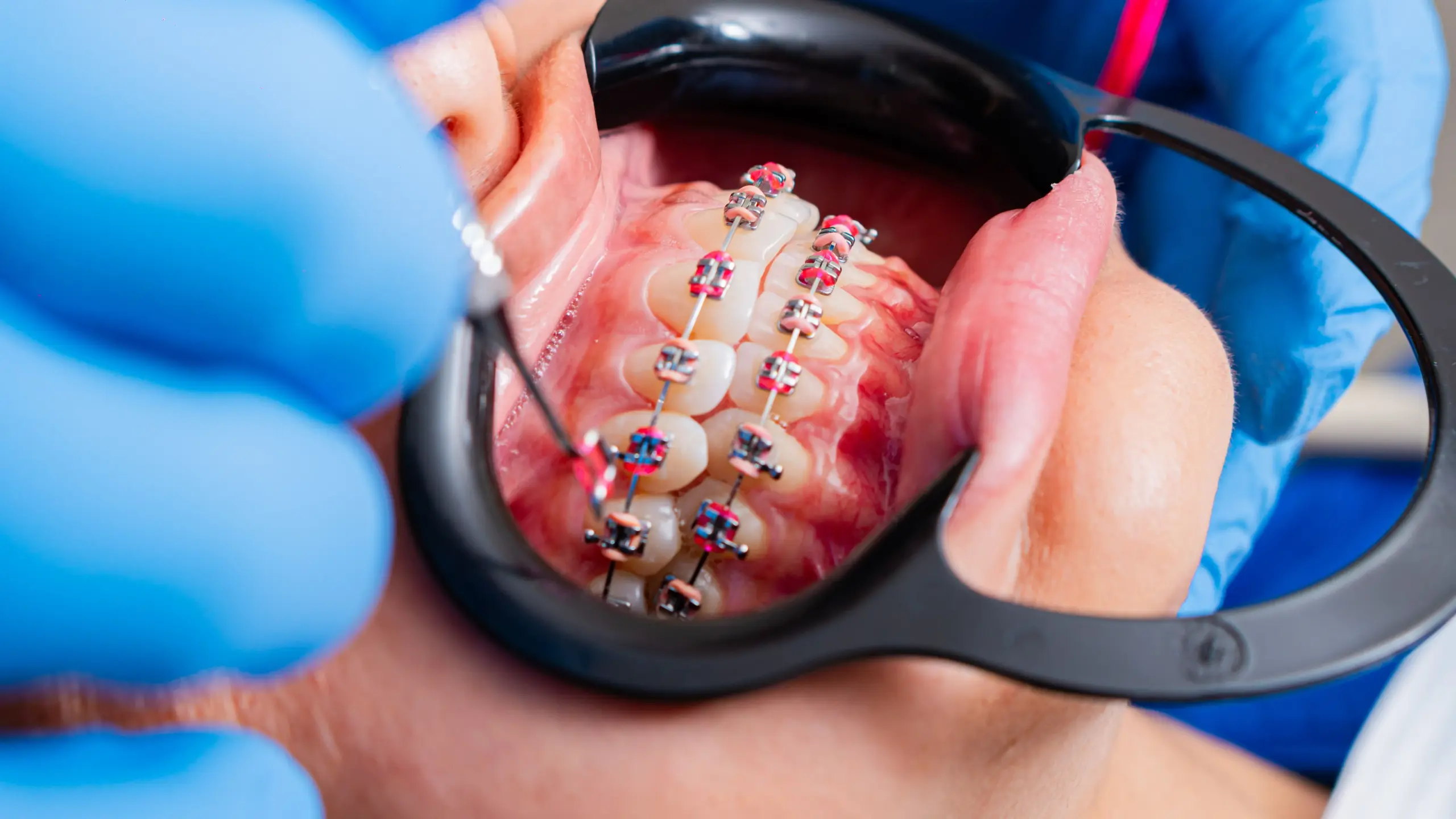
Fixed braces use small brackets attached to the teeth and a wire that passes through them. The wire and supporting components are adjusted during treatment to guide the teeth towards their planned positions.
Because fixed braces remain attached, their effectiveness does not depend on remembering to wear them each day. You still need to attend appointments, clean carefully and avoid repeatedly damaging the appliance.
How Do Invisalign and Braces Affect Daily Life?
Appearance
Clear aligners are less noticeable than metal braces, which is an important consideration for many adults. They are not completely invisible, particularly when attachments or elastics are required.
Fixed metal braces are more obvious. Ceramic or lingual braces may provide less visible alternatives, although they have their own advantages, limitations and costs.
Your preference matters, but the least visible option may not always be the most suitable one for the movements required.
Eating and Drinking
Invisalign aligners are generally removed for meals and for drinks other than plain water, unless your clinician advises otherwise. This means there are fewer restrictions on what you can eat.
However, aligners must be stored safely and returned to the mouth afterwards. Leaving them out too often may affect treatment progress.
Fixed braces stay in place while you eat. Hard, sticky and chewy foods can damage brackets or wires, so some foods may need to be avoided or cut into smaller pieces.
Cleaning Your Teeth
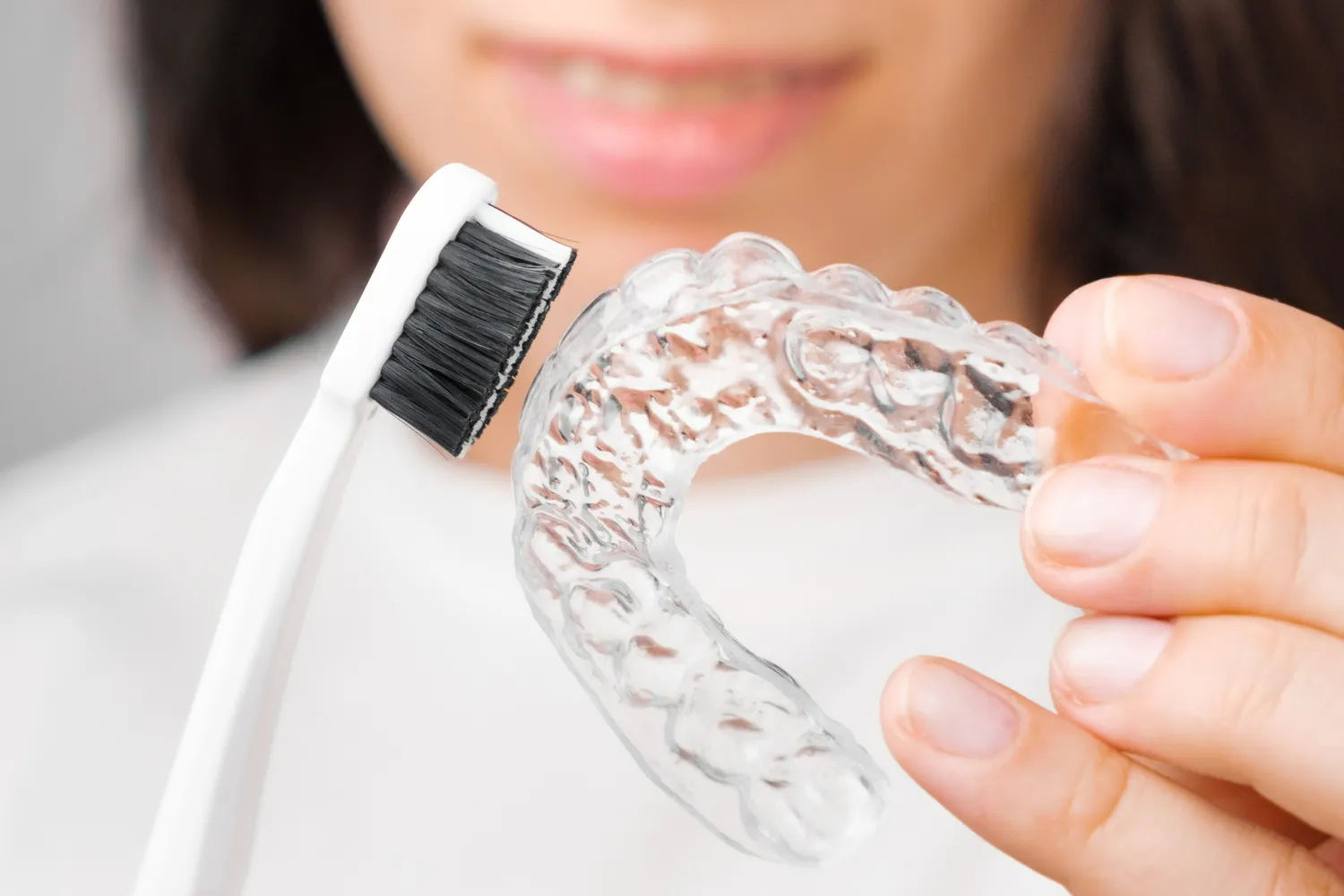
Removing aligners can make normal brushing and interdental cleaning more straightforward, but good oral hygiene is still essential. The aligners must also be cleaned as instructed and should not be placed over unclean teeth.
Fixed braces create additional areas where plaque and food can collect. Interdental brushes and other recommended cleaning aids may be needed around the brackets and beneath the wire.
Our advice on looking after fixed braces covers cleaning, eating and what to do if part of the appliance becomes damaged.
The NHS guidance on braces and orthodontics explains why maintaining healthy teeth and gums is essential before and during orthodontic treatment.
Comfort and Speech
Both treatments can cause pressure or tenderness as the teeth begin to move.
Aligners do not have brackets or wires, but they may still cause tightness, temporary speech changes or local irritation, particularly when a new set is fitted.
Fixed braces may initially rub against the lips or cheeks. Tenderness can also occur after adjustments, and a broken wire or bracket may need prompt attention.
Neither option should be described as painless. Most early discomfort is temporary, but persistent or severe pain should be reported to your dental team.
Which Option Can Treat More Complex Problems?
Complexity is determined by the movements needed, not simply by how crooked the teeth look.
The British Orthodontic Society’s guidance on clear aligners explains that aligners are commonly used for mild to moderate crowding and spacing. More complex movements, severe crowding, significant bite concerns or plans involving extractions may require fixed appliances, additional techniques or a combined approach.
That does not mean every complex case must use metal braces. Clear-aligner systems have developed considerably, and some more involved cases can be treated with careful planning and suitable supporting techniques.
Equally, a concern that appears minor in the mirror may involve the bite, tooth roots or supporting tissues. Clinical records are needed before suitability can be determined.
Is Invisalign Faster Than Braces?
Neither treatment is automatically faster.
Treatment length can be influenced by:
- The starting position of the teeth
- The type of bite correction required
- How the teeth respond biologically
- Consistent aligner wear
- Broken brackets or lost aligners
- Missed review appointments
- Changes required during treatment
A systematic review of clear aligners and fixed appliances found no clear difference in overall treatment duration for mild to moderate crowding, although the certainty of the available evidence was limited.
Any estimated timescale should therefore be treated as a guide rather than a guarantee.
What Are the Main Risks of Orthodontic Treatment?
All orthodontic treatment has potential risks.
Poor plaque control can contribute to tooth decay, permanent white marks on the enamel and gum problems. Tooth movement may also cause some shortening of the roots, although the extent varies between patients.
Teeth can move again after treatment, particularly when retainers are not worn as instructed. Other possible concerns include temporary discomfort, damage to appliances and changes to existing restorations.
Your individual risks, likely benefits and alternative options should be explained before you consent to treatment.
How Should You Compare the Cost?
Headline prices do not always include the same services, so ask for a written treatment plan.
Check whether the proposed fee covers:
- The initial consultation and clinical records
- Scans, photographs or X-rays where needed
- Brace adjustments or planned aligner sets
- Additional aligners or refinements
- Emergency appointments and repairs
- Retainers and post-treatment reviews
- Any payment-plan fees or conditions
The least expensive initial quote may not represent the lowest total cost. Suitability and the quality of ongoing clinical care should remain central to the decision.
Which Treatment Fits Your Routine?
Invisalign may suit you when:
- You prefer a discreet, removable appliance.
- Your planned tooth movements are suitable for aligners.
- You can wear the trays for the prescribed time.
- You will remove, store and replace them reliably.
- You want to brush and clean between your teeth without brackets in the way.
Fixed braces may be more appropriate when:
- The required movements benefit from a fixed appliance.
- Consistent aligner wear may be difficult.
- You prefer an appliance that remains in place.
- You can adapt your cleaning and eating habits.
- Your clinician recommends fixed treatment after examining your bite.
These points can help you prepare for a consultation, but they cannot establish which treatment you need.
Retainers Are Essential After Both Options
Orthodontic treatment does not prevent teeth from moving again.
Once active treatment ends, retainers help hold the teeth in their new positions while the surrounding tissues adjust. Depending on your needs, you may be advised to wear removable retainers, fixed retainers or both.
Follow the recommended wearing schedule and contact your dental team if a retainer is lost, broken or no longer fits. Retention is important whether your teeth were straightened with Invisalign or fixed braces.
What Should Decide Between Invisalign and Braces?
Invisalign provides a discreet and removable approach, while fixed braces remain in place and may offer useful control for certain movements.
The appliance that appears most convenient may not be the one best suited to your bite. The decision should be based on a clinical assessment, realistic expectations and your ability to follow the treatment and aftercare instructions.
Our orthodontic treatment options include fixed braces and removable clear aligners. We can examine your teeth and bite, discuss what you would like to change and explain which approaches may be suitable. Visit the service page to learn more and arrange a consultation with our team.
This article provides general information and does not replace a dental examination, orthodontic diagnosis or personalised treatment advice. The suitability, risks, benefits, treatment time, cost and likely result of Invisalign or braces vary between patients. A dental professional must assess your teeth, gums and bite before recommending treatment.