


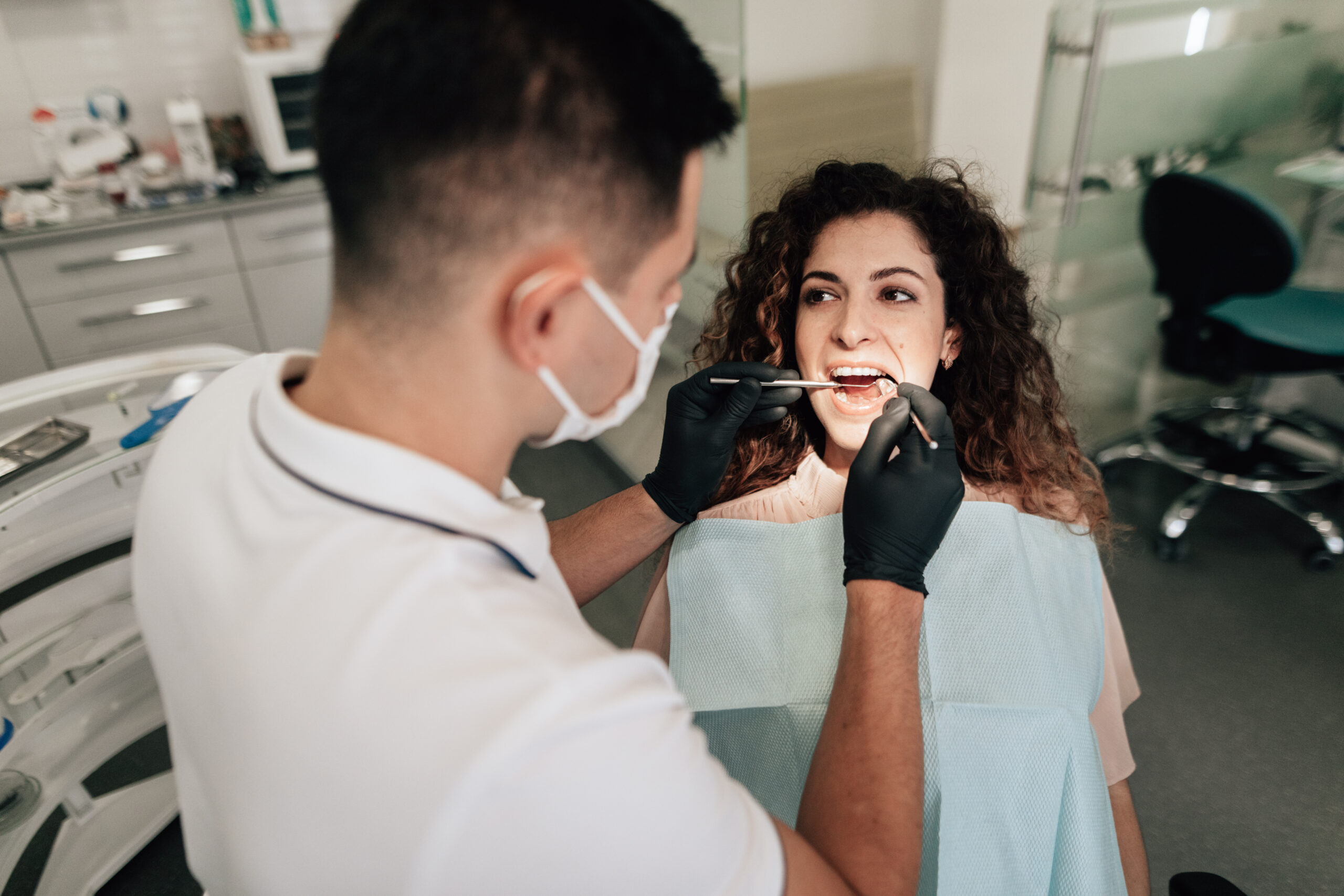
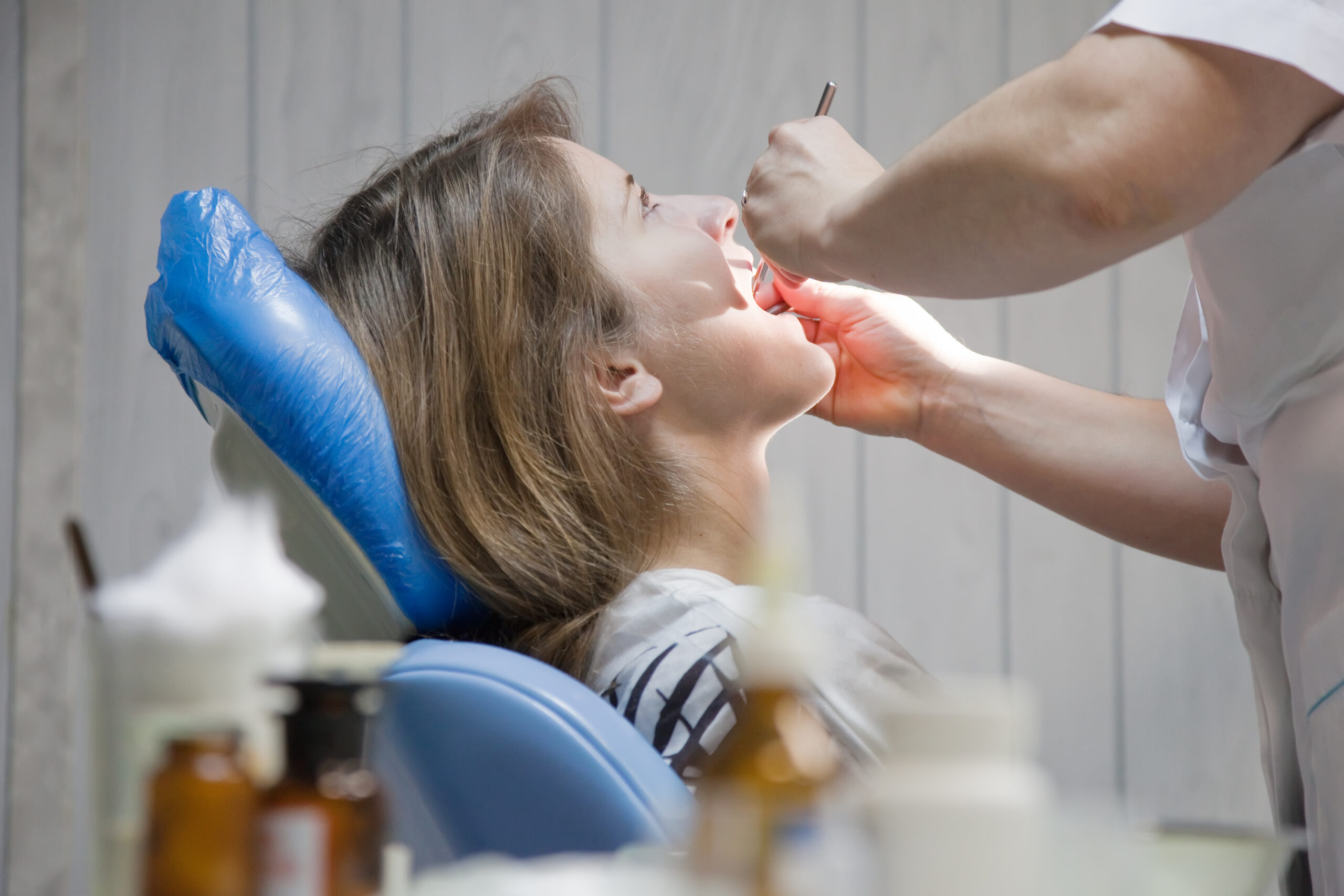
At a routine exam; your teeth, gums and mouth will be checked in detail and you will also be screened for signs of any oral cancer. We will also ask you about your general health and if you’ve had any problems with your teeth, mouth or gums since your last visit.
301 – 5* Reviews

Routine Examination
You may even be given advice on your diet, smoking and alcohol use, as well as teeth-cleaning habits. Sometimes, we may recommend a hygienist visit or some dental x-rays to check beneath the surface to where your dentist cannot see.
Toothache / Pain Relief Appointment
We continually accept new patients. Whether it be due to a change of dentist, new to the area or are currently having a toothache, sometimes, emergencies happen and we are here to help. Some x-rays may be recommended after an in-depth discussion of any problems you may have or had.
Scaling And Polish
This can be used to remove stubborn stains from the teeth as well as plaque and calculus (tartar). You can also have a scale and polish to simply polish the teeth. This everyday procedure helps to prevent the development of gum diseases such as gingivitis and periodontitis. Depending upon your needs, the next recommended time to re-attend for a scale and a polish will be offered to you along with the appropriate oral hygiene instructions.

Digital X-Rays/Radiographs
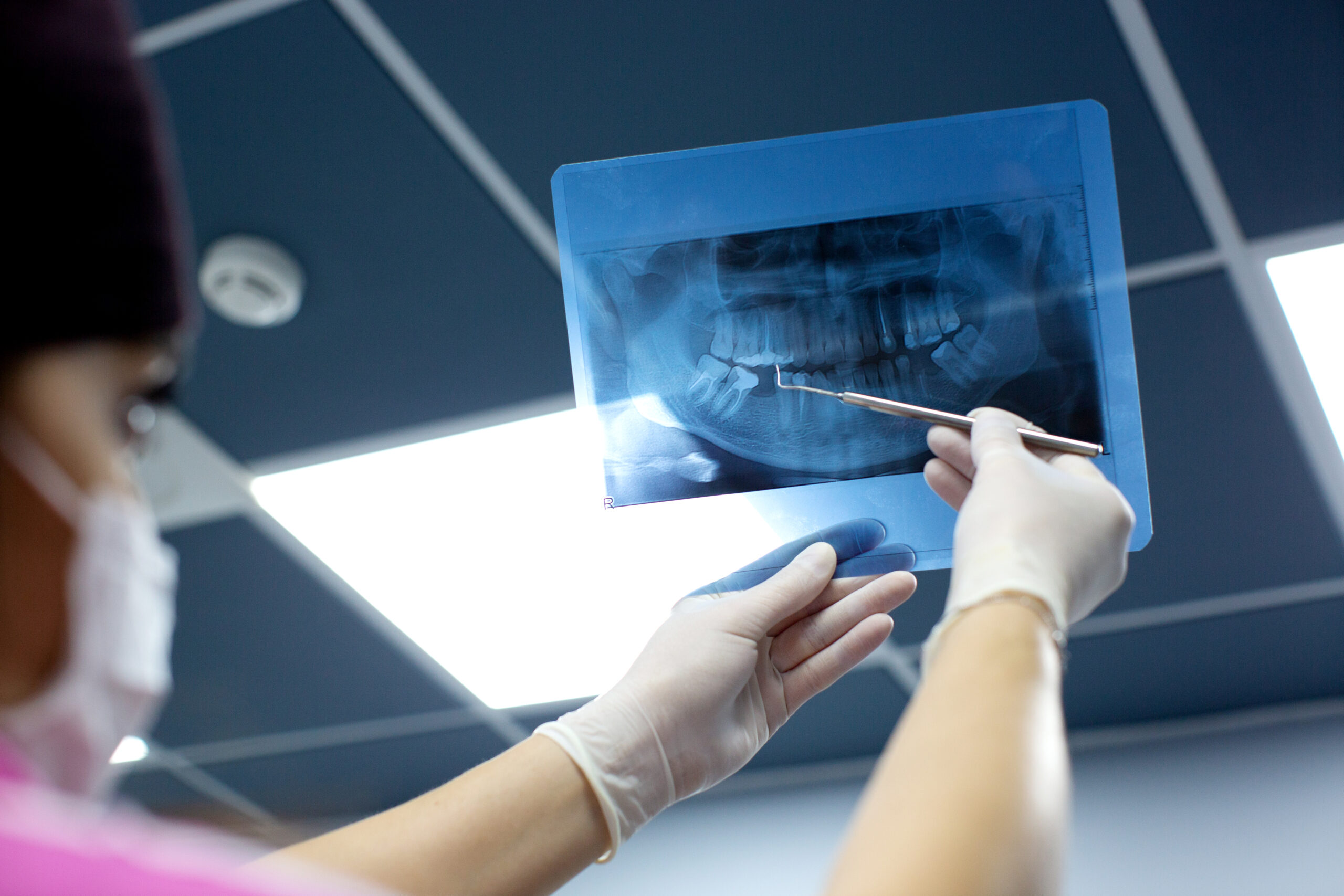
Sometimes during a dental treatment, specific x-rays of teeth and the surrounding tissues may be required. An accurate risk assessment is always undertaken to ensure the most accurate and low dose radio graphs are being taken. Routine x-rays are taken at routine examinations usually either every 6,12,18 or 24 months. Craig uses digital x-rays to ensure the safest and most accurate method of examining is taken place.
Crowns
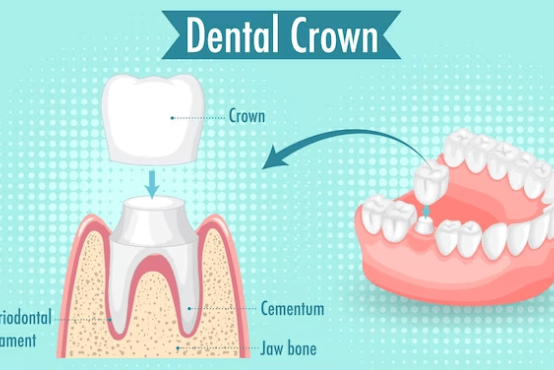
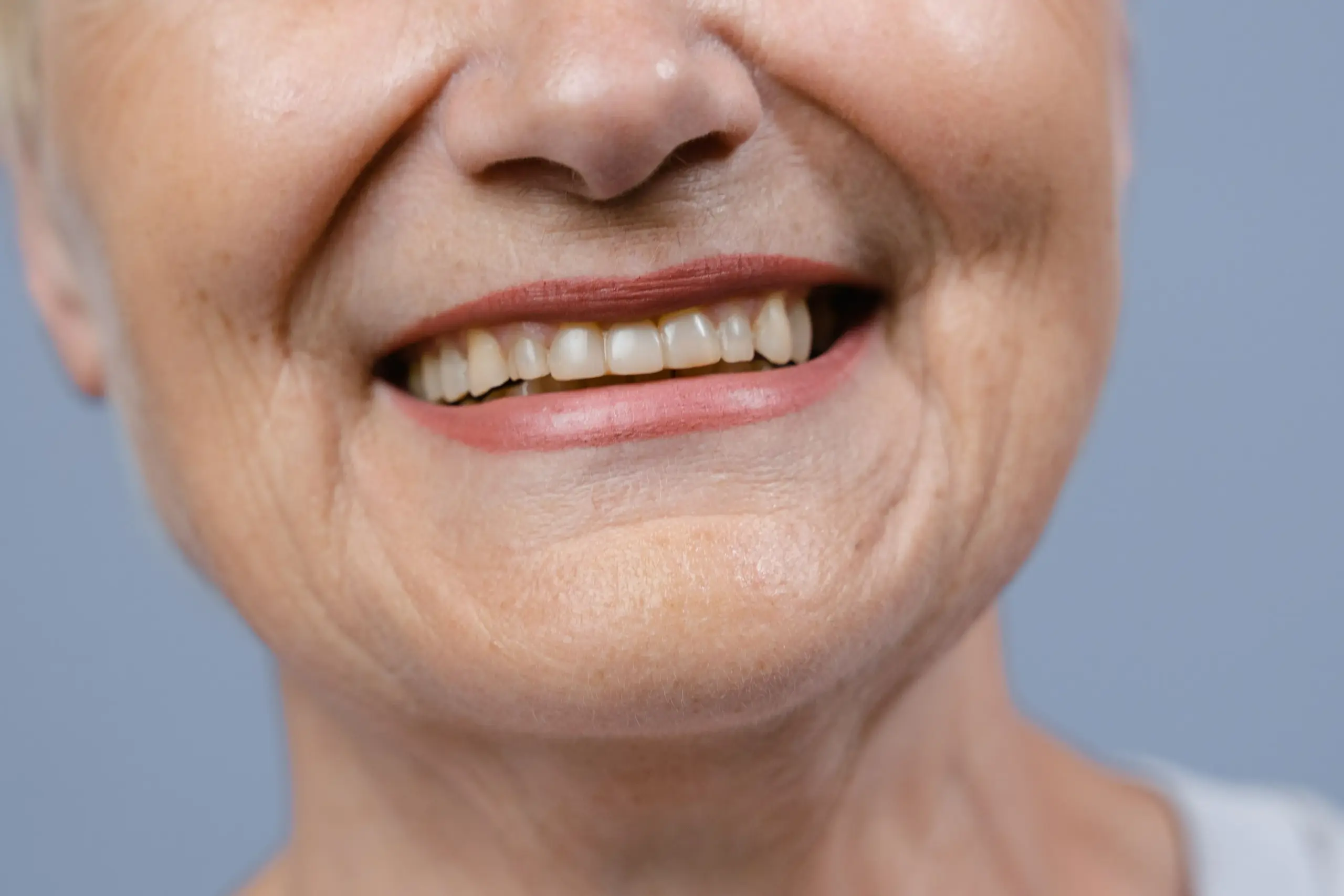
A crown is used to cap or completely cover a tooth that has lost most of its structure due to being heavily filled or restored. There are gold crowns, ceramic fused to metal crowns and completely ceramic crowns. Gold crowns have become more uncommon due to high demands for tooth coloured and natural looking crowns. All ceramic crowns are well known for their superior aesthetic properties. They look very natural as they absorb and reflect light like a natural tooth and therefore are more appealing. They are completely tooth coloured which prevents any grey shadowing at the gum margin.
When decay spreads deep into a tooth, root canal treatment is often what saves it, and it is one of several ways a dentist fixes a rotten tooth. The aim of this treatment is to remove all infections from within the root canal. Within this procedure the root is cleaned and filled to prevent any further infection. Root canal treatment is a skilled and time-consuming procedure. At the first appointment, the infected pulp is removed and any abscesses can be drained. The root canal is then cleaned and shaped ready for the filling. A temporary filling is put in and the tooth is left to settle. The tooth is checked at a later visit when all infections have been cleared, the tooth is then permanently filled or sometimes covered with a crown.
There are three ways to replace missing teeth. A dental implant, a bridge or a denture. Bridges can require removal of some tooth tissue from the teeth either side of the gap, therefore these teeth need to be solid and can end up being less sound than before. Some bridges require no removal of tooth tissue and can simply be placed in the gap.
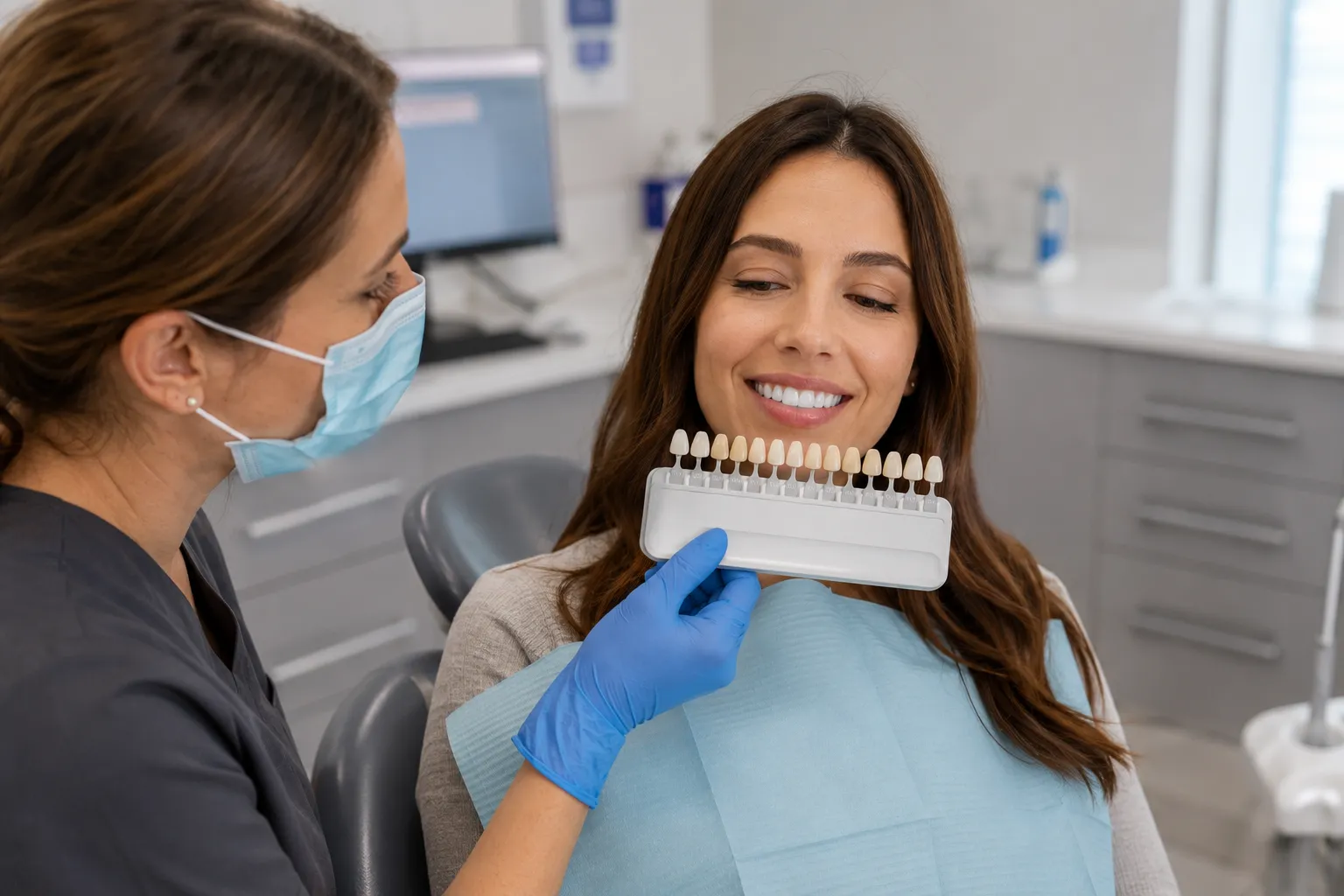
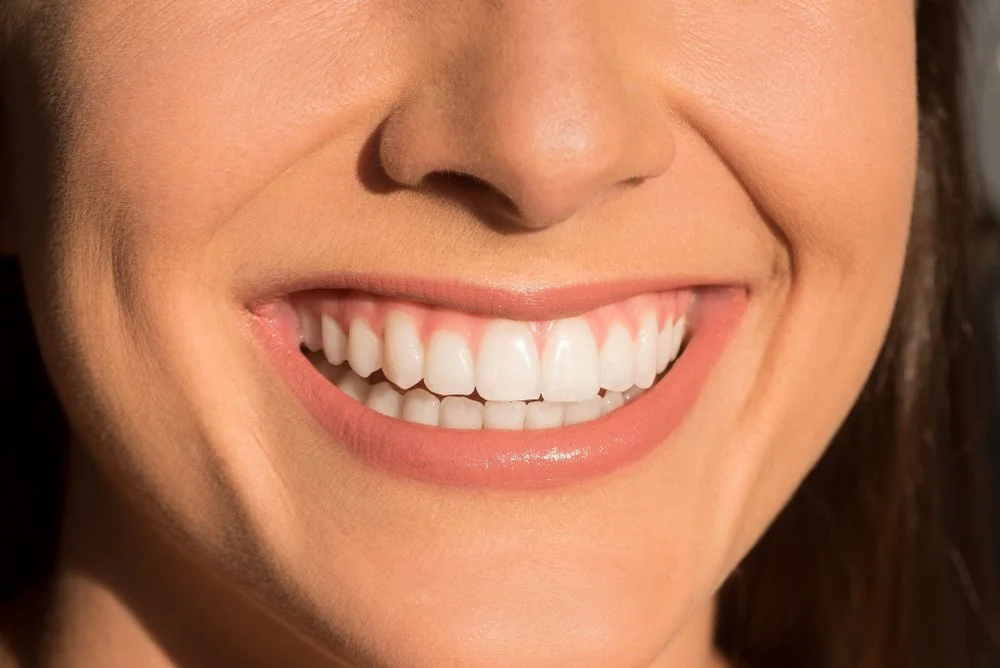
Veneers are thin layers of porcelain or ceramic that are bonded to a natural tooth, the procedure is very similar to a false nail being placed on a finger. They can be used to adjust the colour, shade, shape and position of a tooth or teeth. Veneers are often used in smile makeovers in conjunction with tooth whitening which produces a refreshed and beautiful looking smile.
Dentures (false teeth) are becoming less and less popular but are still worn by many. Dentures can be made of many materials such as the latest flexible material, metal bases, clasps or even acrylic. Dentures are used to replace many groups of teeth or even a single tooth. They are removed by the patient daily for cleaning as well as sleeping.
What Patients Say About Us
Why Birchgrove Dental Practice?

Comprehensive Family-Centered Care

Exceptional Dental Care At Affordable Prices

Tailored, Individualized Treatment Plans

FAQs
Your dentist checks your teeth, gums and the soft tissues inside your mouth in detail. You will also be screened for early signs of oral cancer. We ask about your general health and about any problems you have noticed since your last visit. If anything needs a closer look, we may suggest x-rays or a hygienist appointment.
There is no single answer that suits everyone. Your dentist sets your recall interval based on your gum health, decay risk and habits such as smoking. Some people are seen every six months. Others with very healthy mouths can safely wait longer. You can read more about recall intervals from the Oral Health Foundation.
No. Routine x-rays are usually taken every 6, 12, 18 or 24 months, depending on your risk. We carry out a risk assessment first so the lowest suitable dose is used. Digital x-rays let us see decay between teeth and below the gum, where the eye cannot reach.
It removes plaque, tartar and surface staining that brushing at home leaves behind. This helps protect you against gum problems such as gingivitis. After your appointment, we will tell you when to come back and how to clean more effectively at home. Some patients are referred to our dental hygienist for this.
Yes. We welcome new patients, including people who have been away from the dentist for a long time. Nobody will judge you. Your first visit with our routine dental care team is mainly an assessment, so we can explain what we find and agree on a plan at your pace.