

Yes, composite bonding for gaps can be used to close some spaces between teeth by adding tooth-coloured resin to the sides of the teeth and carefully shaping it to reduce or close the gap. It is often considered when the space is relatively small, and the surrounding teeth, gums and bite are suitable for treatment.
However, bonding does not physically move the teeth. Whether it is appropriate depends on why the gap is present, its size and position, the proportions of the neighbouring teeth and how changing their shape would affect your bite and overall smile.
How Does Composite Bonding for Gaps Work?
Composite bonding is an additive cosmetic treatment. Instead of moving the teeth together, composite resin is applied to one or both teeth adjacent to the gap.
The resin is matched to the surrounding tooth colour, sculpted into the required shape and hardened using a curing light. The surface is then refined and polished.

The aim is not simply to fill a space. A dentist also needs to consider:
- the width and length of the teeth
- how symmetrical they appear
- the shape of the contact between neighbouring teeth
- how the teeth meet when you bite
- whether you will still be able to clean effectively between them
Closing a larger gap would require more composite. In some cases, adding too much material could make the teeth look disproportionately wide, which is why assessing the whole smile is important before treatment is planned.
Which Gaps May Be Suitable for Composite Bonding?
There is no single measurement that determines whether a gap can or cannot be treated with bonding.
Composite bonding may be considered when:
- the space can be reduced without making the teeth look overly wide
- a dental assessment indicates that the teeth beside the gap are suitable for treatment
- the spacing is primarily a cosmetic concern rather than part of a significant alignment or bite problem
- the gums are healthy and stable
- the planned tooth shape will still allow effective cleaning
- you understand that composite restorations can require maintenance or repair over time
A gap between the upper front teeth is often known as a diastema.
A 2026 retrospective study published in the Journal of Dentistry evaluated 147 direct composite restorations used for anterior space closure in 53 patients, with an average follow-up of just over seven years. The restorations showed high survival overall, although changes such as marginal discolouration and deterioration in aesthetic form became more common over time.
The study provides useful long-term evidence for this type of restoration, although it was retrospective and conducted at a single university dental hospital. Individual outcomes can also vary depending on factors such as tooth position, bite, oral habits, and maintenance.
Why the Cause of the Gap Matters
Two gaps can look similar while having very different causes.
Understanding why the space is present helps determine whether changing the shape of the teeth is appropriate.
| Situation | Why it matters for bonding |
| Naturally spaced or relatively small teeth | Adding composite may help improve tooth proportions while reducing the space. |
| Rotated or significantly misaligned teeth | Moving the teeth may create a better foundation than simply adding width. |
| A space caused by a missing tooth | Composite added to neighbouring teeth does not replace the missing tooth. |
| A gap that has recently appeared or widened | The underlying cause should be investigated before cosmetic treatment. |
| Gum disease associated with tooth movement | The gum condition needs assessment and management before cosmetic closure is considered. |
The NHS guidance on gum disease explains that more advanced disease can eventually contribute to loose teeth and tooth loss.
If you notice that a gap has appeared unexpectedly or seems to be getting wider, particularly alongside bleeding gums, swelling or tooth mobility, it should be assessed rather than assumed to be purely cosmetic.
Our guide to ways of fixing gaps in teeth explains the broader treatment possibilities. When considering bonding specifically, the important distinction is that it changes tooth shape rather than addressing every possible cause of spacing.
When Might Orthodontic Treatment Be More Appropriate?
If the main problem is the position of the teeth rather than their shape, orthodontic treatment may be more appropriate.
The NHS guidance on braces notes that orthodontic treatment can be used to address gaps as well as problems involving tooth alignment and how the teeth and jaws meet.
This may be relevant when a gap occurs alongside:
- rotated teeth
- several areas of spacing
- crowding elsewhere in the mouth
- a significant bite issue
- tooth positions that would require excessive composite to disguise
In some cases, tooth movement and bonding can complement one another. Teeth may first be moved into a better position, with smaller additions of composite considered afterwards if their natural shape or size still leaves uneven spacing.
The appropriate approach depends on whether the main issue is tooth shape, tooth position or a combination of the two.
What Happens During Treatment?
The exact process will depend on your teeth and the planned result, but composite bonding generally involves several stages.
1. Assessment and Planning
We examine the spacing, neighbouring teeth, gums and bite and discuss what you would like to change.
This is also where we determine whether adding composite would create appropriate tooth proportions or whether another treatment should be considered.
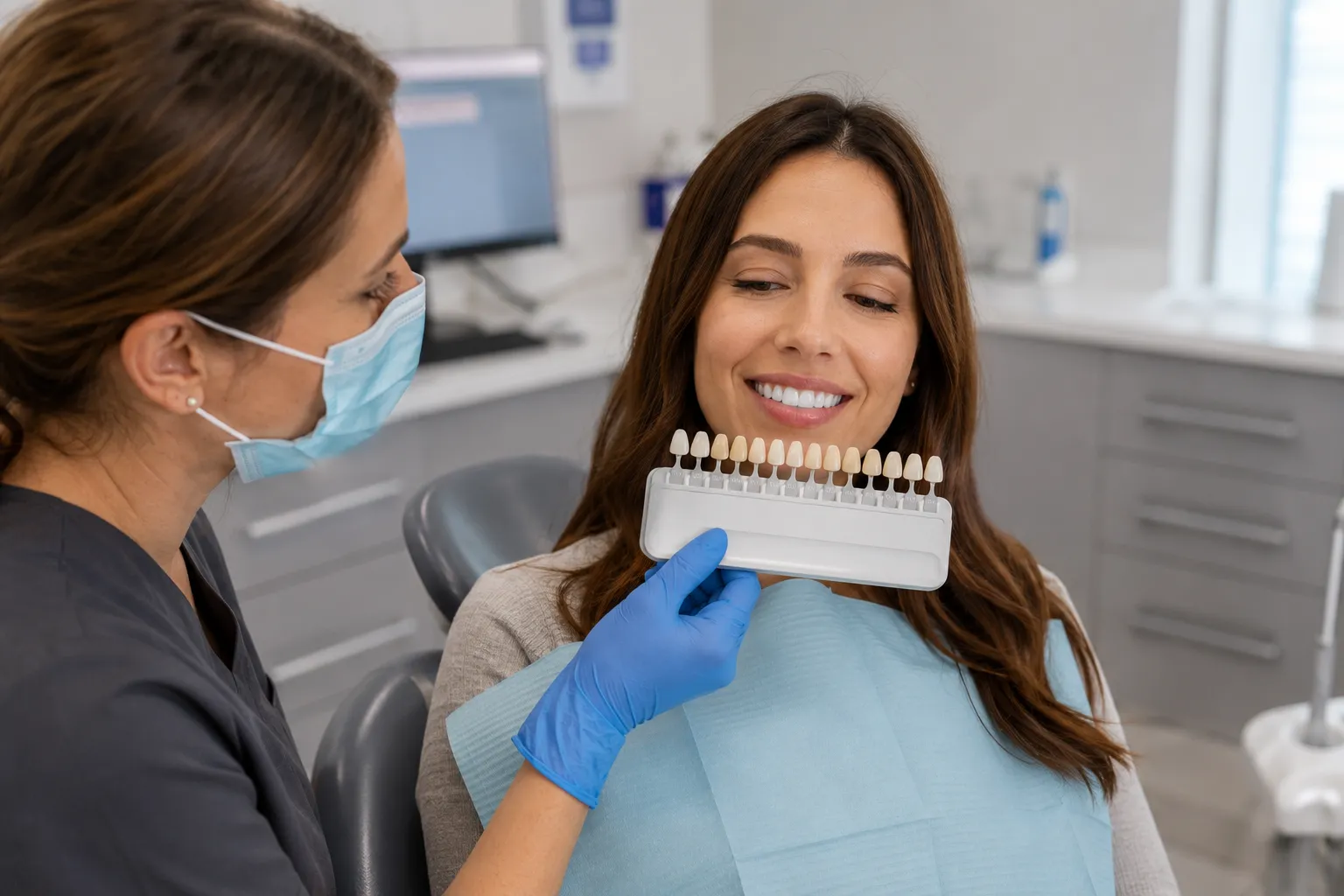
2. Shade and Shape Planning
A composite shade is chosen to blend with the surrounding teeth.
The amount of width that needs to be added to each tooth is also planned so the result remains balanced.
3. Bonding and Sculpting
The tooth surface is prepared for bonding before the composite resin is applied.
The material is carefully built up and shaped to create the new contour of the tooth.
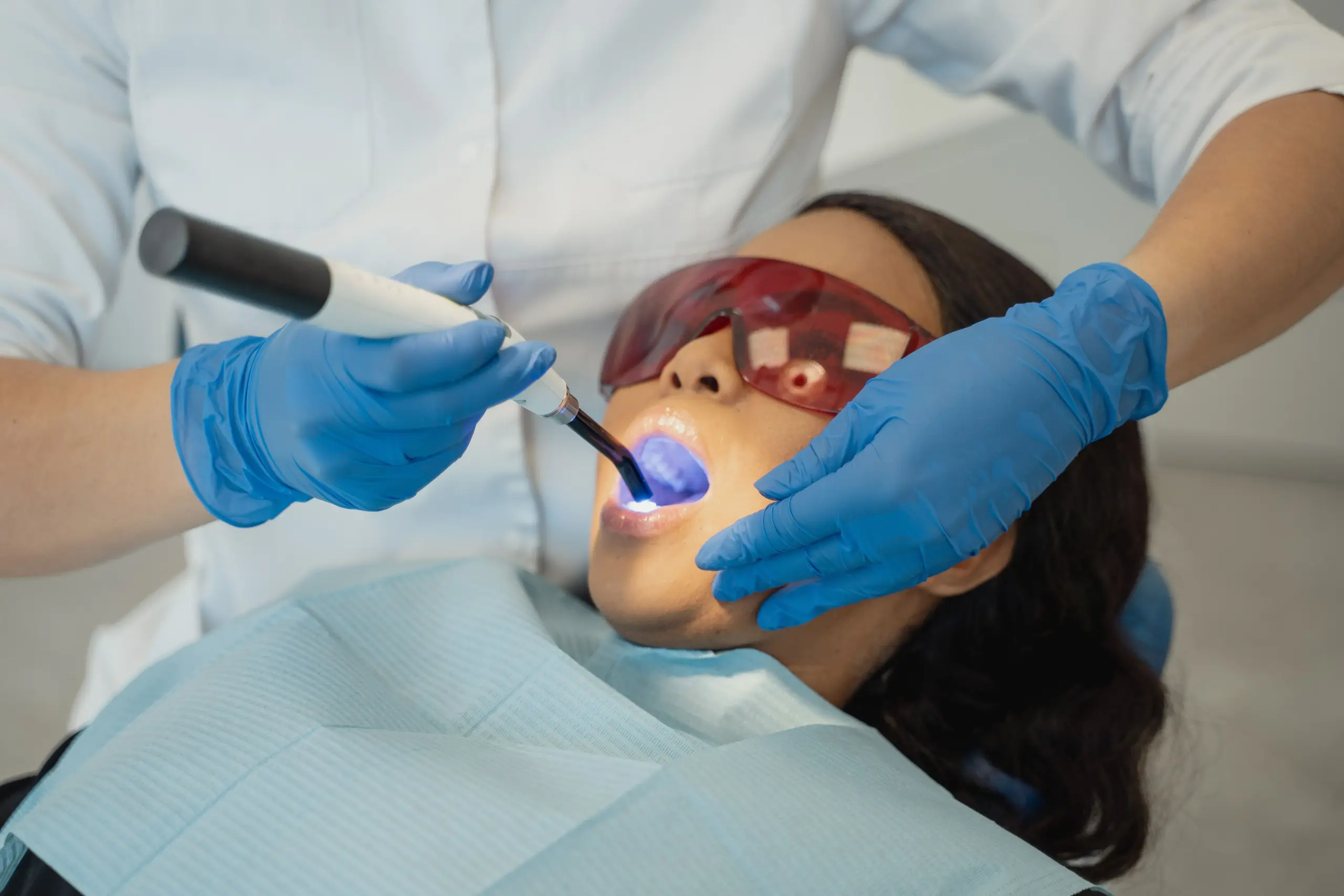
4. Curing and Finishing
A curing light is used to harden the composite before it is refined and polished.
5. Bite Check
We check how your teeth meet and make any necessary adjustments to the new contours.
Direct bonding can often be carried out with little or no removal of healthy tooth tissue, although this depends on the individual treatment plan.
What Are the Limitations of Closing a Gap With Bonding?
Composite bonding can be useful for selected cases, but it should not be viewed as a permanent, maintenance-free solution.
Composite Can Change in Appearance
Composite resin does not behave exactly like natural enamel.
Its surface or margins may develop staining or lose some of their original polish over time. Professional polishing, repair or eventual replacement may therefore be required.
Bonding Can Chip or Wear
Bonded composite can chip or wear over time.
When planning treatment, we would also consider how your teeth meet and whether habits such as clenching or grinding could place additional forces on the restoration.
Bonding Does Not Move Teeth
Composite changes the visible shape of a tooth. It does not reposition the tooth or its root.
Where the spacing is mainly caused by alignment, orthodontic treatment may therefore provide a more appropriate approach.
Oral Health Comes First
Before cosmetic gap closure is considered, the teeth and gums should be assessed to identify any oral-health or bite issues that may affect treatment.
For more detail on longer-term care, you can read our guide to how long composite bonding can last.
Bonding vs Orthodontic Treatment for Gaps
The two treatments solve different problems.
| Composite bonding | Orthodontic treatment |
| Changes tooth shape and apparent width | Moves teeth into different positions |
| May suit selected smaller spaces | Can address larger or more complex spacing |
| Does not reposition tooth roots | Changes the actual alignment of the teeth |
| Composite may require future polishing or repair | Retainers are normally needed after orthodontic treatment |
| Treatment may be relatively localised to the teeth beside the gap | Treatment may involve several or all teeth |
Neither option should be chosen simply because it appears quicker or less involved. The underlying cause of the spacing and the proportions of your teeth should guide the decision.
Could Bonding Be Suitable for Your Gap?
Suitability depends on more than whether resin can physically close the space.
A well-planned result should also maintain suitable tooth proportions, allow effective cleaning, work with your bite and avoid overlooking an underlying dental problem.
Our composite bonding treatment may be considered for cosmetic concerns including spacing between teeth. We can assess your teeth and gums, discuss the result you are hoping to achieve and explain whether bonding or another approach is more appropriate for your individual circumstances.
For selected gaps, composite bonding can provide a conservative way of changing tooth shape and reducing unwanted spacing. Careful assessment and treatment planning are the important first steps.
This article provides general information only and should not replace an individual dental assessment. A dentist will need to examine your teeth, gums and bite before advising whether composite bonding is suitable for you.