

This article is for general information only and should not replace personalised advice from a dentist or orthodontic clinician. Suitability, treatment length and expected results vary from person to person and should be confirmed after an orthodontic assessment.
Are lingual braces effective? For many people, yes. Lingual braces can be an effective option for straightening teeth, depending on your teeth, bite and treatment goals. They work in a similar way to traditional fixed braces, but the brackets and wires sit behind the teeth rather than on the front.
That is why they are often called hidden braces. They can be a good option if you want orthodontic treatment but feel less comfortable about wearing visible brackets. For adults in particular, that discreet appearance can make the idea of braces feel much more manageable.
They are not the right option for every smile, though. Suitability depends on your teeth, bite, gum health, oral hygiene and the type of movement needed. In this guide, we explain how lingual braces work, what they may help with, and what you should consider before deciding.
What Are Lingual Braces?
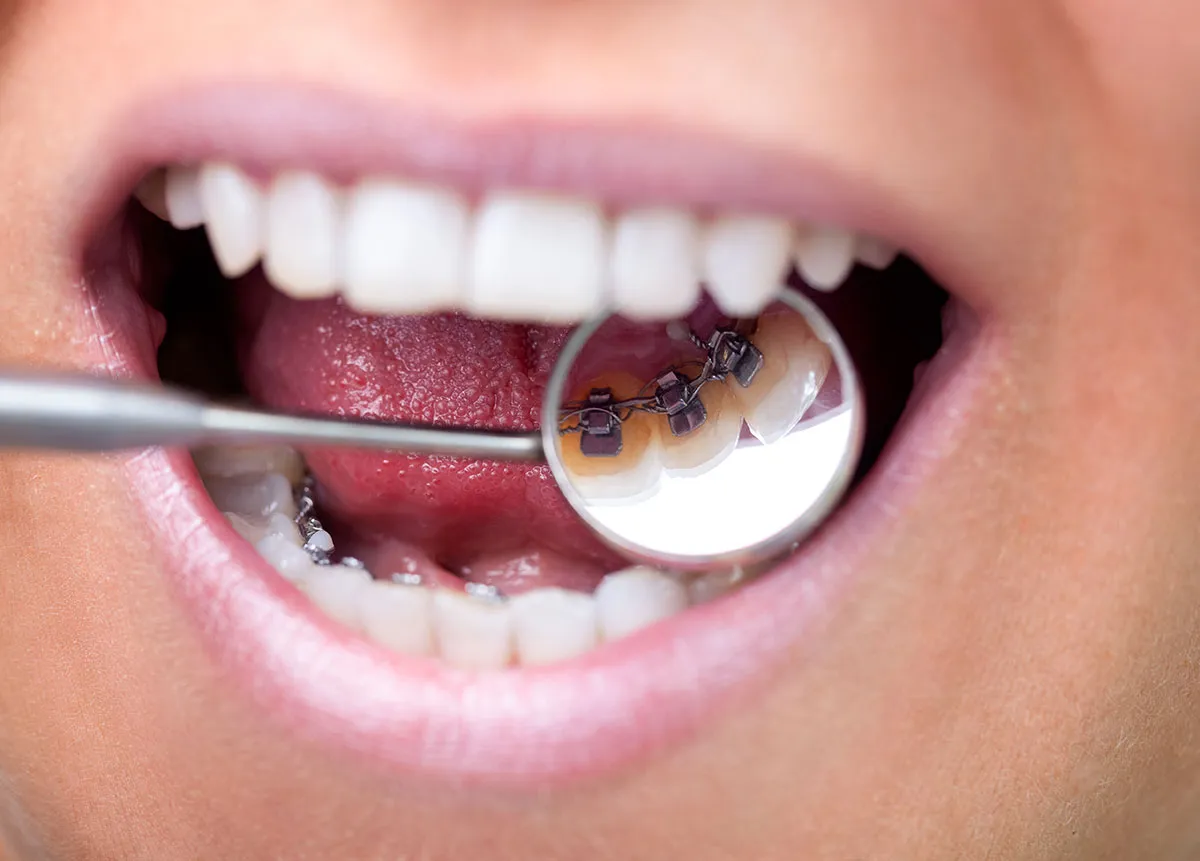
Lingual braces are fixed braces placed on the inner surface of the teeth, facing the tongue. The word “lingual” simply refers to the tongue side of the teeth.
The British Orthodontic Society’s guide to lingual braces explains that they are fixed to the back of the teeth, making them a discreet option for people who want orthodontic treatment without front-facing brackets.
Like traditional fixed braces, lingual braces use brackets and wires to apply gentle pressure. Over time, this pressure helps guide the teeth into improved positions.
The main appeal is that they are hidden when you smile. They may still be felt by your tongue, especially at first, but they are far less visible to other people.
If you are comparing different brace types, our guide to braces vs lingual braces explains how hidden braces differ from more traditional fixed options.
Are Lingual Braces Effective?
Yes, lingual braces can be effective for many orthodontic concerns when they are suitable for the patient. They may be considered for crowding, spacing, rotated teeth and some bite issues, depending on assessment findings.
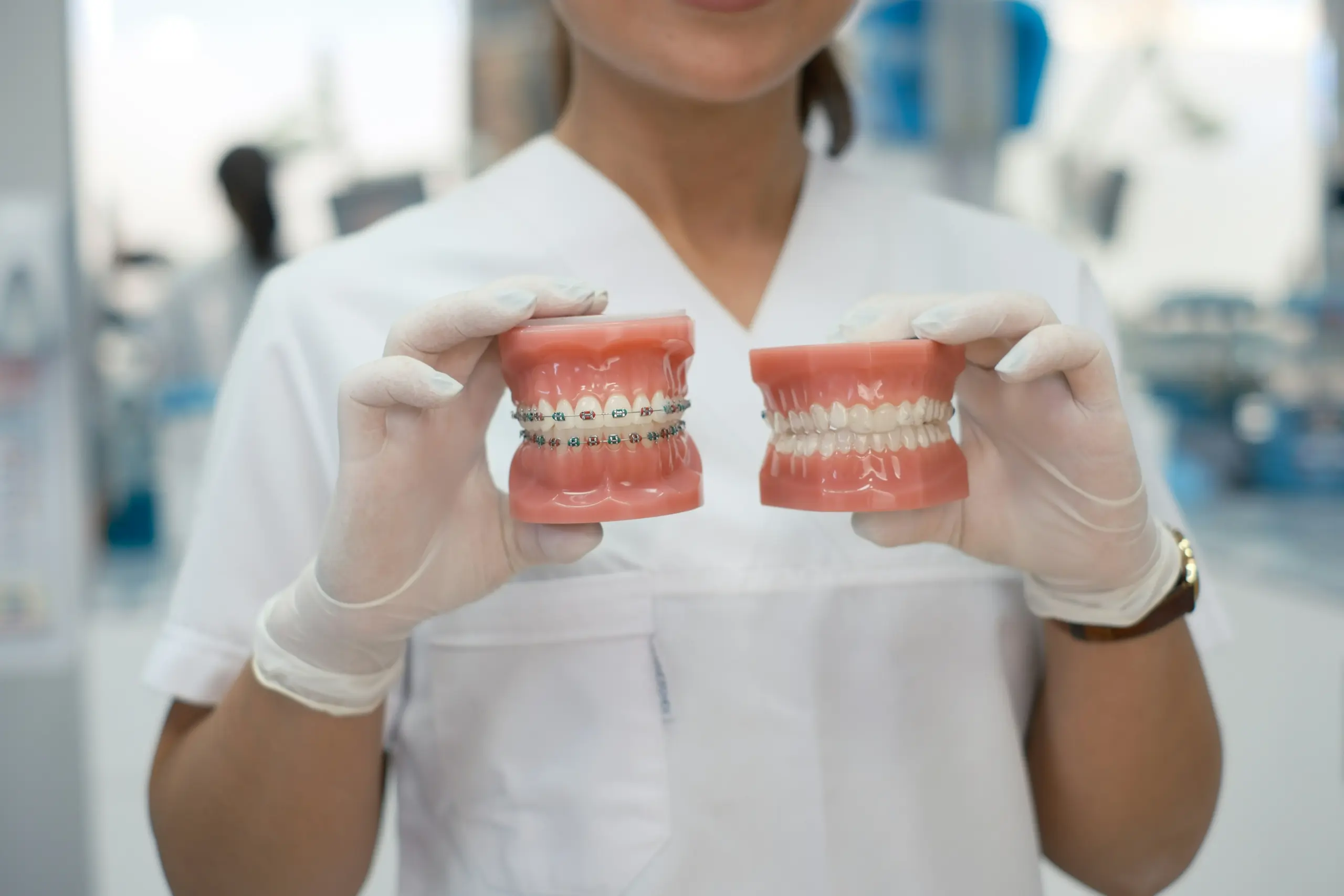
The NHS overview of orthodontic treatments explains that fixed braces are appliances that cannot be removed by the patient and are made up of brackets joined by wires. Lingual braces use the same broad principle, but the appliance sits behind the teeth.
Lingual braces may be suitable if you want:
- A discreet fixed-brace option
- A brace that is hidden from the front
- Treatment that applies force throughout the day, as planned by the clinician
- A fixed appliance approach for certain types of tooth movement
- An alternative to removable aligners
In practical terms, lingual braces can work well when they are carefully planned, properly fitted and supported by good oral hygiene.
What Can Lingual Braces Help With?
Lingual braces may be used for several common orthodontic concerns. We would still need to assess your teeth properly before confirming whether they are right for you.
They may be considered for:
- Crowded teeth
- Gaps between teeth
- Rotated or tilted teeth
- Teeth that have moved after previous braces
- Some overbite or bite alignment concerns
- Cosmetic alignment where discretion matters
They can be especially appealing if you had braces when you were younger, and your teeth have moved again. This can happen over time, particularly if retainers were not worn long-term.
If bite correction is your main concern, our article on whether lingual braces can fix an overbite may help you understand that topic in more detail.
Lingual Braces vs Other Orthodontic Options
There is no single best brace for everyone. Each option has strengths, limitations and practical differences.
| Option | Visibility | Fixed or removable? | Best suited to |
| Lingual braces | Hidden from the front | Fixed | People wanting discreet fixed braces |
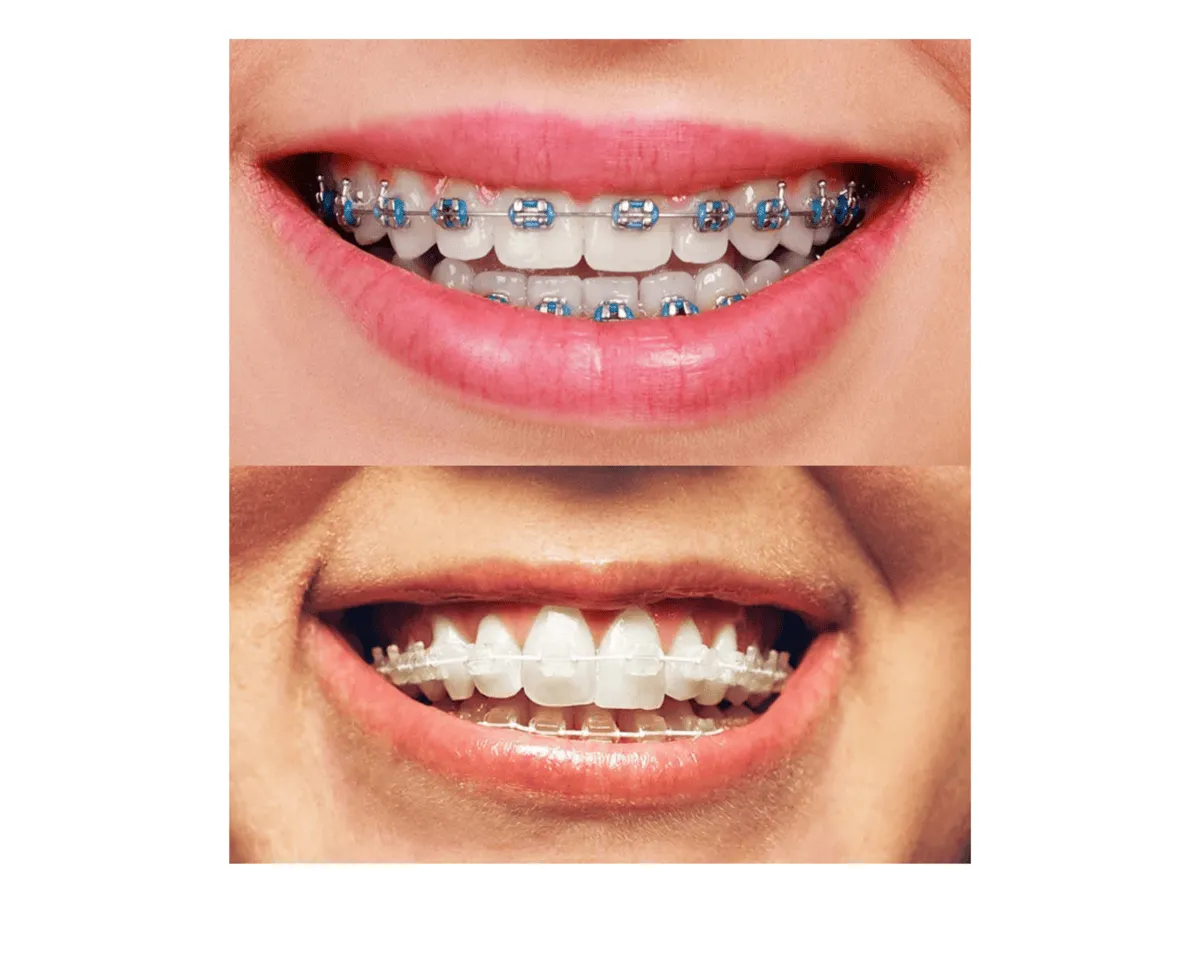
| Metal braces | Visible | Fixed | A wide range of orthodontic cases |
| Ceramic braces | Less visible than metal | Fixed | Those wanting a subtler fixed brace |
| Clear aligners | Very discreet | Removable | Suitable cases where removable treatment is appropriate |
Lingual braces sit in a helpful middle ground. They offer a fixed-brace approach while staying hidden behind the teeth.
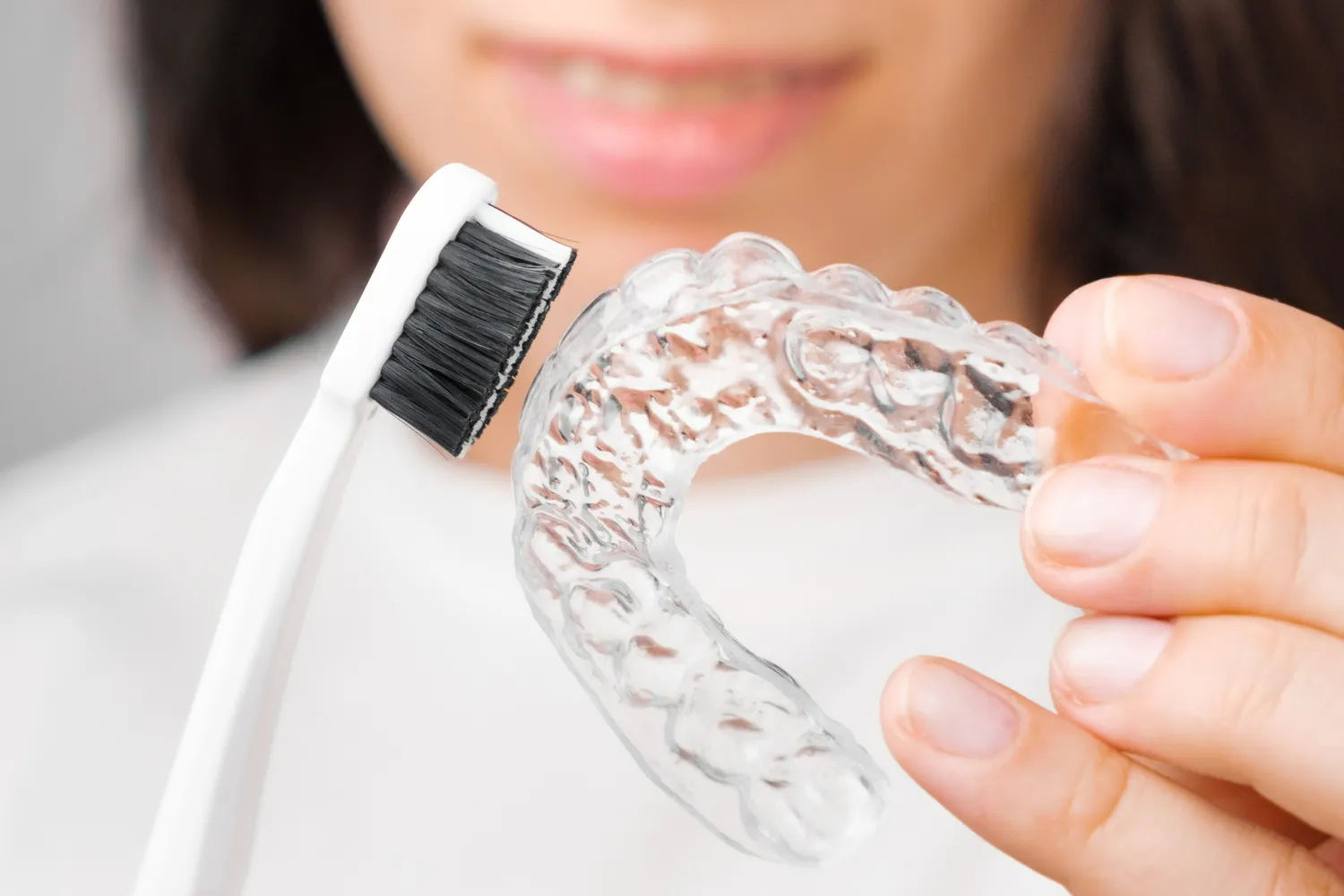
Clear aligners can also be discreet, but they need to be worn as instructed. That can work well for the right person, but not everyone wants the responsibility of removing, cleaning and replacing aligners throughout the day. Lingual braces stay in place, so they apply force throughout treatment as planned.

Are Lingual Braces Comfortable?
Lingual braces can take time to get used to. Because they sit close to the tongue, they may feel more noticeable at first than braces fitted to the front of the teeth.
Some people experience:
- Temporary tongue soreness
- Mild discomfort after fitting or adjustments
- A slight lisp while speech adapts
- More awareness of the brace when eating
- Extra care needed when cleaning
Most people adapt with time. Soft foods in the early days, dental wax where advised, and careful brushing can make the adjustment period easier.
It is worth being realistic. Lingual braces are discreet, but they still require patience, good cleaning and regular reviews.
Who Might Be Suitable for Lingual Braces?
You may be suitable for lingual braces if your teeth and gums are healthy, you want a discreet option, and your orthodontic concern can be treated from behind the teeth.
They may be worth considering if you:
- Want fixed braces without visible front brackets
- Prefer not to use removable aligners
- Can attend regular review appointments
- Are happy to clean carefully around the brace
- Want a discreet option for work or social occasions
They may not be ideal if you have active gum problems, very short teeth, certain bite patterns or treatment needs that would be better managed another way.
During an assessment, we would usually look at your bite, tooth shape, gum health, previous orthodontic history and how confident you feel with day-to-day brace care before recommending lingual braces.
Appearance is only one part of the decision. Suitability also depends on your bite, oral health and treatment goals.
Our guide on whether you qualify for lingual braces explains some of the factors that can affect suitability.
Considering Hidden Braces?
If you like the idea of straightening your teeth without a visible brace, our lingual braces treatment page explains more about this discreet orthodontic option.
We can assess your teeth, talk through what you would like to improve, and explain whether lingual braces appear suitable. If another treatment may be more appropriate, we can explain why.
A discreet brace is only useful if it is also the right clinical choice. Treatment suitability, length and outcomes vary from person to person, so we would always confirm advice after an orthodontic assessment.
How Long Do Lingual Braces Take?
Treatment time varies. It depends on the complexity of your case, how far the teeth need to move, your bite and how your teeth respond.
Simple alignment cases may be quicker than more complex bite corrections. More involved treatment usually takes longer and requires more review appointments.
We would rather give you a realistic estimate after assessing your teeth than offer a generic timeframe. Tooth movement varies between patients, so a personalised estimate is more useful than a broad guide.
For a fuller explanation, our guide on how long lingual braces take covers the main factors that can affect treatment length.
Are Lingual Braces Hard to Clean?
Lingual braces can be more fiddly to clean than front-facing braces because they sit behind the teeth. Food and plaque can collect around the brackets, so your brushing routine needs to be thorough.
The NHS notes that braces can make it easier for food to become trapped, so careful cleaning is important during orthodontic treatment.
Helpful habits include:
- Brushing carefully around each bracket
- Cleaning along the gumline
- Using interdental brushes if advised
- Avoiding very sticky or hard foods
- Keeping up with dental hygiene appointments
- Letting us know if anything feels loose or uncomfortable
Our advice on how to brush teeth with braces gives practical steps that can also help with fixed brace care.
A brace is only one part of the treatment. Healthy gums and clean teeth help keep everything moving in the right direction.
What Happens After Lingual Braces?
After lingual braces, retainers help keep your teeth in their new position. This stage is important because teeth can naturally shift over time.
The British Orthodontic Society explains that retainers help maintain tooth position after braces. Depending on your case, a retainer may be removable, fixed or a combination of both.
Retention is not something to leave until the final appointment. We will explain what to expect before treatment ends, so you know how to help protect your results.
What Should You Ask Before Starting?
Before choosing lingual braces, it helps to ask practical questions. A good consultation should make things clearer, not more confusing.
Useful questions include:
- Am I suitable for lingual braces?
- What other brace options could work for me?
- How long is treatment likely to take?
- Will hidden braces affect my speech?
- How often will I need review appointments?
- How should I clean around the brace?
- What type of retainer will I need afterwards?
- What happens if a bracket becomes loose?
These questions help you understand the everyday side of treatment, not just the cosmetic benefit.
So, Are Lingual Braces Effective?
Lingual braces can be an effective option for many people when they are suitable for the teeth, bite and treatment goals. They offer a fixed-brace approach with a discreet appearance, which is why many adults find them appealing.
They do take some getting used to, particularly around the tongue, and cleaning requires extra care. However, for the right person, they can be a sensible orthodontic option for achieving a straighter smile without visible front-facing brackets.
If you are considering hidden braces, the next step is an orthodontic assessment. We can check your teeth, discuss your goals and explain whether lingual braces, clear aligners or another option would be the most sensible route for your smile.