

Porcelain veneers can be worth it if you want a long-lasting cosmetic change and understand the commitment involved. They can alter the colour, shape and proportions of visible teeth, but they are not automatically the right choice for every chipped, discoloured, gapped or uneven tooth.
Whether porcelain veneers are worth it for you depends on your dental health, cosmetic goals, budget and willingness to accept possible enamel removal and future maintenance or replacement.
What Do Porcelain Veneers Actually Change?
A porcelain veneer is a thin ceramic covering bonded to the front surface of a tooth. The Oral Health Foundation’s guide to veneers explains that veneers may be considered for issues such as discolouration, chipped or worn teeth, small gaps and uneven tooth shape or size.
Depending on your starting point, veneers may be used to change:
- Tooth colour
- Shape and proportions
- The appearance of worn or chipped edges
- Small spaces between teeth
- Minor cosmetic irregularities
- The appearance of slightly uneven teeth
Their ability to address several cosmetic concerns at once is one reason some people consider porcelain veneers worthwhile.
However, a concern that can be treated with a veneer does not automatically mean a veneer is the most appropriate option. Sometimes a more conservative treatment may achieve the result you want.
What Makes Porcelain Veneers Worth Considering?
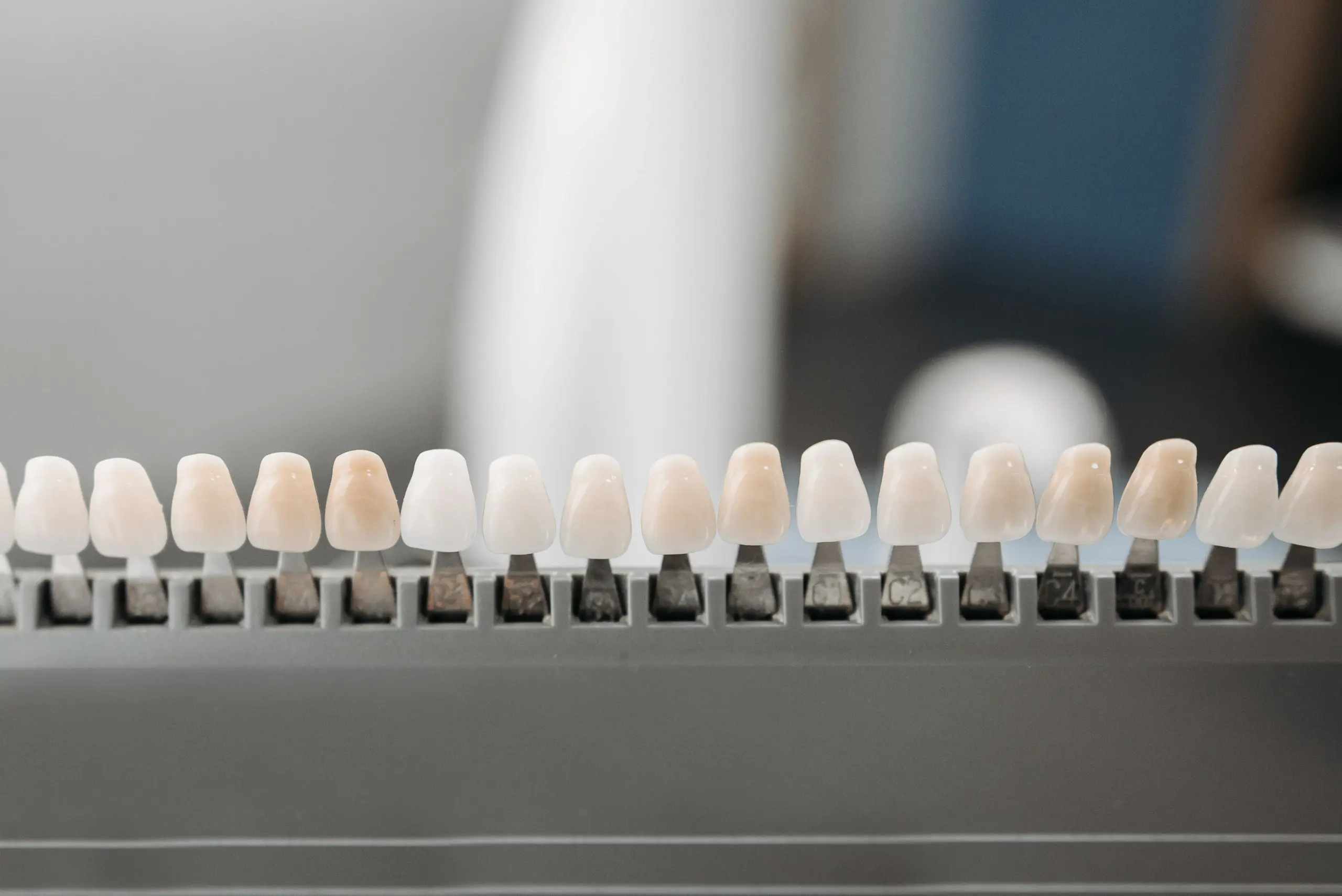
Whether veneers are worth the investment depends largely on what you want to change and whether they are an appropriate way to achieve it.
| Factor | Potential benefit | What to consider |
| Appearance | Can change several aspects of a tooth at once | Shade, shape and proportions need careful planning |
| Durability | Ceramic veneers can remain functional for many years | They are not expected to last indefinitely |
| Colour stability | Ceramic materials generally show good colour stability | Veneers and the surrounding natural teeth can still change in appearance over time |
| Treatment scope | May address colour, shape, chips and small gaps | Some concerns may have a more conservative alternative |
| Maintenance | Normal brushing, interdental cleaning and dental care remain important | Repair or replacement may still be needed later |
For somebody who wants several cosmetic changes and understands the long-term commitment, these advantages may make porcelain an appropriate option.
For somebody looking to correct one small defect, a less invasive treatment may be worth considering first.
The Irreversible Part Matters
One of the most important considerations is tooth preparation.
For many conventional porcelain veneers, a small amount of enamel is removed to create space for the restoration. The exact amount depends on the tooth, veneer design and individual treatment plan.
Enamel does not grow back. If enamel needs to be removed, the decision therefore has long-term implications.
Our guide to the porcelain veneers process explains the assessment, planning, preparation, fitting and aftercare stages in more detail.
A good consultation should therefore cover much more than how the final veneers may look. The General Dental Council’s guidance on obtaining valid consent states that patients should receive information about relevant treatment options, risks, potential benefits, prognosis and costs before treatment.
You should understand what is proposed for your natural teeth and what alternatives may be available before deciding.
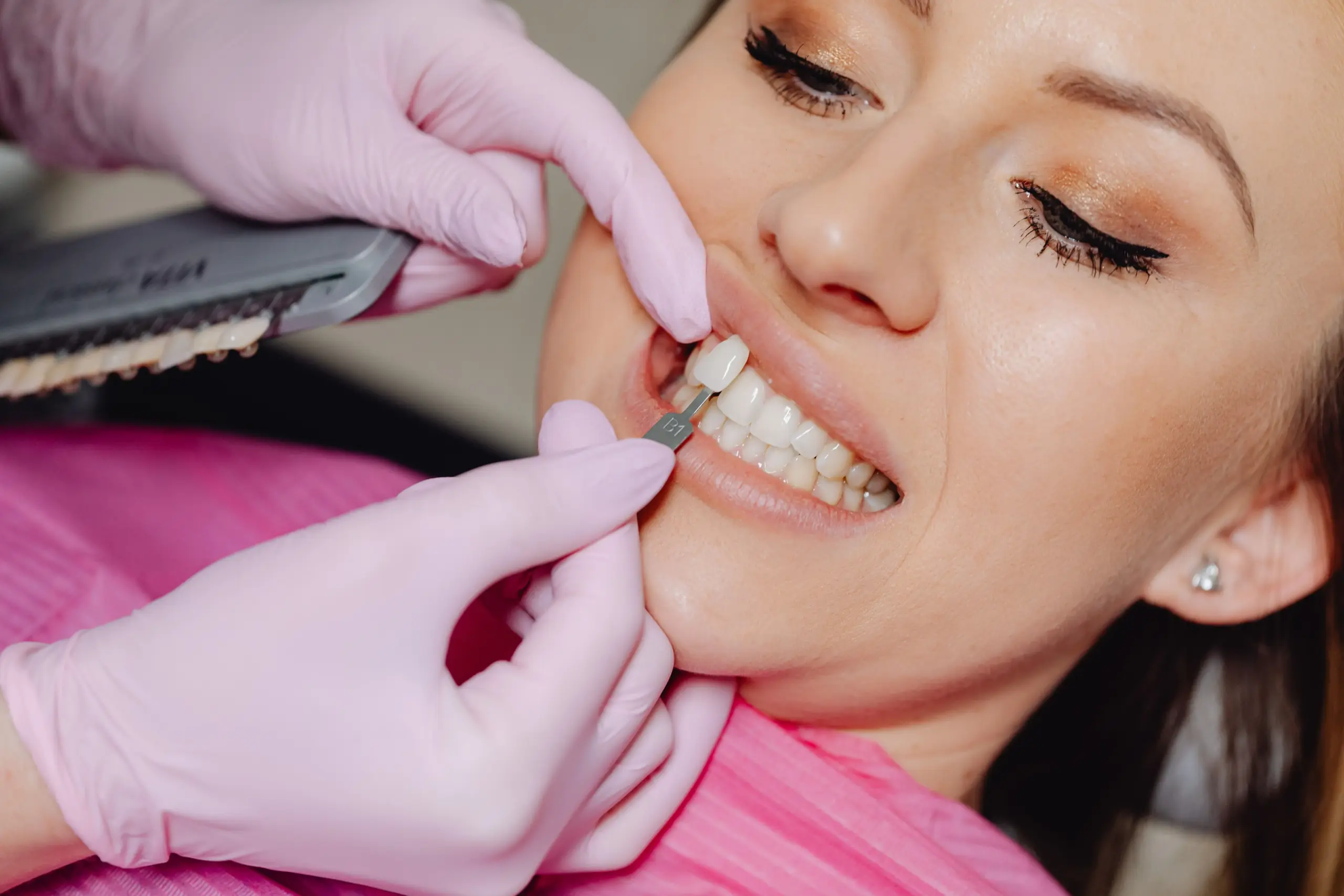
How Long Do Porcelain Veneers Last?
Longevity is an important part of deciding whether the cost feels worthwhile.
Porcelain veneers can remain in place for many years, but no responsible estimate can guarantee exactly how long an individual veneer will last.
A systematic review and meta-analysis of ceramic laminate veneers covering 29 studies found pooled survival rates of roughly 94% to 97% for several established ceramic materials at an average follow-up of 10.4 years.
Those figures need context. Survival does not mean every veneer remained completely free from complications, and the outcome for an individual patient can depend on several factors.
These may include:
- Your bite
- Clenching or grinding
- Oral hygiene
- The amount and quality of remaining enamel
- Veneer material and design
- Bonding and preparation
- Accidental damage
- Habits such as biting hard objects
Clenching or grinding can influence veneer treatment planning and may affect the risk of complications, so your dentist should assess this before treatment.
We discuss durability and maintenance in more detail in our guide to how long porcelain veneers last.
What matters is that the initial fee may not be the only cost over the lifetime of the treatment. A veneer that chips, loosens or reaches the end of its useful life may need repair or replacement.
Are Porcelain Veneers Worth the Cost?
There is no universal answer because value is personal.
Porcelain veneers can involve a greater upfront investment than some direct composite treatments, although costs depend on the treatment required and the number of teeth involved.
Rather than looking only at the initial price, consider the wider commitment.
- What are you trying to change?
If several aspects of a tooth concern you, porcelain may address more than one cosmetic issue within the same treatment plan. - How many teeth genuinely need treatment?
More veneers do not automatically mean a better result. Treatment should be based on what is clinically appropriate. - Are you comfortable with tooth preparation?
This may be a deciding factor if you would prefer to preserve as much untouched enamel as possible. - Have you considered future repair or replacement?
Veneers can last for many years, but they should not be viewed as a one-off treatment that will necessarily remain unchanged for life. - Would another treatment achieve your goal?
A lower-cost or more conservative option may sometimes be appropriate.
These questions usually tell you more about value than comparing prices alone.
Porcelain Veneers or a More Conservative Alternative?
One of the most useful parts of a veneer consultation is understanding what else could address your concern.
| Your main concern | An alternative that may be discussed |
| Tooth discolouration | Professional teeth whitening, depending on the cause |
| Small chips or changes in shape | Composite bonding |
| Small gaps | Composite bonding or orthodontic treatment, depending on the case |
| Crooked or crowded teeth | Orthodontic treatment |
| Several cosmetic concerns | Veneers or a combination of treatments |
| A heavily damaged or weakened tooth | A different restorative treatment may be more appropriate after assessment |
These treatments are not interchangeable.
Whitening, for example, changes colour but does not reshape a tooth. Orthodontic treatment moves teeth rather than covering their front surfaces. Composite bonding can change shape and close some small gaps, but it uses a different material and has different maintenance considerations.
A price or before-and-after photograph cannot tell you whether veneers are suitable for your teeth.
Who Might Find Porcelain Veneers Worthwhile?
Porcelain veneers may be worth discussing if:
- Your teeth and gums are healthy enough for cosmetic treatment
- You want to change more than one aspect of your smile
- You understand that some tooth preparation may be irreversible
- You are comfortable with the possibility of future repair or replacement
- You are prepared to maintain good oral hygiene and regular dental care
- Your expectations can realistically be achieved with veneers
Issues such as tooth decay, gum disease, significant enamel loss, bite concerns or teeth grinding may affect whether veneers are appropriate or whether another problem should be addressed first.
Your dentist can assess these factors as part of treatment planning.
Questions to Ask Before Saying Yes to Veneers
If you are considering porcelain veneers, useful questions for your consultation include:
- What exactly are the veneers intended to improve?
- Are my teeth and gums healthy enough for treatment?
- How much enamel may need to be removed?
- Is there a more conservative way to achieve a similar result?
- How many teeth actually need treatment?
- What are the main risks in my particular case?
- Could my bite or teeth grinding affect the treatment?
- What maintenance or replacement costs might arise later?
Clear answers to these questions can make the decision easier than focusing only on the final appearance.
Deciding Whether Porcelain Veneers Are Right for You
So, are porcelain veneers worth it? When veneers are clinically suitable and match your goals, they can provide a durable way to change tooth colour, shape, proportions and other cosmetic concerns.
For someone whose goal could be achieved with whitening, bonding or orthodontic treatment, however, a different approach may make more sense.
The key point is that veneers are a long-term dental decision rather than simply a cosmetic purchase. The value depends on what you want to achieve, how much preparation is required and whether you are comfortable with the ongoing commitment.
At Birchgrove Dental, we offer porcelain and composite veneers and assess your teeth before recommending treatment. If you would like to understand the differences, possible alternatives and what preparation could involve for your teeth, explore our porcelain and composite veneer treatment and arrange a consultation with our team.
This article provides general information and does not replace advice from your dentist. Whether veneers are suitable, how much tooth preparation may be needed, and the relevant risks and alternatives depend on your individual dental health.